
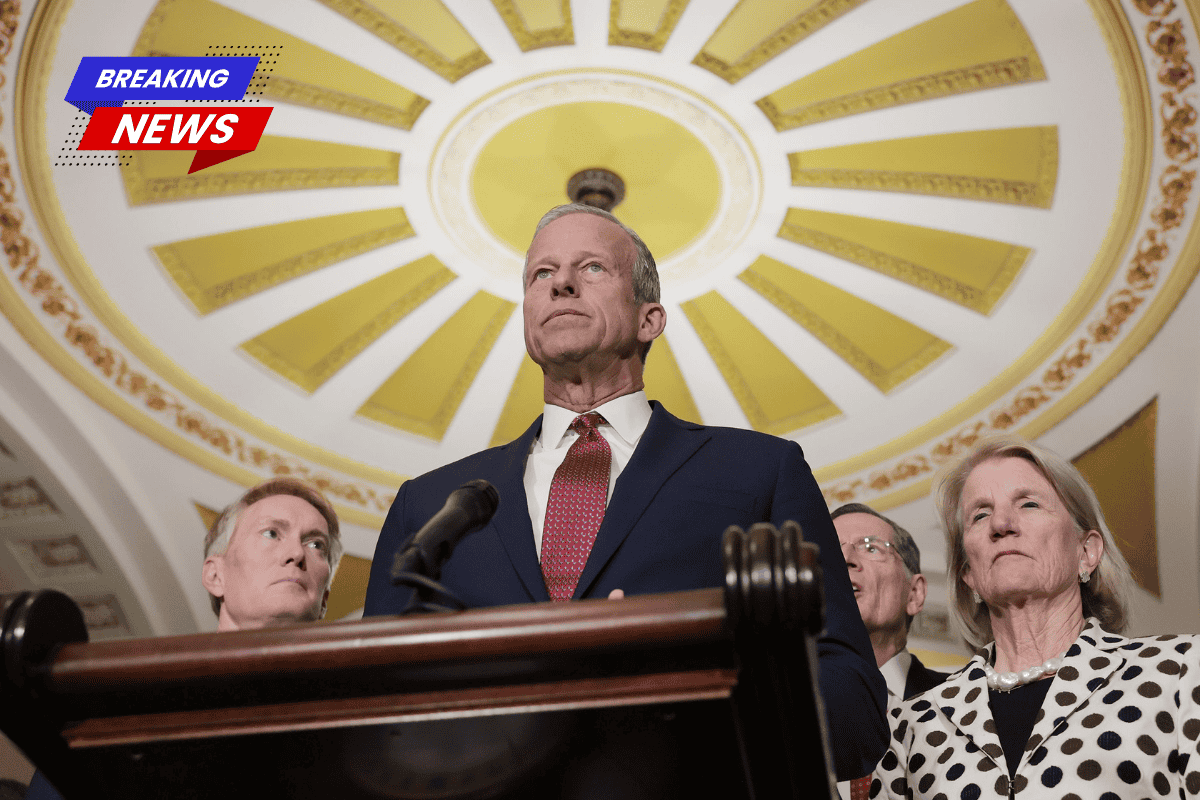
On April 1, Republican leaders in Congress announced they were close to ending the Department of Homeland Security (DHS) shutdown, which had already reached a historic length. However, three weeks later, the situation has only worsened, and there is still no clear resolution in sight.
GOP’s Push for Immigration Funding Hits Obstacles
Rank-and-file Republicans in Congress have been demanding that any deal to fund the DHS include increased funding for immigration enforcement, alongside legislation to fund the rest of the department.
However, negotiations have been slow, complicated by a lack of urgency on Capitol Hill. After President Donald Trump rerouted federal dollars to temporarily pay DHS employees, the urgency seemed to diminish. But now, Markwayne Mullin, the newly appointed DHS Secretary, is warning that the money will soon run out.
Looming Crisis for TSA Agents
In an interview on Fox and Friends, Mullin emphasized that by the first week of May, Congress must act to prevent further disruption.
Tens of thousands of Transportation Security Administration (TSA) agents risk going without pay once again if the funding issue is not resolved. Mullin stated, “I’ve got one payroll left, and there (are) no more emergency funds,” warning that without action, federal workers will be left in financial limbo once again.
Senate Republicans Move to Advance Immigration Funding
In response to mounting pressure from the House GOP, Senate Republicans began pushing a budget blueprint on April 23 that recommends allocating around $70 billion over the next three years for Immigration and Customs Enforcement (ICE) and Border Patrol.
This move, while designed to satisfy Republican demands, also brought about a series of tough votes, as Democrats forced Republicans to vote on measures to address rising everyday costs for Americans, including gas, healthcare, and grocery prices.
Senate Minority Leader Chuck Schumer (D-New York) took the opportunity to highlight these contrasts, suggesting that voters will remember which party voted against affordability measures ahead of the November midterm elections. He said, “Senate Democrats will make these contrasts increasingly clear,” emphasizing how these votes could have significant electoral implications.
Ongoing DHS Struggles
The longest Homeland Security shutdown in U.S. history—breaking the previous record set the year before—has left many departments within the agency struggling. Though President Trump signed executive orders to reroute funds to pay DHS employees temporarily, the agency remains in crisis mode.
At FEMA (Federal Emergency Management Agency), training programs for firefighters have been delayed due to insufficient operational funding.
The National Flood Insurance Program is also operating under significant constraints, and even amidst growing international tensions, more than half of the staff at the Cybersecurity and Infrastructure Security Agency (CISA)—which protects the country from cyber threats—remain on furlough.
The Road Ahead
With Congress facing a tight deadline, the question remains: will they reach an agreement on funding before the first week of May? Without a resolution, it’s unclear whether lawmakers can avoid another federal payroll crisis, especially as the 2024 election cycle nears and the public watches closely.






