A heated debate has emerged in Washington as U.S. officials discuss the rising cost of military action and a proposed record-breaking defence budget. Lawmakers from both parties are questioning spending priorities, especially as economic concerns continue to affect everyday Americans.
Budget Debate in Washington
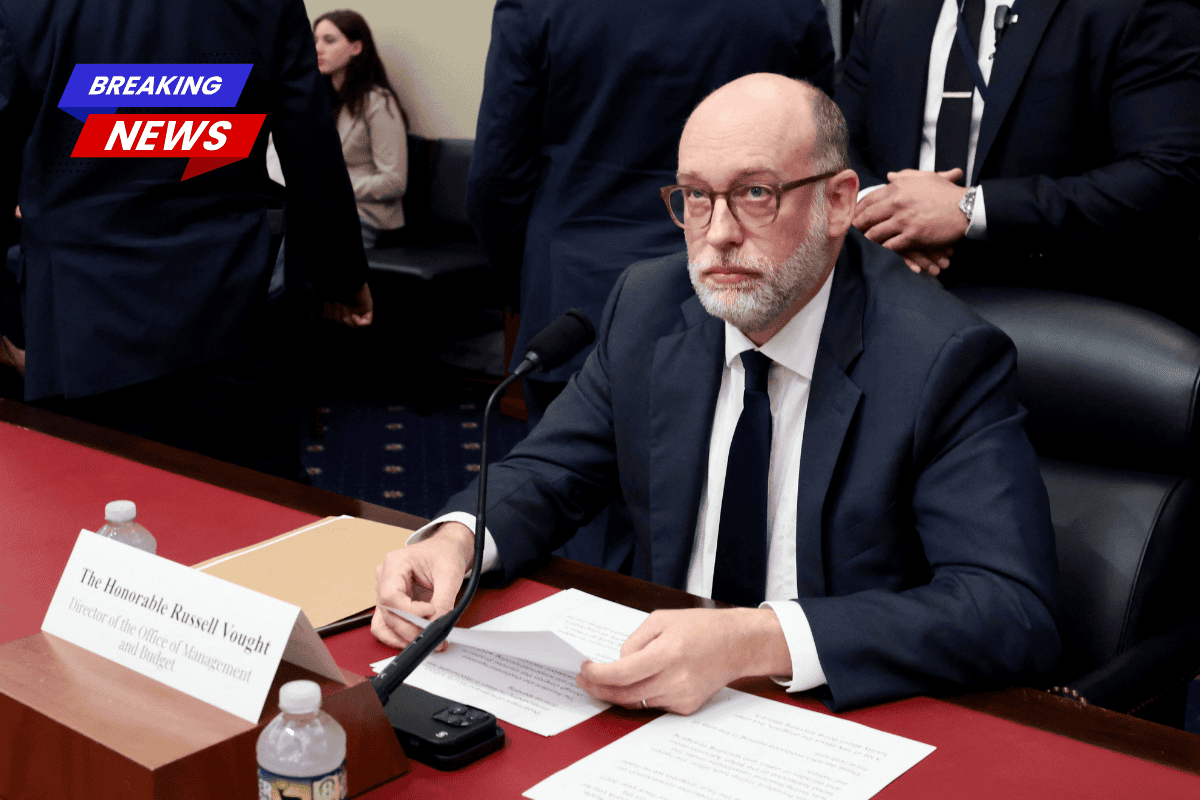
Russell Vought told lawmakers that he could not estimate the total cost of the ongoing conflict involving Iran. He made the statement while defending a massive $1.5 trillion military budget proposal put forward by Donald Trump.
Vought admitted that officials are still calculating the financial requirements of the war and do not yet have a clear figure.
Concerns Over War Spending
The conflict, which began earlier this year, has already raised serious questions in Congress. A previous request for $200 billion in additional funding faced strong opposition from lawmakers.
Many members of Congress are worried about how much the war could ultimately cost and whether the government is prepared to handle the financial burden.
Sharp Criticism From Lawmakers
Both Democrats and Republicans raised concerns during the hearing. Pramila Jayapal criticised the proposal, pointing out that the Department of Defense has never successfully passed a full audit.
She questioned why such a large budget increase is being requested without addressing financial transparency.
On the Republican side, Glenn Grothman also expressed frustration. He said the Pentagon should complete an audit before receiving more funding, calling the situation unacceptable.
Debate Over Spending Cuts
Vought defended the administration’s broader budget plan, which includes a significant increase in defence spending and cuts to non-defence programmes like healthcare, education, and energy assistance.
He argued that these changes are necessary to reduce overall government spending and improve efficiency.
Disagreement Over Social Program Cuts
Democrats strongly opposed the proposed cuts. Brendan Boyle highlighted concerns that millions of people could lose access to healthcare under the plan.
Vought responded by claiming that many affected individuals are not eligible for benefits, a statement that drew sharp reactions from lawmakers.
Questions Over Government Accountability
Another major issue raised during the hearing was the role of oversight agencies. When questioned about findings from the Government Accountability Office, Vought dismissed their reports, calling them unreliable.
This further increased tension during the discussion, as lawmakers stressed the importance of independent checks on government spending.
Political Challenges Ahead
The proposed budget still needs approval from Congress, where it faces strong opposition. Democrats have already said they will not support it in its current form.
With midterm elections approaching, the debate over military spending, domestic programmes, and economic priorities is expected to become even more intense.