Violence erupted in Pakistan on Sunday during large anti-U.S. protests, leaving at least 22 people dead. The demonstrations followed U.S. and Israeli airstrikes on Iran that reportedly killed around 200 people, including Iran’s Supreme Leader. The situation has triggered unrest not only in Pakistan but across parts of the Middle East and South Asia.
22 Killed During Protests in Pakistan
According to reports from The New York Times, at least 22 people died during protests in different parts of Pakistan.
In Karachi, 10 people were killed while trying to storm the U.S. Consulate. Two more people were killed in Islamabad, and another 10 lost their lives in Gilgit-Baltistan during demonstrations.
Protesters gathered to express anger over the U.S.-Israeli military operation in Iran. One student protester in Karachi reportedly said that when Iran is attacked, many feel their faith and identity are also under threat.
Here is a quick breakdown:
| City | Reported Deaths |
|---|---|
| Karachi | 10 |
| Islamabad | 2 |
| Gilgit-Baltistan | 10 |
| Total | 22 |
Airstrikes on Iran Spark Regional Unrest
The protests were triggered after U.S. and Israeli forces carried out airstrikes in Iran on Saturday. The strikes reportedly killed around 200 people, including Ali Khamenei.
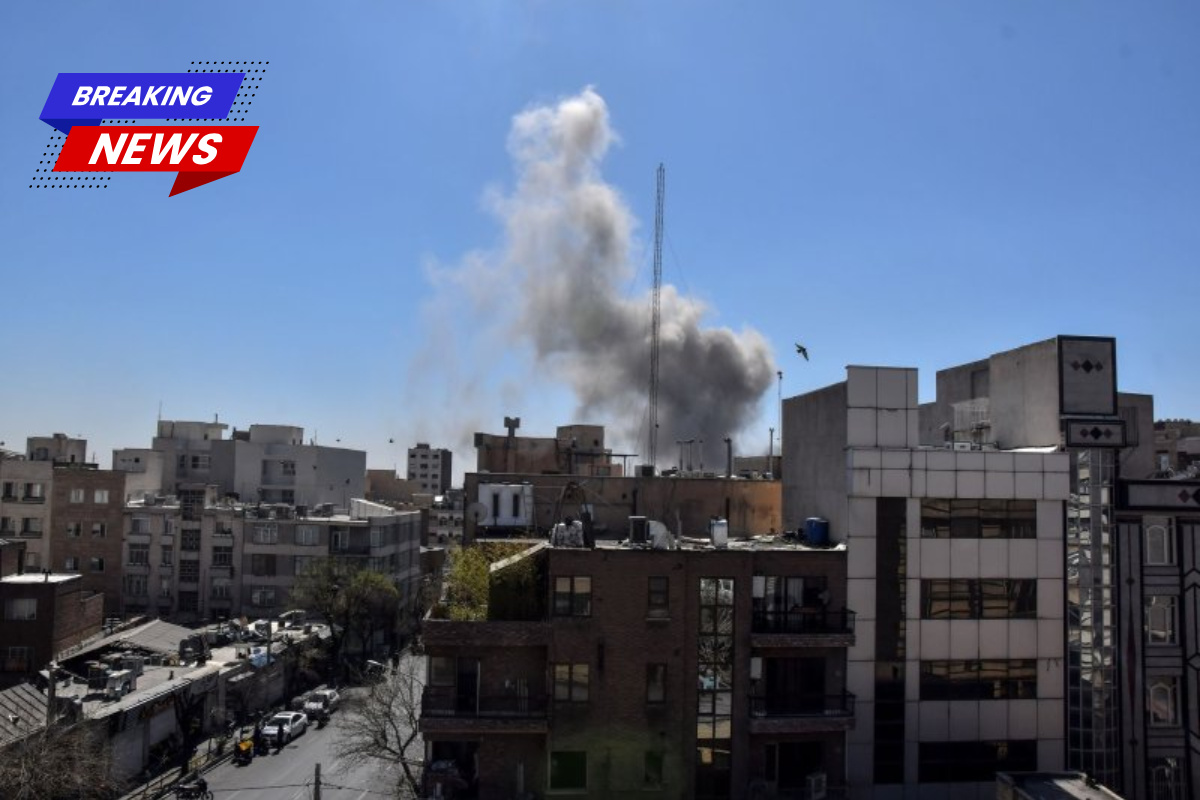
Plumes of smoke were seen rising above Tehran following explosions in the city. The attack has led to growing anger and demonstrations in several countries.
In addition to Pakistan, protests have also been reported in Iraq and parts of India.
Calls for Calm in Kashmir
In Jammu and Kashmir, officials have urged authorities to allow people to mourn peacefully. According to NDTV, Chief Minister Omar Abdullah asked police and administrators to exercise restraint and avoid the use of force.
Leaders in the region are concerned that strict action against protesters could worsen tensions.
Wider Impact Across the Region
Barron’s reported that protests against the United States are expected in North Africa, South Asia, and across the Middle East.
The airstrikes came after indirect negotiations between the United States and Iran regarding nuclear weapons. Iranian officials had indicated that further talks were planned before the strikes took place.
Former U.S. President Donald Trump had earlier increased military presence in the region and warned of possible escalation if no agreement was reached.
Rising Global Tensions
The events of the weekend have significantly increased tensions across the Middle East and beyond. The killing of a major political leader and hundreds of others has created anger and instability in several countries. Governments are now watching closely as protests spread and security forces respond.
As the situation continues to develop, many fear further violence or retaliation. Diplomatic efforts may be needed to prevent the conflict from expanding further. For now, the region remains tense, with communities mourning losses and leaders urging restraint to avoid deeper unrest.
Tags: Pakistan anti-US protests, Karachi U.S. Consulate attack, Ali Khamenei death, Iran airstrikes 2026, Middle East unrest, Islamabad protest deaths, Gilgit-Baltistan violence, US Israel Iran conflict