President Donald Trump is known for a distinctive dance that has become part of his public persona. This dance, often performed at rallies and events, features jerking arm movements and clenched fists, typically set to the Village People’s “YMCA.”
Signature Dance Move
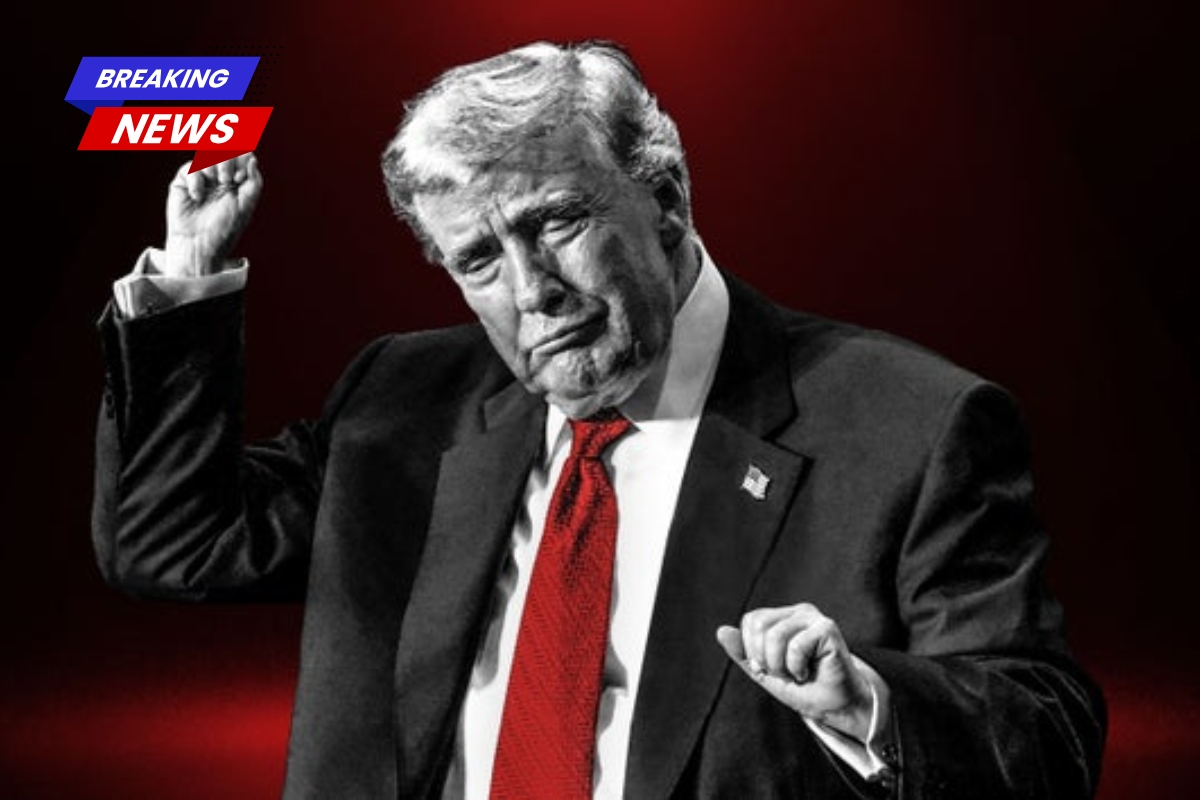
Trump’s dance is highly repetitive and consistent, making it a recognizable part of his brand. Experts say the movements reflect his speech patterns—simple, repetitive, and deliberate. He usually performs it wearing his signature blue suit, white shirt, and red tie.
The Role of Clenched Fists
A key feature of the dance is his tightly clenched fists. Body language experts note that fists signal dominance and aggression. The gestures can create tension in viewers and metaphorically suggest a fight or display of power. Unlike traditional dancing, which conveys joy and openness, Trump’s fist movements emphasize control and authority.
Crowd Signaling
Trump’s dance is also a form of “crowd signaling.” Behavioral experts explain that leaders often use repetitive gestures to encourage followers to mirror their actions. In Trump’s case, the simple arm movements and fists are easy for supporters to imitate, reinforcing group participation and alignment with his gestures.
Limited Foot Movement
Unlike typical stage dancing, Trump’s feet remain mostly stationary. Experts note that feet usually reveal genuine interest and engagement, but Trump’s lack of movement suggests the dance is more about signaling to the audience than expressing personal enjoyment or energy.
Facial Expressions
Trump’s facial expressions while dancing are also noteworthy. He often frowns or grimaces, holding his lips tightly. Occasionally, he smirks, possibly as a way to appear “cool.” Squinting and lowered brows may signal dominance or victory. Experts say the expressions, combined with the repetitive gestures, give the dance an effortful, controlled quality rather than a joyful one.
Understanding Through Participation
Experts recommend trying the dance yourself to feel its emotional impact. Performing the movements can reveal the tension and effort involved, helping observers understand the non-verbal cues. While no single dance explains his entire personality, repeated patterns offer insight into how he communicates control, dominance, and group influence.