
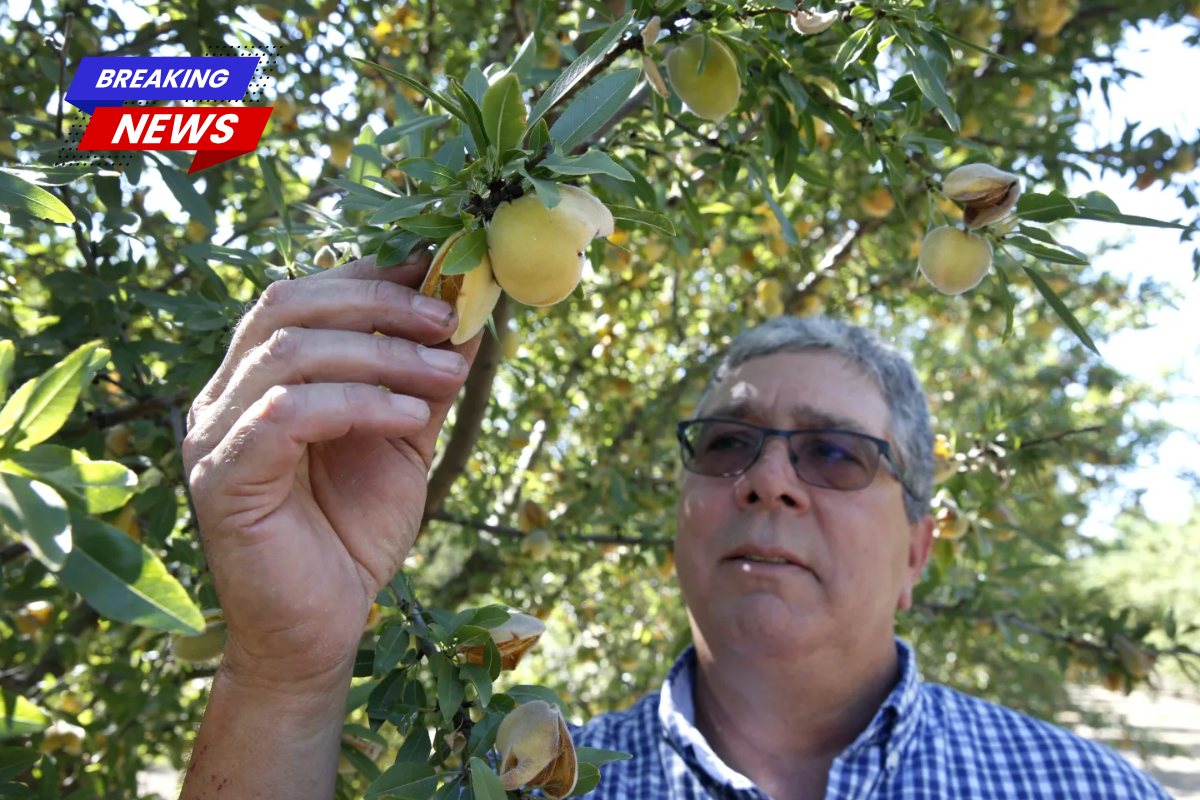
California’s peach farmers are facing a devastating blow after Del Monte Foods closed its canneries earlier this year, leaving farmers with a surplus of clingstone peaches and no buyers.
The shutdown of the Modesto plant, which processed between 30% and 35% of California’s cling peaches, has led to a crisis for farmers who now have to consider uprooting approximately 3,000 acres or about 420,000 trees. With little choice but to pivot, many are considering switching to more profitable crops, while the U.S. Department of Agriculture (USDA) has stepped in with federal aid.
The Impact of Del Monte’s Closure
The closure of Del Monte’s Modesto and Hughson canneries has left farmers in a dire situation. These plants were crucial for processing California’s peaches, and now the farmers are left with an oversupply of fruit that can no longer be sold. For many, this means losing their contracts with one of the largest food production companies in the world.
The decision to destroy the trees is financially devastating for growers, who have invested in peach trees that can take up to 20 years to mature. The loss of these contracts, worth more than $550 million, is a major blow to the state’s agricultural industry, which already faces multiple challenges, including rising operational costs, climate change, and trade tensions.
Federal Aid to Help Farmers Transition
In response to the crisis, $9 million in federal aid has been allocated to assist farmers in transitioning to other crops. This funding was approved by the USDA following a request from California lawmakers, including Senator Adam Schiff, who advocated for the funds after more than 40 lawmakers sent a letter to Agriculture Secretary Brooke Rollins.
The funds are intended to help farmers remove the peach trees and switch to more profitable crops, reducing potential losses from the peach glut.
California Farm Bureau President Shannon Douglass expressed optimism, stating, “This funding offers a glimmer of hope after a devastating period, ensuring California farmers can transition to new crops and stay on their land.”
A Long-Standing Problem for Farmers
Del Monte, a nearly 140-year-old company based in California, had been facing financial struggles for years. The company filed for bankruptcy in July 2025, partly due to a shift in consumer preferences away from canned fruits and vegetables, as well as increasing operational costs. These factors, coupled with tariffs on imported steel used for cans, made it difficult for Del Monte to remain competitive.
The peach farmers who supplied Del Monte for many years now find themselves in a difficult position. Tony McGrath of Yuba County, who grows peaches under contract with Del Monte, told the Sacramento Bee that switching to other crops is easier said than done. The McGraths also grow almonds and prunes, but both of these crops come with their own challenges, such as fluctuating prices and high upfront costs.
“There’s really nothing that you can move into,” said Tony McGrath. “Walnut prices aren’t that great. You can do prunes, but it takes you seven to eight years to develop it and start getting money back from it. Almonds, there’s quite a few of them also, and it’s very expensive to start an almond orchard.”
Wider Agricultural Challenges
California farmers are not just dealing with the loss of a key buyer. They are also contending with broader challenges that affect the agriculture industry across the country. The Iran war has complicated the supply of fertilizers, while water overuse and persistent droughts, exacerbated by climate change, have drastically reduced crop yields.
The ongoing trade issues, including tariffs, have also priced some American growers out of global markets, making it harder for them to compete internationally.
The Road Ahead
While the $9 million in aid offers some relief, the road to recovery for California’s peach farmers is far from easy. The funds will help in the short term, but the farmers must still navigate the tough realities of transitioning to other crops, all while managing the long-term impacts of climate change, financial instability, and changing consumer demand.
As farmers look ahead, they are left to wrestle with the ongoing challenges of adapting to a rapidly changing agricultural landscape. The closure of Del Monte’s plants has left a void, and it remains to be seen if the industry can recover fully from the combined economic and environmental pressures facing them.






