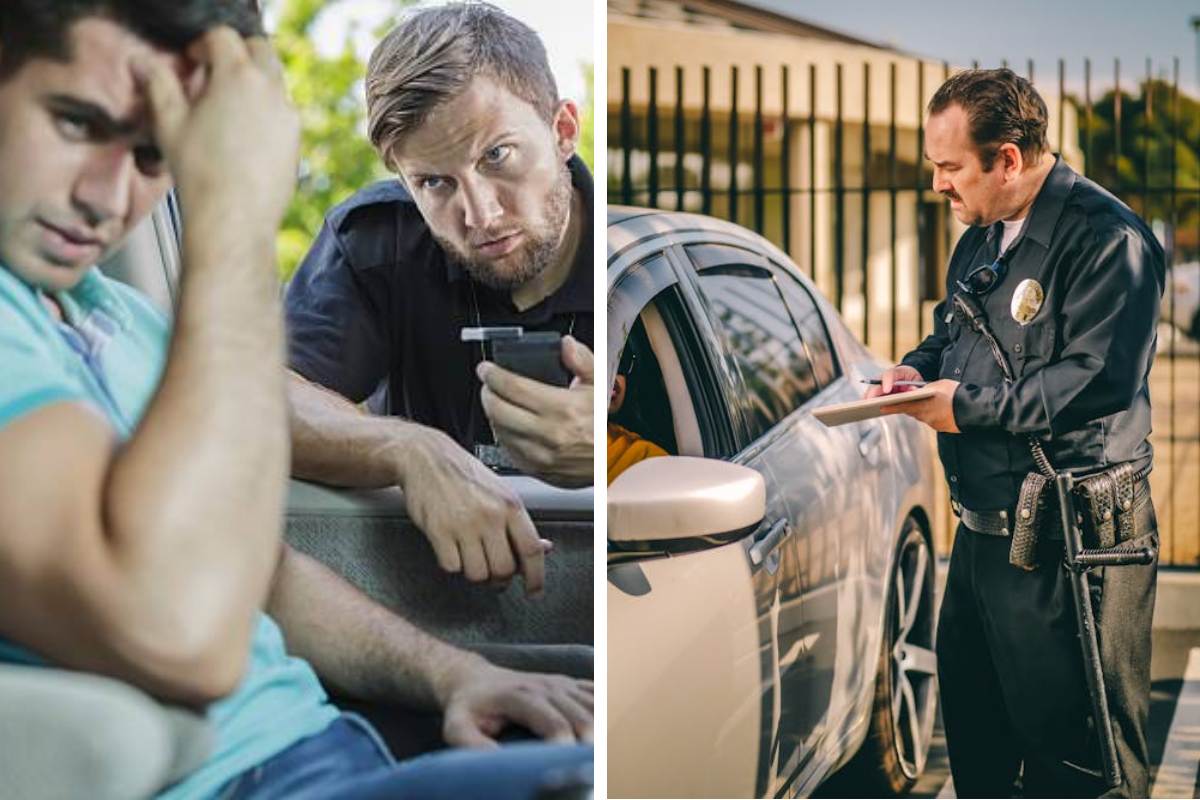
California police generally cannot search your phone during a routine traffic stop without a warrant, consent, or specific exceptions. This protection stems from the Fourth Amendment and key U.S. Supreme Court rulings applied in state law.
Fourth Amendment Protections
The Fourth Amendment guards against unreasonable searches and seizures, treating cell phones as highly private due to their vast data storage. In the landmark 2014 Riley v. California case, the Supreme Court ruled officers need a warrant to search a phone incident to arrest, even if seized. This applies to traffic stops, where no arrest typically occurs, barring routine access.
Warrant Requirements
Any search warrant must specify the phone and evidence sought, based on probable cause. Without it, evidence from a phone search is inadmissible in court. During stops, officers may seize the device temporarily but cannot unlock or browse it without judicial approval.
Exceptions to the Rule
Police can search without a warrant if you voluntarily consent—politely decline by saying, “I do not consent to a search.” “Exigent circumstances” allow limited searches for imminent threats, evidence destruction, or fleeing suspects, though courts scrutinize these closely. Probationers or parolees face looser rules under supervision terms.
Traffic Stop Specifics
Routine stops for speeding or signals do not justify phone searches; probable cause for another crime is needed first. Officers might ask for consent or claim plain view evidence, but unlocking via fingerprint requires your action or a warrant. Turn off your phone or use a strong passcode to protect data.
Practical Rights and Tips
Remain calm, provide license and registration, and assert rights without arguing. If arrested during the stop (e.g., DUI), Riley still mandates a warrant for phone contents. Evidence from illegal searches can lead to suppression motions, potentially dismissing cases.
Enforcement Realities
While law protects privacy, some officers push boundaries, leading to lawsuits. Urban areas like Los Angeles see more scrutiny, but violations often hinge on body cam footage or witness accounts. Consult an attorney if searched improperly.
Best Practices
Lock your phone with a PIN, not biometrics, which courts may compel. Avoid storing sensitive docs digitally during drives. Know local policies vary slightly, but state and federal law dominate.
SOURCES:
- https://www.sacbee.com/news/california/article281545338.html
- https://www.dmtlaw.com/blog/can-police-search-your-phone-during-a-traffic-stop/