No, Connecticut police generally cannot search your phone during a routine traffic stop without a warrant, your consent, or specific exigent circumstances. The U.S. Supreme Court’s 2014 Riley v. California ruling mandates warrants for cellphone contents seized incident to arrest, a protection fully applicable in Connecticut under the Fourth Amendment.
Legal Foundation
Connecticut follows federal precedent: Smartphones hold vast personal data (texts, photos, location history), warranting higher privacy than wallets or cigarettes.
During traffic stops, officers need probable cause—not mere suspicion—to seize a phone, and even then, contents require judicial approval unless exceptions apply. State law (CGS § 54-33a) echoes this, prohibiting warrantless digital searches absent consent or emergency.
Routine stops (e.g., speeding) justify vehicle frisks for weapons if articulable safety fears exist, but not phone dives. DUI arrests don’t auto-authorize checks for texts or apps.
When Searches Are Allowed
Exceptions include:
- Consent: Politely decline: “Officer, I do not consent to a search.” Pressure is common, but refusal preserves suppression motions.
- Exigent circumstances: Imminent evidence destruction (e.g., remote wipe) or public safety threats (e.g., bomb threat via phone).
- Incident to arrest: Physical seizure OK, but digital access needs warrant post-Riley.
- Border/port entry: CBP agents search freely without warrants.
PA 20-1 limits consent vehicle searches, bolstering phone protections indirectly.
Traffic Stop Protocols
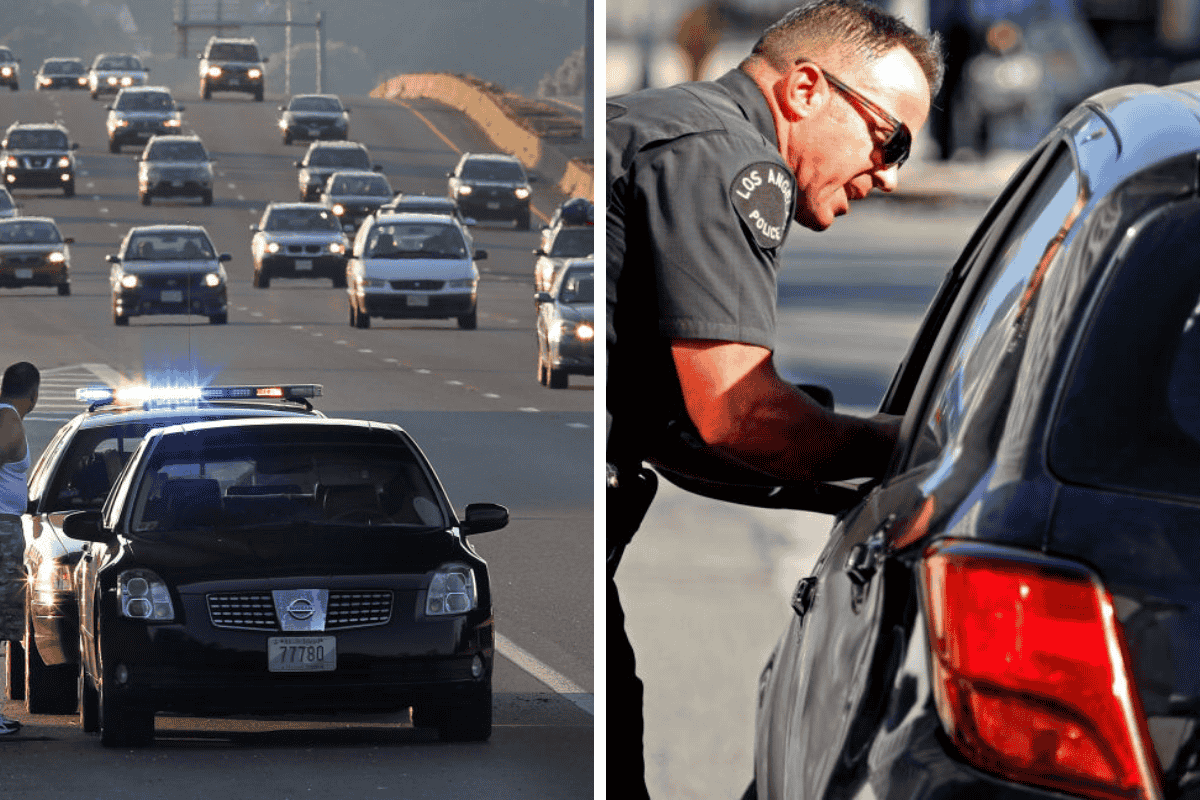
Officers can order phones powered off or placed away for distracted driving enforcement (CGS § 14-296aa), but this isn’t a search. Recording the stop is legal if non-interfering—many use dashcams. Provide license/registration/insurance; remain calm, hands visible. Escalation to phone demands often stems from fishing for drugs or warrants.
If arrested, phones may be inventoried, but unlocked data stays off-limits sans warrant (hours to days).
Remedies for Violations
Illegal searches trigger motions to suppress under Wong Sun v. U.S.—evidence (texts proving DUI coordination) gets tossed, potentially dismissing cases. Courts scrutinize “inevitable discovery” claims; successes abound post-Riley. Civil §1983 suits possible for rights violations, though qualified immunity hurdles apply.
Practical Scenarios
- Speeding stop: No phone access; vehicle sniff (dogs) OK if probable cause develops.
- DUI suspicion: Breath/blood tests mandatory if probable cause; phone irrelevant.
- Warrant check hits: Arrest possible, phone seized—but locked until warrant.
Lock phones (biometrics, strong PINs); use “duress codes” apps for emergencies.
Connecticut Specifics
No 2026 changes; 2024 legislative reports affirm Riley dominance. CCSU police advisories stress rights assertion. Urban stops (Hartford, Bridgeport) see higher scrutiny amid opioid focus.
National Context
Connecticut aligns with 50 states post-Riley; holdouts like pre-2014 practices vanished. Stricter than border zones, looser than Europe’s ECHR data rules.
Best Practices
- Silence beyond basics; invoke silence/Miranda if questioned.
- Film openly; note badge/plate.
- Post-incident: Contact ACLU-CT or defense counsel immediately.
- Apps: Signal for encryption; avoid iCloud auto-unlocks.
SOURCES:
- https://www.connecticutcriminallawyerblog.com/police-searches-in-connecticut-when-can-they-search-your-phone/
- https://www.ctpublic.org/2014-06-26/supreme-court-rules-police-need-warrants-for-most-cellphone-searches