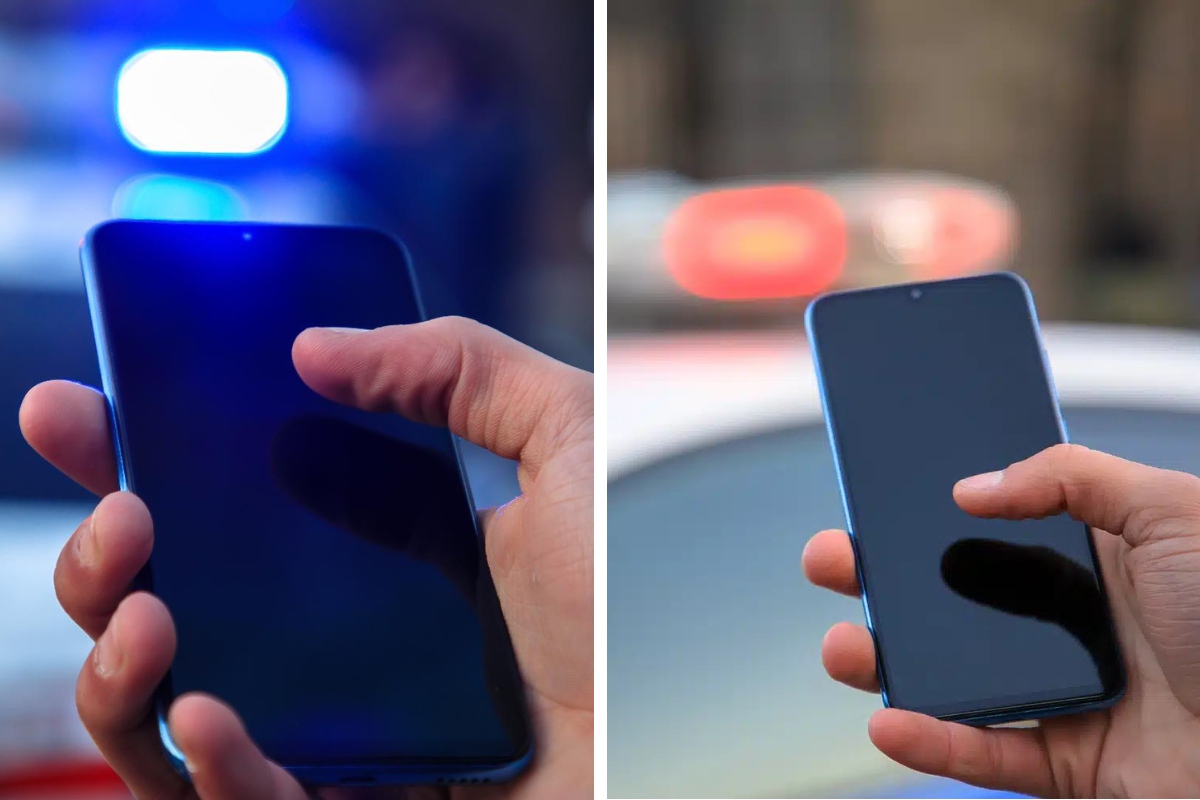
Illinois police generally cannot search your phone during a routine traffic stop without a warrant, consent, or a specific legal exception. The Fourth Amendment and key court rulings like Riley v. California strictly limit such intrusions to protect digital privacy.
Fourth Amendment Protections
The U.S. Supreme Court’s 2014 Riley v. California decision requires warrants for phone searches incident to arrest, recognizing cell phones hold vast personal data unlike wallets or keys. This applies fully in Illinois during traffic stops, where no arrest typically occurs.
Traffic Stop Limits
Stops allow checks for license, registration, and safety violations, plus plain-view evidence. Officers may ask to see your phone for distracted driving proof, but cannot demand unlock or access without probable cause. Refusal is your right; say “I do not consent to searches”.
Exceptions Allowing Search
- Consent: Voluntary permission lets them search, but it must be uncoerced—courts scrutinize pressure tactics via body cams.
- Search warrant: Probable cause (e.g., visible drug evidence) justifies one under 725 ILCS 5/108-3.
- Exigent circumstances: Rare cases like imminent harm or evidence destruction.
- Incident to arrest: Only post-arrest, and still needs warrant per Riley.
Distracted Driving Context
Illinois bans handheld phone use while driving (625 ILCS 5/7-59.1). Police can ticket based on observation, not phone records. Checking your recent calls exceeds scope unless arrest follows.
What Happens If They Search Illegally
Evidence from unlawful searches gets suppressed via motions under 725 ILCS 5/114-12. Violations can lead to dismissed cases or lawsuits. Inventory post-arrest requires warrants for digital content.
Practical Steps for Drivers
Lock your phone with biometrics or strong passcodes. Keep it out of reach during stops. Politely assert rights without arguing—request a supervisor if pressured. Apps auto-lock after failed attempts add protection.
Inventory and Impound Rules
If arrested, phones get inventoried but not forensically searched without warrants. 725 ILCS 5/108-2 mandates return upon release absent charges.
Recent Enforcement Notes
As of 2026, Illinois courts uphold Riley strictly; no new laws expand traffic stop phone access. Body cams and e-Stop cards document consent requests, aiding challenges.
SOURCES:
- https://www.edwardjohnsonlaw.com/blog-news/can-police-search-your-phone-after-an-arrest-in-illinois-what-the-law-allows/
- https://bowtielaw.com/2009/11/11/dont-text-drivebut-can-the-police-search-your-cell-phone-at-the-traffic-stop/