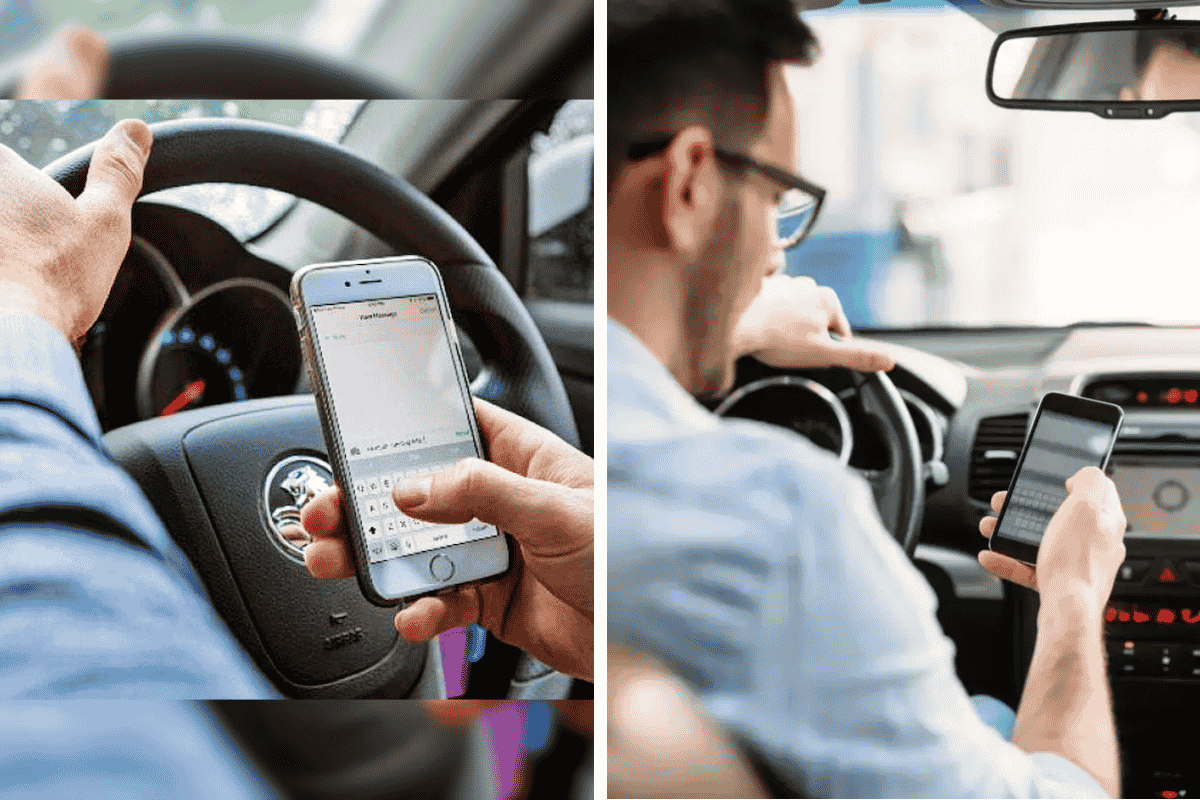
Maryland police generally cannot search your phone during a routine traffic stop without a warrant, consent, or specific exceptions like an arrest. The Fourth Amendment protects against unreasonable searches, and phones contain vast personal data, as affirmed in Riley v. California (2014).
Traffic Stop Basics
A traffic stop allows officers to check your license, registration, and insurance, plus observe for other violations. Mere phone use—like touching a mounted device for GPS—often lacks reasonable suspicion for a stop under recent Maryland Supreme Court rulings, unless tied to clear texting or handheld operation.
Maryland bans handheld phone use (§21-1124.2) but permits calls, GPS, or emergencies if mounted. Officers need articulable facts beyond a quick touch to justify escalation.
Phone Search Limits
Without probable cause, arrest, or consent, your phone is off-limits. Riley v. California requires warrants for phone contents incident to arrest, recognizing their “immense storage capacity.” A traffic ticket alone doesn’t trigger this.
Consent must be voluntary—say “I do not consent to any searches” politely. Silence isn’t agreement; courts uphold this.
Exceptions Allowing Search
- Arrest: Post-arrest, a search incident applies to the vehicle if accessible, but phone data still needs a warrant unless exigent (e.g., imminent destruction).
- Plain View/Probable Cause: Visible illegal activity (e.g., drugs) or your invitation extends access.
- Consent or Inventory: Post-tow inventory follows policy, not fishing expeditions.
- Orders: §2-109 requires officer ID and stop reason upfront.
Officer Rights During Stop
Expect questions, license demand, and vehicle observation. Refuse field sobriety if not arrested, but comply with basics to avoid escalation. Record interactions if safe.
DUI suspicions heighten scrutiny, but phone access remains restricted.
Practical Advice
Lock your phone with biometrics/PIN before stops. Place it out of reach. Challenge improper searches via motions to suppress evidence. Consult ACLU-MD resources for rights cards.
Rights Summary Table
| Scenario | Search Allowed? | Key Limit |
|---|
Know your rights to protect privacy—courts favor documented refusals.
SOURCES:
- https://thedailyrecord.com/2025/10/06/maryland-supreme-court-phone-driving-stop/
- https://www.cullenburke.com/the-legality-of-maryland-traffic-stops/