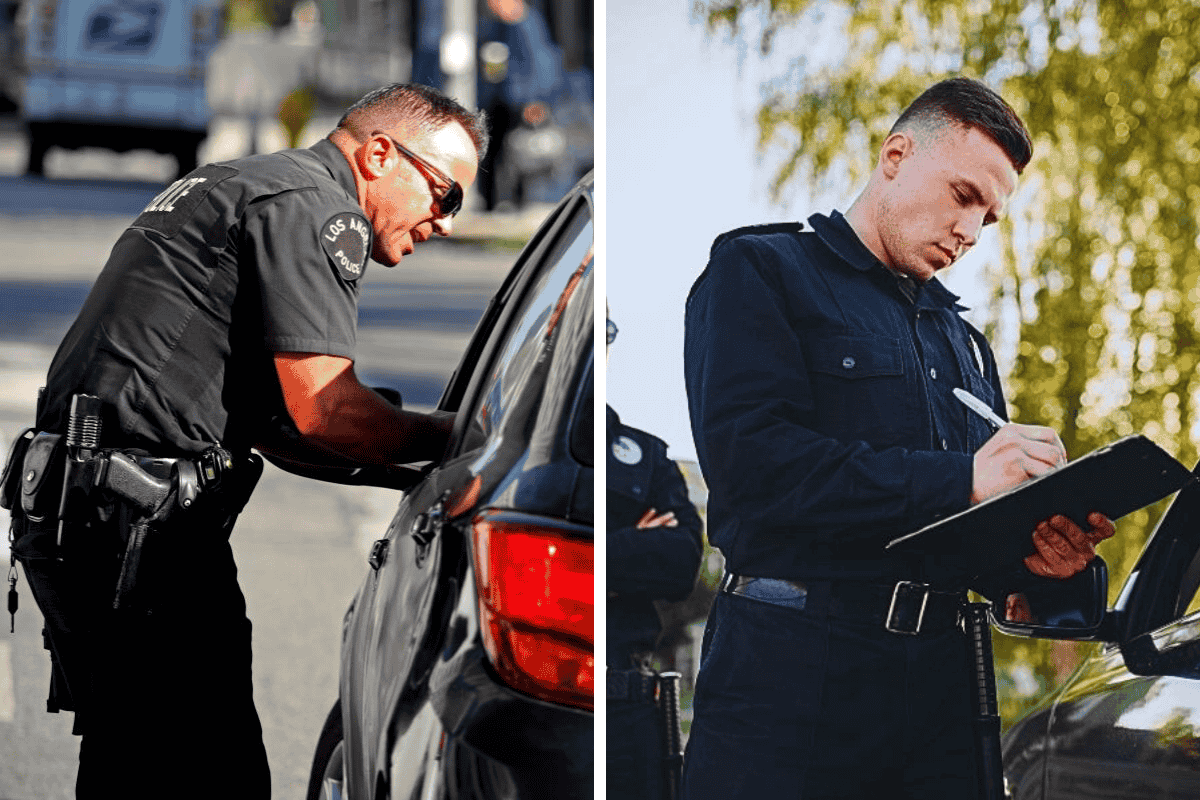
Mississippi police generally cannot search your phone during a routine traffic stop without a warrant, consent, or specific legal exceptions in 2026. The Fourth Amendment and Supreme Court precedents like Riley v. California protect digital privacy, limiting officers to vehicle or immediate-grab areas absent probable cause.
Fourth Amendment Protections
The U.S. Constitution’s Fourth Amendment shields against unreasonable searches, extending to phones as highly private “containers” holding vast personal data. In Riley v. California (2014), the Supreme Court ruled officers need warrants for phone contents incident to arrest, rejecting old “search incident to arrest” expansions due to smartphones’ scope.
Mississippi courts uphold this federally; state constitutions mirror federal standards without broader phone protections. Traffic stops justify brief detentions for tickets or warnings but not fishing expeditions into devices.
When Police Cannot Search Your Phone
Routine violations like speeding or taillights grant no phone access—refusal alone doesn’t create probable cause. Officers lack authority based on nervousness, eye avoidance, or vague suspicion; these “hunches” fail court scrutiny.
Mid-stop demands for passcodes or unlocks violate Riley unless exigent circumstances like imminent remote wipes exist, rare in traffic contexts. Data extraction tools (e.g., Cellebrite) require warrants post-seizure.
Exceptions Allowing Warrantless Searches
Consent overrides protections: Voluntarily handing over your unlocked phone permits full access—politely decline to preserve rights. Probable cause tied to crimes (e.g., visible drug texts during DUI stop) justifies limited review of plain-view screens.
Post-arrest, officers search grab-area items including phones for weapons/evidence, but contents need warrants per Riley. Inventory if impounded covers physical catalogs, not deep dives. Exigency (e.g., terrorism alerts) rarely applies roadside.
Traffic Stop Protocols in Mississippi
Officers need “reasonable suspicion” for stops—speeding, weaving, equipment issues qualify. Provide license/registration calmly; ask, “Am I free to go?” if questioning extends. Mississippi Highway Patrol follows national norms; no state law mandates phone surrender.
Cell-site simulators need warrants under HB376 (2023), blocking warrantless location pings during stops. Refusal can’t prolong detention absent independent cause.
What to Do During a Stop
Stay calm, hands visible, in seatbelt—escalation risks escalate charges. If asked: “Officer, I respectfully do not consent to any searches.” Silence on questions beyond ID; Miranda applies post-custody.
Record interactions (legal in public, one-party consent state); inform of filming politely. Post-stop, note badge/plate numbers for complaints or suits. Seek counsel if seized—suppression motions toss fruit from illegal searches.
Real-World Scenarios Table
| Scenario | Search Allowed? | Key Factor | Action |
|---|---|---|---|
| Speeding ticket only | No | No probable cause | Decline consent firmly |
| DUI stop, open alcohol seen | Possible plain view | Screen texts visible | Say “no” to full unlock |
| Arrest for warrants | Grab area yes, contents no | Riley warrant needed | Request lawyer immediately |
| Consent verbally given | Yes | Voluntary handover | Avoid; retract if pressured |
| Drug odor + phone in hand | Probable cause limited | Specific evidence link | Limit to observed screen |
| Impound inventory | Physical only | No data extraction | Document chain of custody |
Mississippi Court Precedents
Hypotheticals mirror rulings: Speeding + marijuana smell doesn’t auto-warrant phones; courts suppress absent crime ties. Plain-view notifications (e.g., “coke pickup” text) provide cause for seizure/forensic warrants. Encryption bolsters defenses; compelled biometrics need specific warrants.
Wrongful searches yield §1983 civil suits for violations. Firms like Coxwell note routine suppressions when officers overreach.
Phone Security Best Practices
Lock devices; use strong PINs over biometrics (courts debate compulsion). Disable Siri/Google auto-unlock; enable remote wipe if prolonged seizure looms. Cloud backups? Warrants may reach servers separately.
Avoid handling phone during stops—pocket it to dodge plain view. Apps like Signal auto-delete aid privacy.
Broader Rights and Resources
Mississippi Legal Services aids low-income challenges; ACLU tracks patterns. No 2026 changes altered Riley; federal dominance holds.
Know limits empower compliance without surrender—phones stay private absent lawful process. Navigate stops confidently: Polite refusal upholds rights without confrontation.
SOURCES:
- https://www.coxwelllaw.com/blog/2025/april/your-rights-during-mississippi-traffic-stops-wha/
- https://surovellfirm.com/criminal-law/digital-device-searches-when-police-can-access-your-phone/