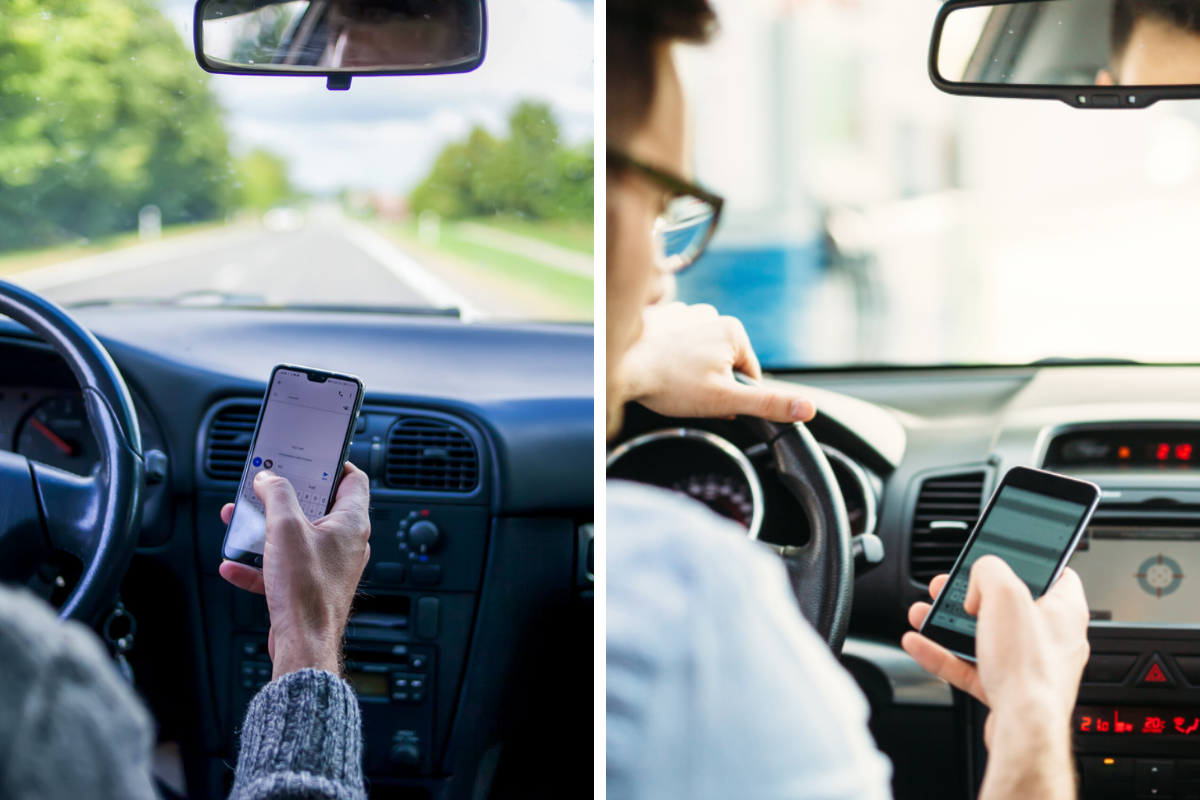
Montana police generally cannot search your phone during a routine traffic stop without a warrant or your consent. The Fourth Amendment and key U.S. Supreme Court rulings set strict limits on such intrusions.
Legal Protections
Montana follows federal precedents like Riley v. California (2014), which mandates warrants for cell phone contents even incident to arrest, overriding traditional vehicle search allowances. Officers need probable cause—specific evidence of a crime on the device—or consent to access data. Routine stops for speeding or taillights don’t qualify.
Consent and Refusal
You can politely decline searches by saying, “I do not consent to any searches.” Refusal carries no penalty unless other grounds exist, though compliance with ID requests is required. Montana Highway Patrol’s 2026 digital ID policy reinforces this, stating users never hand over devices physically.
Exceptions Allowed
Probable cause arises if evidence like texts supports DUI or reckless driving suspicions. Exigent circumstances, such as imminent evidence destruction, rarely apply. Post-arrest inventory searches are limited; digital contents still need warrants per Riley.
Vehicle vs. Phone Distinction
While Montana allows warrantless vehicle searches under certain probable cause during stops, phones enjoy heightened privacy as modern “minicomputers.” Location data requires warrants too, per Carpenter v. United States (2018).
Practical Tips
Stay calm, record interactions if not interfering, and ask, “Am I free to go?” if questioning extends. Consult attorneys post-incident for potential rights violations; suppressed evidence can dismiss cases. These rules empower drivers while ensuring officer safety.
SOURCES :
- https://www.dmtlaw.com/blog/can-police-search-your-phone-during-a-traffic-stop/
- https://www.youtube.com/watch?v=zp-jQyRWgbU