Nevada police generally cannot search the contents of your phone during a routine traffic stop without a warrant, your consent, or specific legal exceptions. This protection stems from the Fourth Amendment and key U.S. Supreme Court rulings applied in Nevada.
Fourth Amendment Basics
The Fourth Amendment protects against unreasonable searches and seizures, requiring warrants based on probable cause. In Nevada, this applies to traffic stops, where police need justification beyond the initial violation to escalate. Phones hold vast personal data, so courts treat them differently from physical items.
Traffic Stop Limits
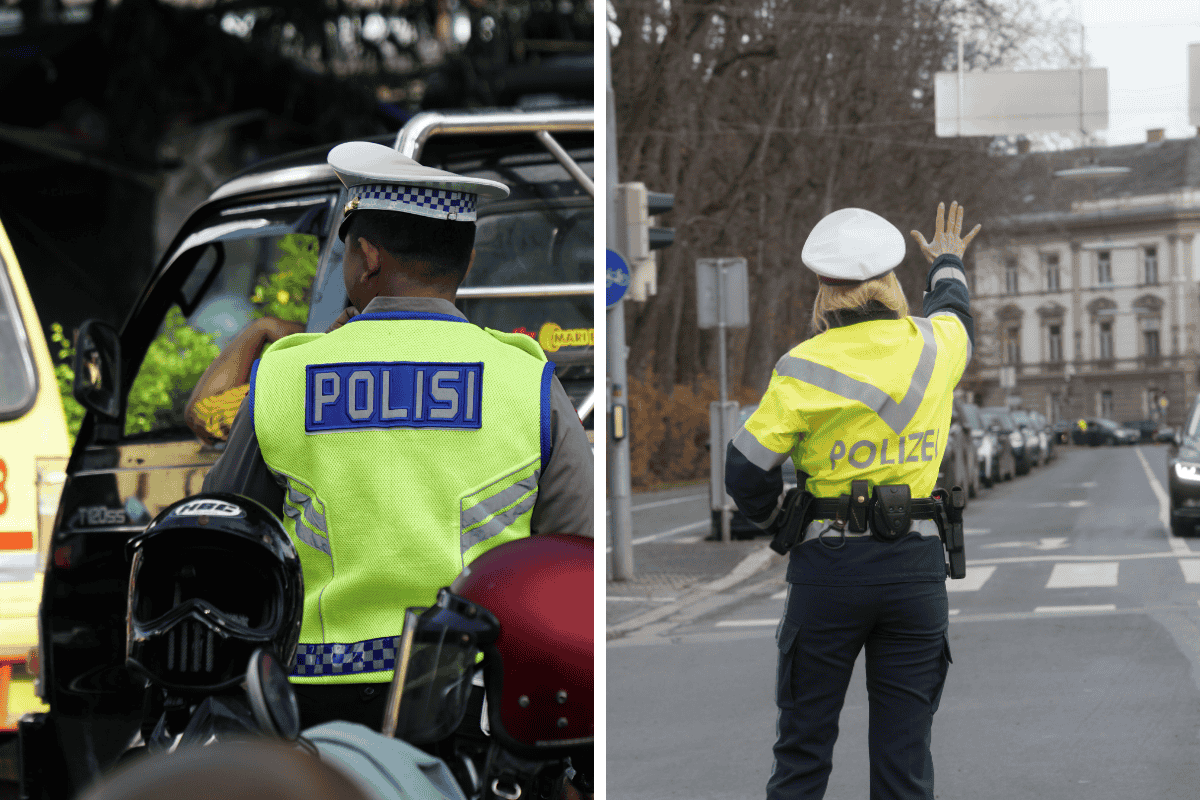
During a stop, officers can check your license, registration, and insurance, and order you out for safety. They cannot search your phone or vehicle without probable cause, consent, or an exception like the automobile rule for cars—but phones are separate. Prolonging the stop for unrelated fishing expeditions violates your rights, as noted by the Ninth Circuit.
Riley v. California Impact
The 2014 Supreme Court case Riley v. California ruled police need a warrant to search a phone’s digital contents, even incident to arrest. Nevada follows this strictly; the state Supreme Court in Smith v. State (2024) confirmed that seizing a phone does not allow data searches without a new warrant. This overturned prior practices allowing full phone rifling post-arrest.
When Searches Are Allowed
Police can search your phone if you consent—politely say “I do not consent” to protect yourself. A valid warrant lets them access contents, but it must specify details and be based on probable cause. Exceptions include exigent circumstances (e.g., imminent evidence destruction) or if the phone is in plain view with obvious criminal ties.
What Happens in Practice
Officers might ask to see your phone for distracted driving evidence, but refusal cannot lead to arrest alone. Nevada has no “textalyzer” law mandating unlocks post-crash; warrants are required. Biometrics (fingerprints) may be compelled via warrant, unlike passcodes in some rulings.
Your Rights and Steps
Remain calm, provide ID as required by NRS 171.123, but invoke silence and no-consent. Do not unlock or hand over voluntarily—physical resistance risks charges. If searched illegally, evidence can be suppressed via a motion, potentially dismissing cases.
Nevada-Specific Rulings
The Nevada Supreme Court emphasizes warrants for digital data, as in Smith v. State. Vehicle stops get scrutiny; pretextual pulls without violations get tossed. Consult a lawyer immediately if evidence from your phone is used against you.
SOURCES:
- https://joeygilbertlaw.com/blog/your-rights-during-police-searches-in-nevada/
- https://www.shouselaw.com/nv/defense/laws/search-and-seizure/