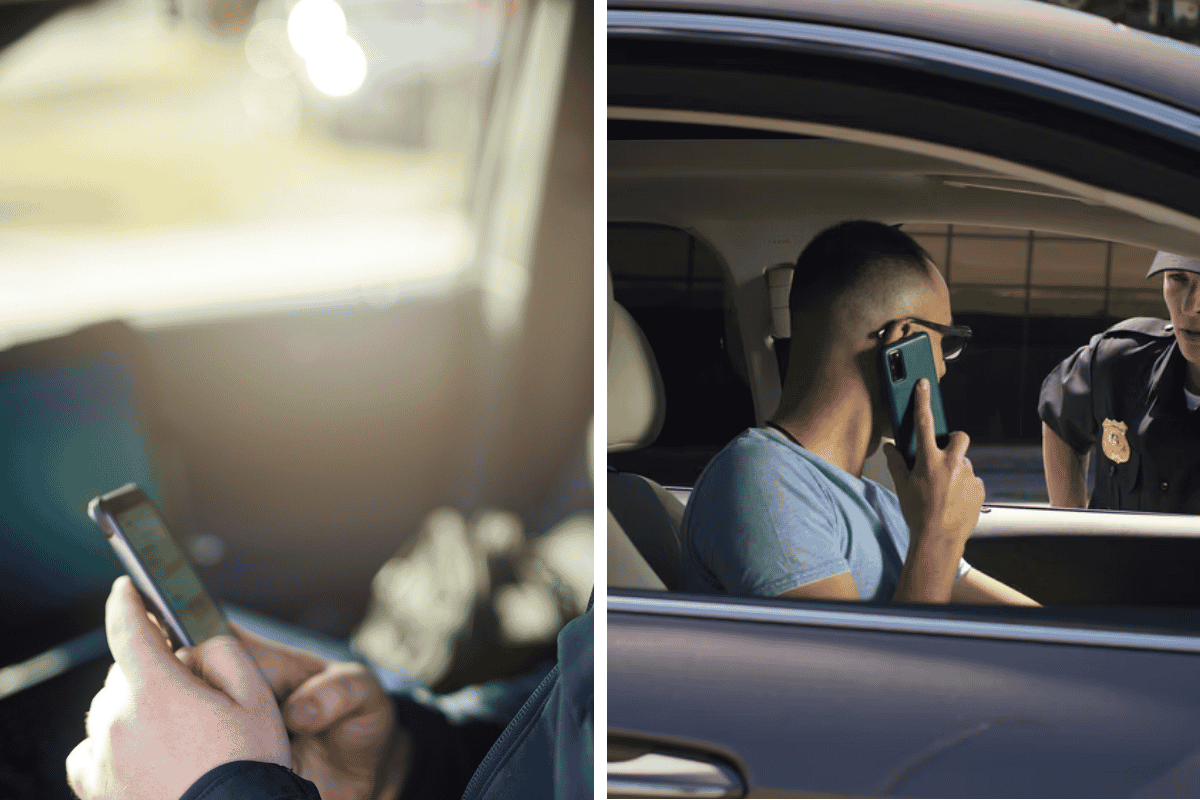
New Jersey police generally cannot search your phone during a routine traffic stop without a warrant, your consent, or specific legal exceptions. The landmark U.S. Supreme Court ruling in Riley v. California (2014) established that cell phones require warrants for digital content searches due to their vast personal data, even incident to arrest.
This protection applies statewide during traffic stops, limiting officers to plain view observations.
Fourth Amendment Protections
The Fourth Amendment guards against unreasonable searches, requiring probable cause and judicial oversight for phones. Traffic stops allow license checks and vehicle plain-view scans but not device intrusions without justification. Riley differentiated phones from physical items, rejecting automatic incident-to-arrest searches.
New Jersey courts uphold this, suppressing evidence from warrantless phone dives.
When Searches Are Allowed
Police need one of these to access your phone:
- Warrant: Judge-approved based on probable cause, specifying data sought.
- Consent: Voluntarily given—you can refuse politely.
- Exigent Circumstances: Imminent evidence destruction or harm, rarely applied to phones.
- Plain View: Incriminating info visible on screen without unlocking.
Seizure for later warrant is common; searching contents isn’t.
Traffic Stop Specifics
Refusal can’t penalize you or imply guilt.
What to Do During a Stop
Stay calm: Provide license, registration, insurance. If asked for phone access, say, “I do not consent to searches” clearly. Don’t unlock or hand it over. Officers may detain the device briefly for a warrant—comply without assisting.
Note badge numbers, witnesses; request an attorney if arrested.
Consequences of Illegal Searches
Evidence from warrantless searches gets suppressed via motion to suppress, potentially dismissing charges. Violations may yield civil rights lawsuits under NJ Tort Claims Act. Recent cases reaffirm Riley—e.g., no search for texts without specifics.
- https://www.gelmanlawfirm.com/blog/what-should-you-do-if-police-ask-to-search-your-phone-in-new-jersey/
- https://www.lslawyers.com/are-the-police-permitted-to-search-your-cell-phone.html