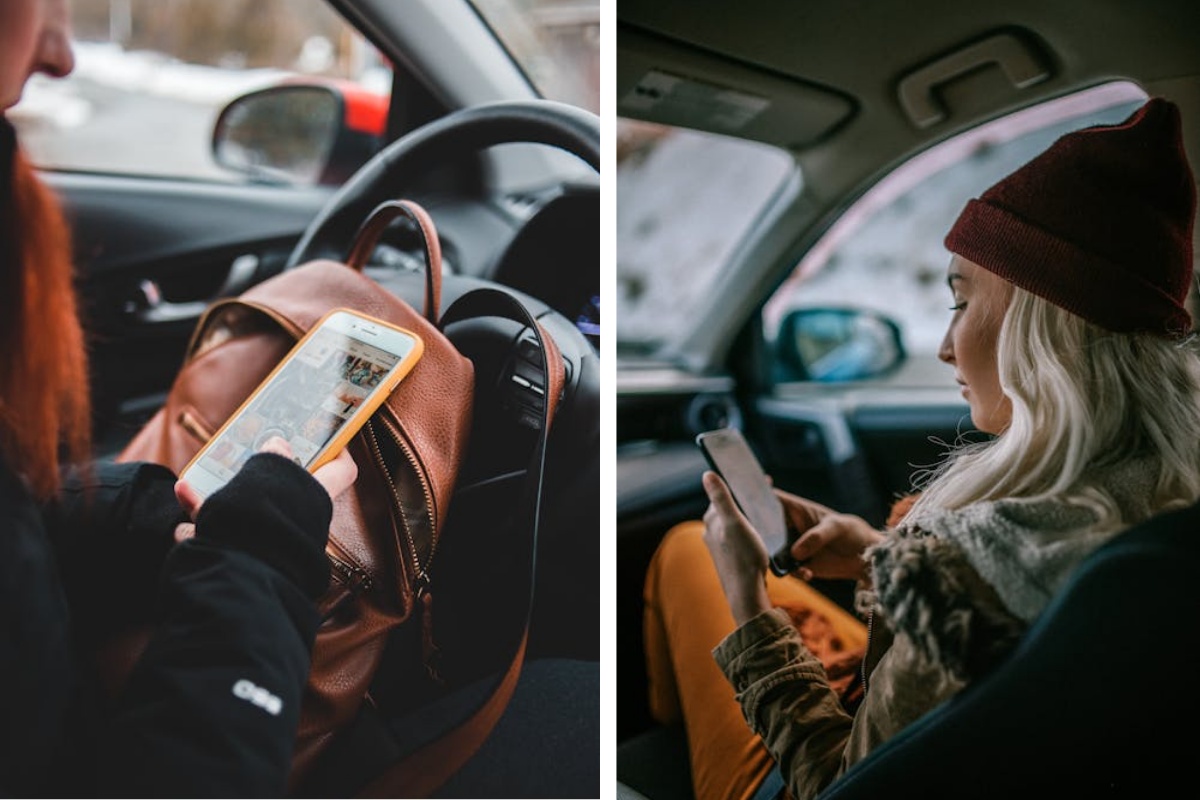
In Tennessee, police generally cannot search your phone during a traffic stop just because they ask. The law usually requires a warrant, your informed consent, or a true emergency, and Tennessee specifically protects cellular telephone data from warrantless searches even after a lawful arrest.
What the law says
Tennessee law says an officer may not search, examine, extract, or duplicate cellular telephone data unless the officer has a warrant, the person with control of the phone gives informed consent, or exigent circumstances exist.
That protection covers texts, photos, videos, documents, contacts, and other stored data on the phone. The Fourth Amendment also supports this rule by generally requiring a warrant based on probable cause for searching digital data on a phone.
During a traffic stop
A routine traffic stop does not automatically give police the right to open your phone or scroll through it. Officers may ask for consent, but you do not have to agree to a phone search. If they want to look through the contents of the device, they normally need to stop the investigation and obtain a warrant unless an exception applies.
When a search may happen
There are limited situations where police may legally access your phone without a warrant. The main exceptions are informed consent and exigent circumstances, such as an immediate safety threat or urgent need to prevent evidence from being destroyed. Even then, Tennessee law is strict about cellular data, and warrantless access is not the rule.
What you can do
If an officer asks to search your phone, you can politely say you do not consent. You should not hand over your passcode or unlock the phone unless you choose to do so. You must still comply with lawful orders during the stop, such as providing your license, registration, and insurance, but that does not mean you must surrender phone contents.
Why this matters
Phones contain a huge amount of private information, so courts treat them differently from many other objects in a car. Tennessee’s statute reflects that privacy concern by requiring a warrant or another recognized exception before officers can search phone data. If police search your phone unlawfully, the data may be excluded from court.
Example
If you are stopped for speeding in Tennessee, an officer can ask for your license and proof of insurance, but cannot simply demand to inspect your phone messages. If the officer suspects your phone contains evidence of a crime, the officer would usually need to seek a warrant before searching it.
SOURCES:
- https://surovellfirm.com/criminal-law/digital-device-searches-when-police-can-access-your-phone/
- https://law.justia.com/codes/tennessee/title-40/chapter-6/part-1/section-40-6-110/