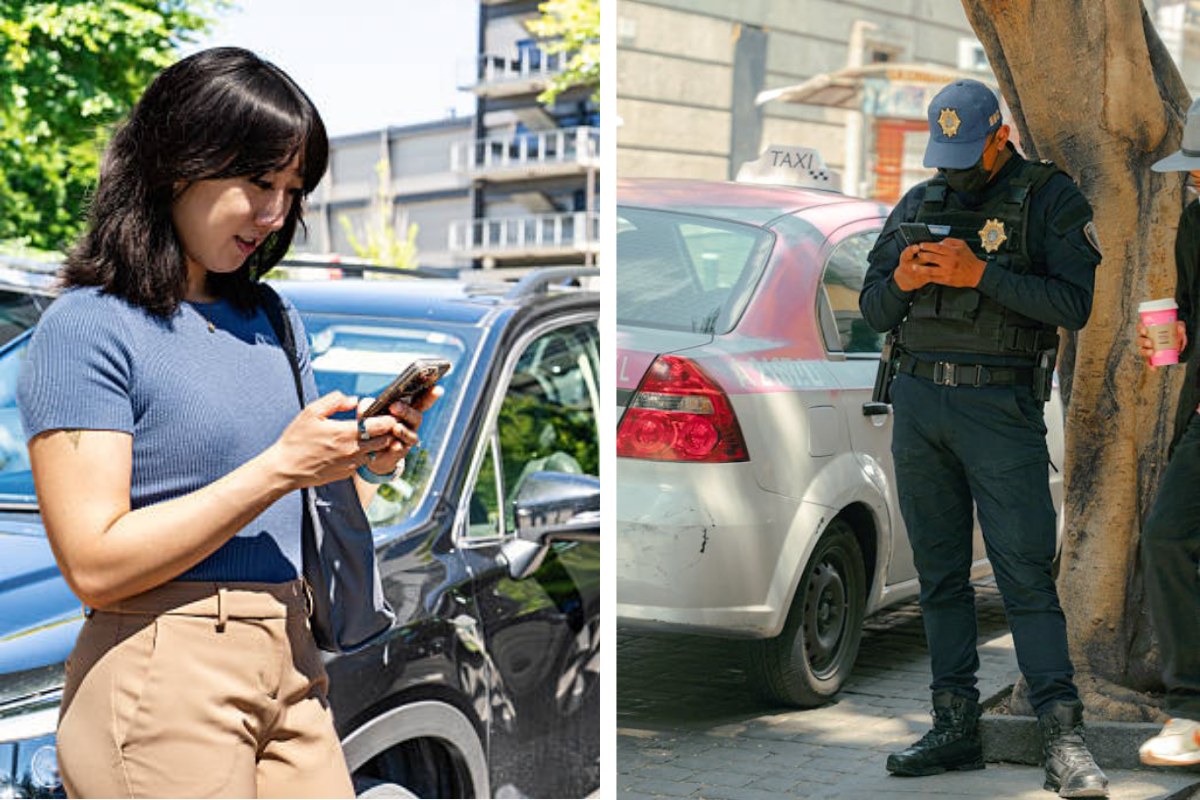
In Washington State, police generally cannot search the contents of your phone during a routine traffic stop without a warrant, even if they have pulled you over for a minor violation like speeding or a broken taillight.
Your phone is treated as a private digital space under both the U.S. Constitution and Washington law, so officers must meet specific legal standards before they can legally scroll through your messages, photos, or apps.
The Warrant Requirement
Under the Fourth Amendment and Washington‑state case law, authorities usually need a warrant to search a cell phone, including one seized during or after a traffic stop. The 2014 U.S. Supreme Court case Riley v. California made it clear that phones are “mini computers” and deserve strong privacy protection, so even if you are arrested during the stop, police still generally must get a warrant before they can rummage through your device.
A warrant must be based on probable cause and describe what the officer is looking for, such as evidence of a specific crime or dangerous situation.
When Police Can Search Without a Warrant
There are narrow exceptions that may allow Washington officers to search a phone without a warrant. First, if you voluntarily give consent—by unlocking your phone or handing it over—they can search it within the scope of that consent, though you are fully allowed to say “I do not consent” and refuse.
Second, if there is an “exigent circumstance,” such as an immediate threat to someone’s safety or a fear that critical evidence will be erased, courts may permit a limited, emergency‑style search. Finally, if you are arrested, police can seize your phone for safekeeping or as evidence, but they usually still need a warrant to access its data unless an exception applies.
Self‑Protection During a Stop
Washington residents can help protect their phone data by staying polite but firm if asked to hand over their device. You can say, “I do not consent to a search of my phone,” and you are not required to give up your passcode, fingerprint, or facial‑unlock access.
If an officer insists or says the search is “just routine,” you can ask to see a warrant; if no warrant is presented, you can still decline consent while following their lawful instructions for the traffic stop itself. If your phone is searched later without a valid warrant or exception, a lawyer can argue to have any evidence excluded in court.
SOURCES:
- https://www.dmtlaw.com/blog/can-police-search-your-phone-during-a-traffic-stop/
- https://surovellfirm.com/criminal-law/digital-device-searches-when-police-can-access-your-phone/