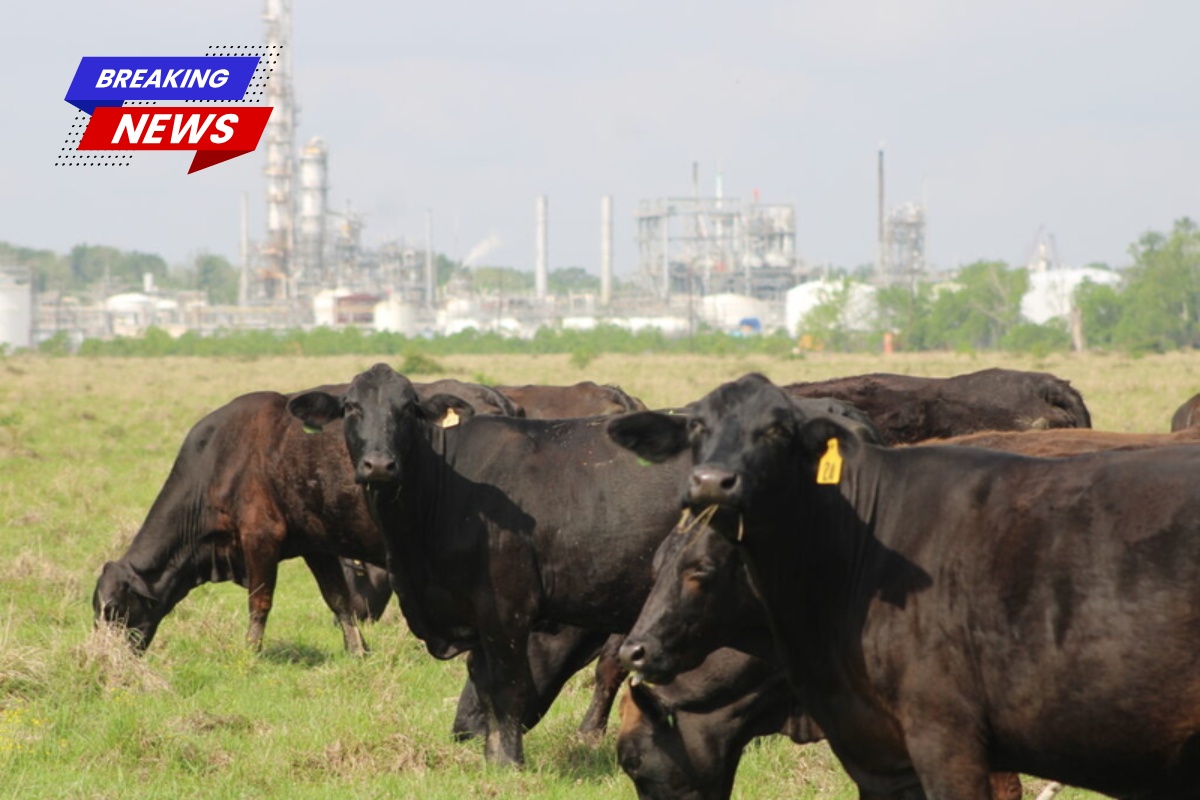
A documentary examining chemical pollution and environmental concerns in a Louisiana community will finally be shown after a months-long controversy over its cancellation.
Organisers and free speech advocates had criticised the decision to cancel the screening, arguing it raised concerns about censorship and public access to information. Following renewed attention and public discussion, the event has now been reinstated and scheduled for June.
Documentary Screening Reinstated After Controversy
A planned screening of The Big Sea, a documentary focused on chemical pollution in Louisiana’s St. John the Baptist Parish, will move forward after being cancelled earlier this year.
The event was originally approved by the board of the St. John Theatre in December but was unexpectedly cancelled in late January. Organisers claimed the cancellation came after discussions involving Parish President Jaclyn Hotard.
The decision sparked criticism from environmental advocates, community members, and free speech supporters who questioned why the film was prevented from being shown at a public venue.
The screening is now scheduled for June 19.
Theatre Board Reverses Earlier Decision
The reversal came after the theatre’s board revisited the circumstances surrounding the cancellation.
According to board president Sterling Snowdy, the theatre had misunderstood comments made by Parish President Hotard regarding the use of the venue.
In a letter sent to Tulane University’s First Amendment Clinic, Snowdy stated that the theatre had interpreted Hotard’s concerns as suggesting that a documentary screening might fall outside the terms of the facility’s lease agreement.
After further review, the board concluded that the event could proceed and formally invited organisers to move forward with the screening.
The decision marked a significant shift from the theatre’s earlier position.
Community Group Welcomes Outcome
The screening was organised by Concerned Citizens of St. John, a local environmental advocacy group.
Members of the organisation welcomed the theatre’s decision to allow the documentary to be shown.
Community activist Tish Taylor said the outcome represented an important victory for free expression and public participation.
She stated that residents should be able to use venues available to the public and exercise rights protected under the Constitution.
The screening has been scheduled to coincide with Juneteenth celebrations in the majority-Black parish.
Questions Remain About Original Cancellation
Although the screening has been reinstated, questions remain about why it was cancelled in the first place.
Earlier communications from theatre management reportedly stated that Parish President Hotard had vetoed the event. However, Hotard has consistently denied issuing a direct order to cancel the screening.
When asked about the situation, Hotard declined to explain the concerns she may have had regarding the event and referred questions to theatre officials.
The differing accounts have continued to fuel debate within the community.
Documentary Focuses on Environmental Concerns
The Big Sea explores the relationship between the global surfing industry and environmental pollution in Reserve, Louisiana.
The film examines the impact of industrial emissions from a nearby chemical plant that produced chloroprene, a key ingredient used in neoprene wetsuits.
Federal regulators previously raised concerns about potential health risks associated with emissions from the facility, including possible cancer risks for local residents and nearby schoolchildren.
The plant ceased operations last year following increasing regulatory pressure.
The documentary has received significant attention for highlighting these issues.
Film Earned International Recognition
Since its release, The Big Sea has received positive reviews and recognition at film festivals around the world.
The documentary earned numerous awards and generated coverage from national and international media outlets.
Despite its success elsewhere, it had not yet received a public screening in the Louisiana community where much of the story was filmed.
For local residents and activists, the upcoming event represents an opportunity to view and discuss a film that focuses directly on issues affecting their area.
Legal and Free Speech Concerns Emerged
The cancellation also led to legal concerns regarding freedom of expression.
Concerned Citizens sought assistance from Tulane University’s First Amendment Clinic after efforts to obtain answers about the cancellation proved unsuccessful.
Attorneys representing the group argued that preventing the screening raised constitutional concerns and warned parish officials that continued restrictions could expose the local government to legal challenges.
The dispute became a broader discussion about access to public spaces and the rights of community organisations to hold events without political interference.
Longstanding Tensions Over Industrial Development
The controversy occurred against a backdrop of ongoing disagreements between local officials and environmental groups.
Parish President Hotard has frequently clashed with activists over industrial development projects, environmental regulation, and economic issues affecting the parish.
Supporters of industrial facilities often point to their economic contributions and employment opportunities, while environmental advocates raise concerns about health risks and pollution.
Those broader tensions have shaped much of the public debate surrounding the documentary.
Public Attention Helped Change Outcome
Organisers believe increased public attention played a major role in reversing the cancellation.
Following media coverage and growing criticism from community members, the issue attracted wider attention throughout the region.
Advocates argue that public scrutiny encouraged decision-makers to revisit the matter and ultimately approve the screening.
The reinstatement has been viewed by supporters as a victory for transparency, community engagement, and open discussion of environmental issues.