Cancer treatment is advancing rapidly, and a new technology now available in New Orleans could change how certain tumors are treated with radiation. A leading cancer center in the city has introduced a cutting-edge therapy that can track tumors as they move inside the body, allowing doctors to target cancer cells with greater accuracy while protecting healthy tissue.
New Precision Radiotherapy Technology Introduced in New Orleans
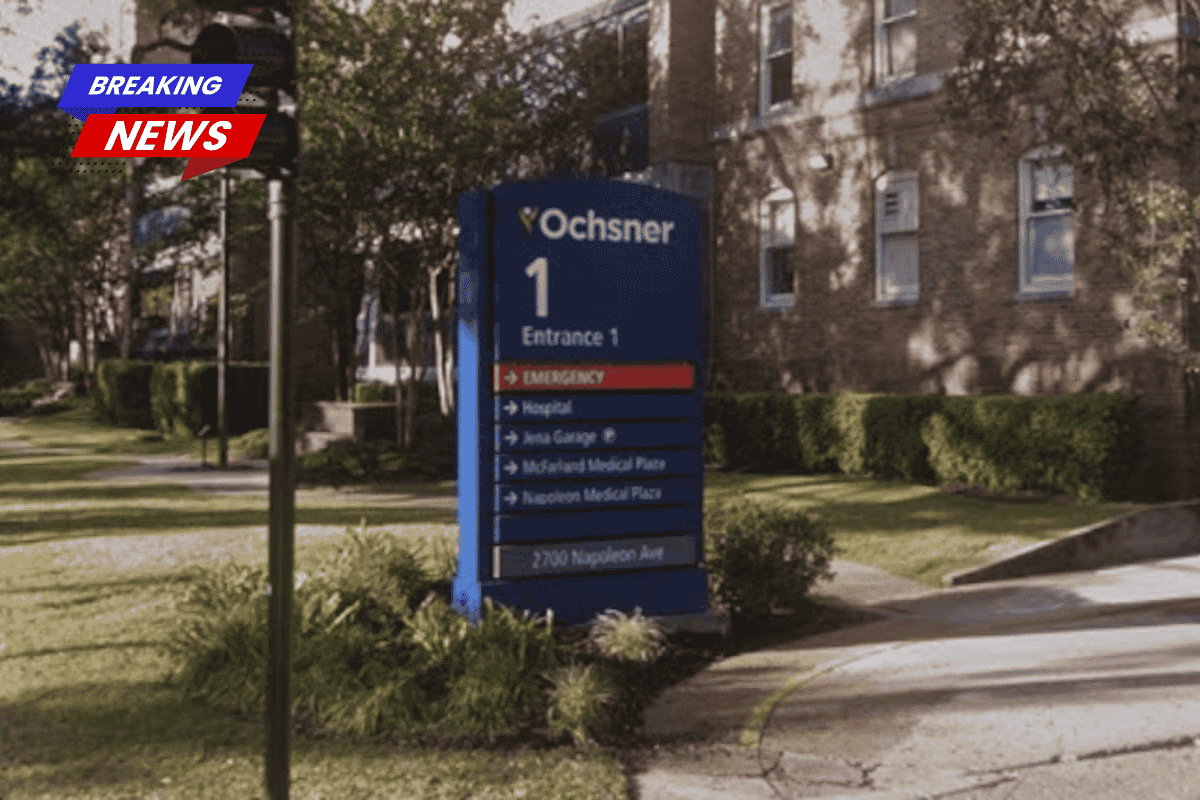
Ochsner MD Anderson Cancer Center has introduced a new form of precision radiation therapy at Ochsner Baptist.
The technology allows doctors to track tumors as they move inside the body during treatment. This advancement makes the center the first in the southern United States to offer the FDA-cleared therapy for certain lung and bone tumors.
Only a small number of medical centers around the world currently use this system.
Doctors say the technology helps them deliver radiation more precisely, which may reduce damage to nearby healthy organs and tissues.
How the Technology Tracks Tumors in Real Time
The system combines positron-emission tomography (PET) imaging with a radiation delivery machine called a linear accelerator.
Before treatment begins, patients receive an injected radiopharmaceutical that highlights cancer cells during PET imaging. The cancer cells then appear as bright signals during the scan.
These signals allow the machine to:
- Detect the tumor’s exact location
- Monitor tumor movement during treatment
- Adjust the radiation beam in real time
This approach allows doctors to continuously track the tumor during therapy, even if it shifts slightly as the patient breathes or moves.
SCINTIX Biology-Guided Radiotherapy
The technology was developed by RefleXion Medical and is marketed under the name SCINTIX.
SCINTIX uses a method known as biology-guided radiotherapy (BgRT), which relies on the tumor’s biological signals to guide treatment.
The system has received clearance from the U.S. Food and Drug Administration for treating certain lung and bone tumors using FDG-based imaging.
Early studies and clinical experience suggest the system can deliver highly precise radiation doses, even to multiple moving tumors.
Expanding Cancer Treatment Options in the Gulf South
With this technology now available in New Orleans, patients in the Gulf South may no longer need to travel far for access to advanced radiation treatments.
According to reports, the center will be one of only eight sites worldwide offering the therapy.
Troy G. Scroggins Jr. said the technology represents a major advancement in radiation therapy.
He explained that biology-guided radiotherapy can improve tumor targeting and may reduce radiation exposure to healthy tissue, potentially lowering treatment side effects.
Who May Benefit From the Treatment
While the technology is promising, it may not be suitable for every patient.
Doctors note that tumors must meet certain requirements, including:
- Strong uptake of FDG imaging tracers
- Specific size and motion characteristics
- Safe distance from other sensitive organs
Some patients may not qualify if their tumors do not meet these criteria.
Early Research and Future Development
Early clinical data from the PREMIER registry suggest that the system can safely and effectively treat certain lung and bone lesions.
Researchers are continuing to explore:
- New radiotracers that could expand treatment options
- Additional types of cancer that may benefit from the technology
- Improved treatment workflows for broader clinical use
As more research becomes available, experts say the system could become an important tool in precision cancer care.
Treatment Expected to Begin Soon
Officials say eligible patients from across the Gulf South will soon be able to receive the therapy through the center.
Doctors also plan to integrate the technology into multidisciplinary cancer care programs and clinical trials as more evidence becomes available.
Patients and referring physicians are encouraged to contact the cancer center directly to determine whether the treatment may be appropriate for individual cases.