
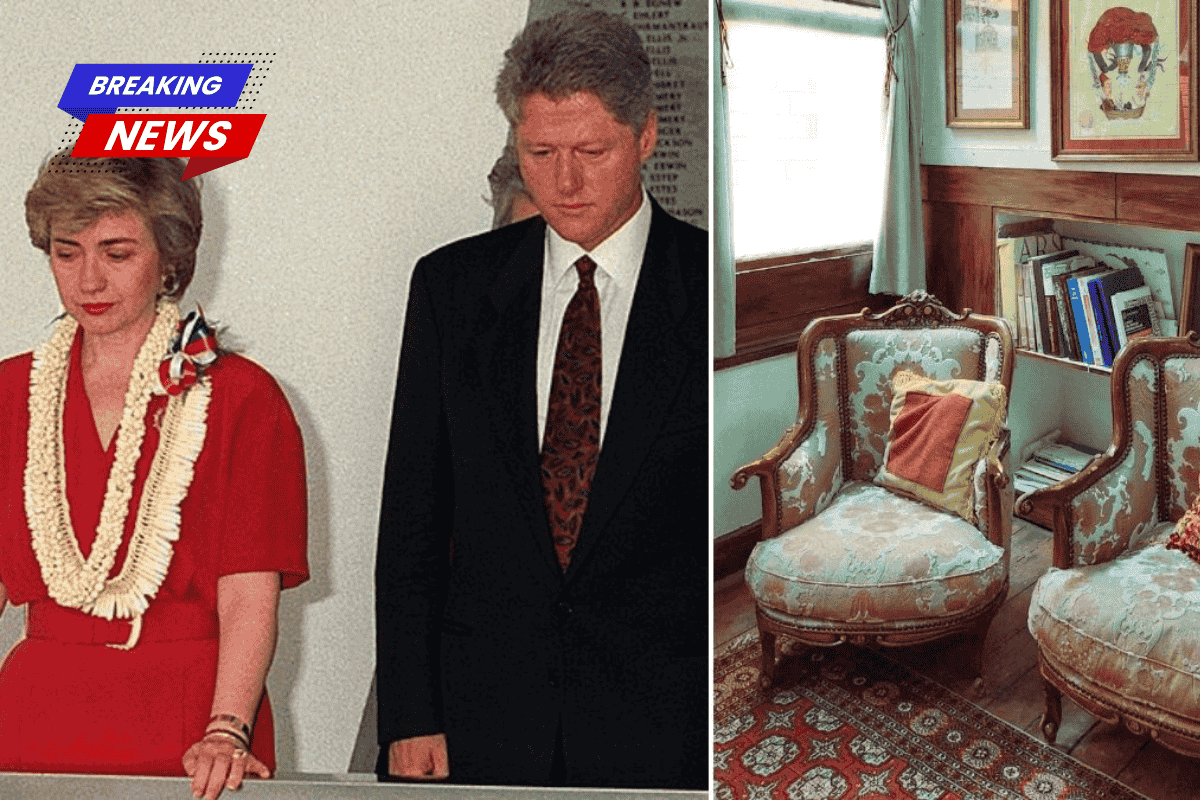
The departure of former President Bill Clinton from the White House in 2001 brought with it a controversy that gained national attention at the time.
Reports surfaced that the Clintons had taken furniture, artwork, and other items valued at nearly $200,000 when they moved out of the presidential residence. The issue sparked debate about presidential gift rules and whether certain items belonged to the Clintons personally or to the U.S. government.
Overview of the Controversy
| Detail | Information |
|---|---|
| President | Bill Clinton |
| Year | 2001 |
| Items Involved | Furniture, china, artwork |
| Reported Value | About $190,000 |
| Resolution | Some items returned, others reimbursed |
What Happened When the Clintons Left the White House
When Bill Clinton’s presidency ended in January 2001, he and Hillary Clinton prepared to leave the White House after eight years in office.
Soon afterward, media reports claimed the Clintons had taken a large number of items from the White House residence, including:
- Furniture
- Decorative artwork
- Glassware and china
The total reported value of the items involved was approximately $190,000.
Because the items had been moved during the Clintons’ departure, the situation quickly drew public scrutiny and became known in the media as the “White House gifts controversy.”
How Presidential Gift Rules Work
The controversy centered largely on how presidential gifts are handled under U.S. law.
Presidents and government officials often receive gifts during their time in office from both U.S. citizens and foreign leaders.
However, strict rules govern what they are allowed to keep.
Key guidelines include:
- Gifts from foreign governments generally belong to the United States unless purchased by the recipient.
- Officials may keep certain gifts if they fall below specific value thresholds.
- Gifts above a set value must usually be reported or transferred to the federal government.
These rules are designed to prevent conflicts of interest and ensure transparency in government.
Dispute Over Ownership
In the Clintons’ case, the central question was whether the items had been given:
- Personally to Bill and Hillary Clinton, or
- To the White House as an institution
Some gifts given during a president’s final year can come from political supporters or donors and may be intended for personal use.
However, if gifts are considered official presidential property, they must remain with the government.
The dispute over which category the items fell into led to an investigation and public debate.
Resolution of the Dispute
After the controversy gained widespread attention, the Clintons agreed to resolve the matter.
According to reports at the time:
- The Clintons paid about $86,000 to the U.S. government to keep certain furniture and gifts.
- They returned other items valued at about $28,000 that were determined to belong to the White House.
In total, the combined value of the disputed items involved in the resolution was about $114,000.
The reimbursement and returned items settled the issue, and no criminal charges were filed.
Public Reaction at the Time
The controversy generated significant political criticism and media coverage.
Some critics accused the Clintons of improperly taking government property, while supporters argued the dispute was largely administrative and related to confusion over gift classifications.
Fact-checking organizations later noted that the Clintons did not “steal” the items but were involved in a disagreement over how the gifts should be categorized.
Later Public Attention
In recent years, the Clinton family has occasionally returned to the spotlight in connection with other political and legal discussions.
However, the White House gift controversy remains one of the lesser-known disputes tied to the end of Bill Clinton’s presidency.






