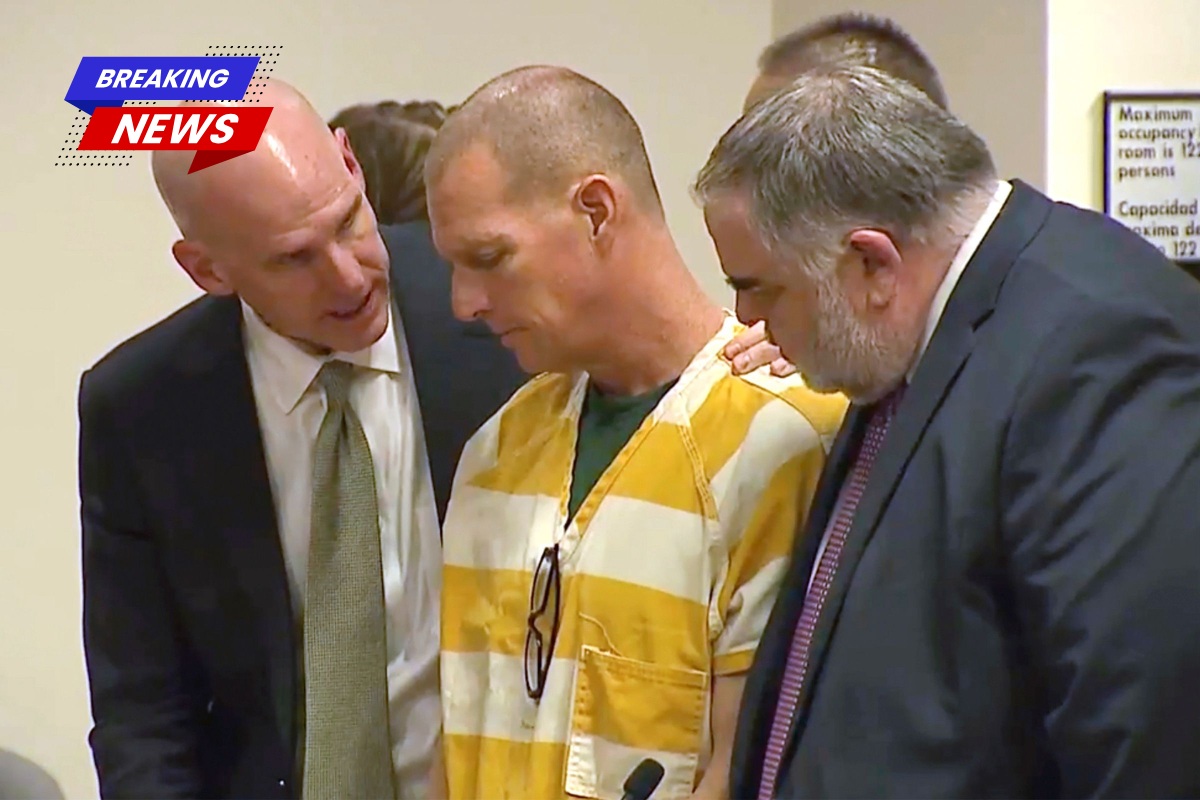
The Colorado Court of Appeals has overturned homicide convictions against two paramedics involved in the 2019 death of Elijah McClain, a case that became a national symbol in the debate over police accountability, racial justice, and the use of ketamine during law enforcement encounters. The ruling orders new trials on the homicide charges while allowing one assault conviction to remain in place.
Appeals Court Reverses Homicide Convictions
On Thursday, the Colorado Court of Appeals reversed criminally negligent homicide convictions against paramedics Jeremy Cooper and Peter Cichuniec.
The court determined that jurors in the original trial received flawed instructions regarding the homicide charges. As a result, the appeals court ordered new trials for both men on those counts.
However, the court upheld Cichuniec’s separate conviction for second-degree felony assault.
The decision marks a significant development in one of Colorado’s most closely watched criminal cases.
Elijah McClain’s Death Sparked National Attention
Elijah McClain was a 23-year-old massage therapist who died after an encounter with police and paramedics in Aurora, Colorado, in August 2019.
Police stopped McClain while he was walking home from a convenience store after receiving a report about a suspicious person.
During the encounter, officers restrained McClain and placed him in a neck hold. Paramedics later arrived and administered ketamine after determining he was experiencing what they described as excited delirium.
McClain later suffered cardiac arrest and died several days afterward.
His final words, including “I can’t breathe,” gained national attention and became associated with broader protests against police violence and racial injustice that followed in 2020.
Rare Criminal Prosecution of Paramedics
Criminal charges against paramedics and emergency medical personnel in police custody cases are uncommon.
Because of that, the prosecution of Cooper and Cichuniec attracted attention from emergency response agencies across the country.
The case also intensified scrutiny surrounding the use of ketamine by first responders during encounters involving individuals who are being physically restrained.
Medical experts, civil rights advocates, and law enforcement agencies have debated the safety and appropriateness of using the sedative in such situations.
Original Convictions in 2023
A jury convicted Cooper and Cichuniec of criminally negligent homicide in 2023 after a lengthy trial.
Jurors concluded that the paramedics acted negligently in their treatment of McClain and that their actions contributed to his death.
Additionally, Cichuniec was convicted of second-degree felony assault.
Following the verdicts, Cooper received a sentence of 14 months in jail combined with probation and work-release privileges.
Cichuniec was sentenced to five years in prison.
One Conviction Remains Intact
Although the appeals court overturned the homicide convictions, it left Cichuniec’s assault conviction unchanged.
The court’s ruling means prosecutors may pursue new homicide trials while the assault conviction remains part of the case.
Legal experts note that appellate courts generally overturn convictions only when they determine significant legal errors may have affected the outcome of a trial.
In this instance, the court found problems with the instructions jurors received before deliberating on the homicide charges.
Earlier Sentence Reduction
Cichuniec’s prison sentence had already been reduced before the appeals ruling.
In 2024, a judge modified his punishment and replaced the remainder of his prison sentence with probation.
The judge cited unusual and extenuating circumstances, noting that Cichuniec was required to make rapid decisions while serving as the highest-ranking paramedic at the scene.
Under Colorado law, judges can modify certain sentences after a defendant has served a minimum period of incarceration.
Debate Over “Excited Delirium”
A central issue during the trial involved the diagnosis of excited delirium.
Defense attorneys argued that the paramedics followed the training they had received at the time when they administered ketamine to McClain.
They maintained that their actions were consistent with established protocols and also argued that prosecutors failed to prove the sedative directly caused McClain’s death.
However, the concept of excited delirium has become highly controversial.
Many medical experts and advocacy groups question whether the condition is scientifically valid, while critics argue it has sometimes been used to justify excessive force.
Since McClain’s death, Colorado officials have directed paramedics not to use excited delirium as a justification for administering ketamine.
Community Reactions to the Decision
The appellate ruling has generated strong reactions from those who have followed the case for years.
Supporters of McClain’s family expressed disappointment with the court’s decision and concern about what it means for accountability.
Community leaders and activists have argued that the case remains a critical test of how the justice system responds when deaths occur during encounters involving law enforcement and emergency responders.
Others have pointed to the importance of ensuring that criminal convictions are based on legally sound trials and proper jury instructions.
Case Returns to Lower Court
The appellate ruling sends the homicide charges back to a lower court for further proceedings.
Prosecutors must now decide whether to pursue new trials against Cooper and Cichuniec on the criminally negligent homicide allegations.
The decision ensures that legal proceedings surrounding McClain’s death will continue years after the incident first occurred.