A federal judge has blocked an executive order issued by Florida Governor Ron DeSantis that labeled a major Muslim civil rights organization as a terrorist group. The court ruling said the governor’s action violated constitutional protections, particularly the First Amendment.
The decision temporarily stops the enforcement of the order while the legal case continues.
Federal Judge Blocks DeSantis’ Executive Order
U.S. District Judge Mark Walker issued a preliminary injunction on Wednesday preventing Florida from enforcing the executive order against the Council on American-Islamic Relations (CAIR).
The judge ruled that the order raised serious constitutional concerns and could not remain in effect while the case moves forward in court.
A preliminary injunction means the policy is paused until the court reaches a final decision on the legal challenge.
DeSantis Order Labeled CAIR a Terrorist Organization
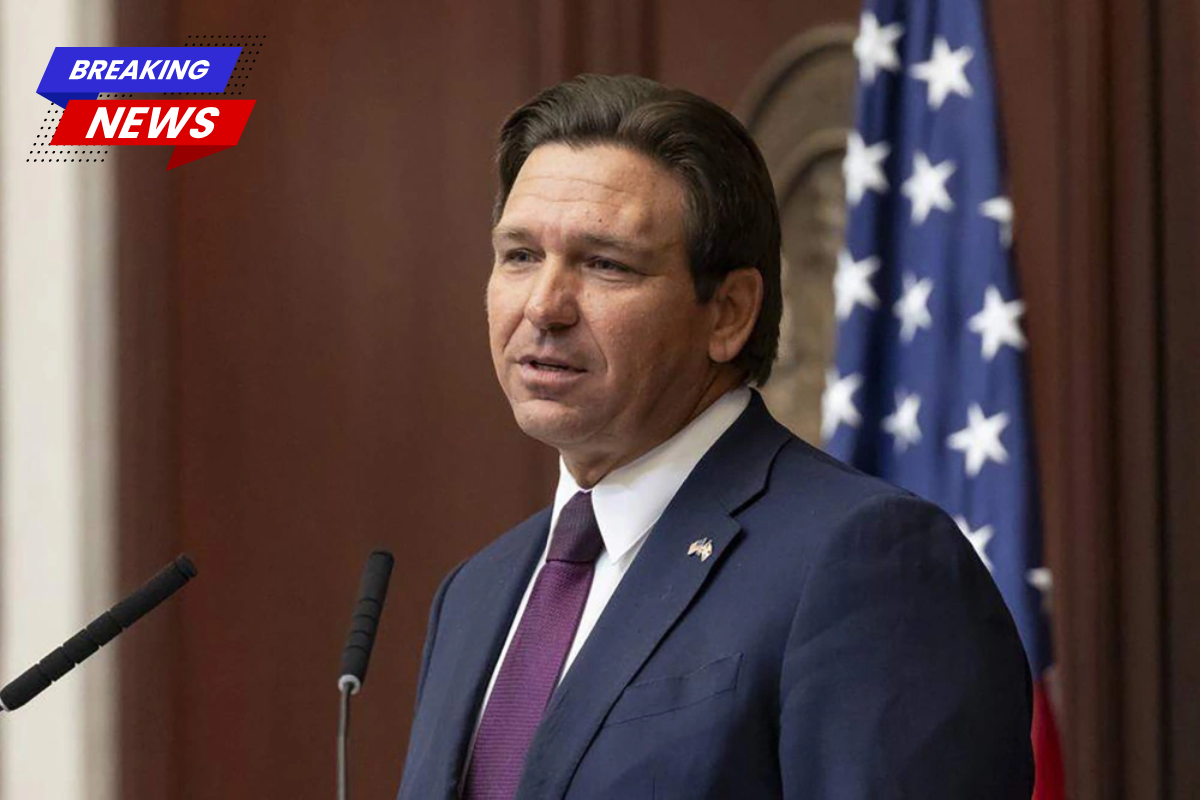
Governor Ron DeSantis issued the executive order on December 8.
In the order, CAIR was labeled a “terrorist organization.” The designation would have prevented the group from receiving:
- Government contracts
- State funding
- Employment opportunities connected to the government
- Other public benefits or privileges
The order also discouraged other organizations from working with CAIR due to the potential loss of government benefits.
Judge Says Order Violates First Amendment Rights
Judge Walker wrote in his ruling that the executive order represented a misuse of government power.
According to the court decision, the order pressured outside groups to distance themselves from CAIR or risk losing government support.
The judge said such actions could suppress protected speech and limit freedom of expression.
Walker stated that the First Amendment protects the organization’s right to speak and operate without government interference.
Court Cites Historic Religious Freedom Principles
In his decision, Judge Walker referenced an important historical document connected to American religious freedom.
He cited a letter written in 1790 by President George Washington to a Jewish congregation in Rhode Island. The letter emphasized that the United States protects religious minorities and guarantees freedom of belief.
The judge said the Constitution continues to protect those same principles today.
Florida Officials Respond to the Ruling
The governor’s office criticized the court decision shortly after it was announced.
DeSantis’ communications director released a statement arguing that the judge was using the court to make a political statement.
The statement claimed judicial ethics rules should prevent judges from taking actions that appear politically motivated.
Background on the Judge
Judge Mark Walker was nominated to the federal bench by former President Barack Obama in 2012.
The U.S. Senate confirmed his appointment with a unanimous vote of 94-0.
He currently serves as a federal judge in Florida.
CAIR Responds to the Court Decision
Leaders of the Council on American-Islamic Relations welcomed the ruling.
CAIR Executive Director Nihad Awad thanked legal teams, supporters, and community members who supported the lawsuit against the executive order.
Awad said the decision was an important reminder that constitutional protections remain strong despite political challenges.
He also emphasized that the case involved broader issues such as freedom of speech, religious liberty, and civil rights.