
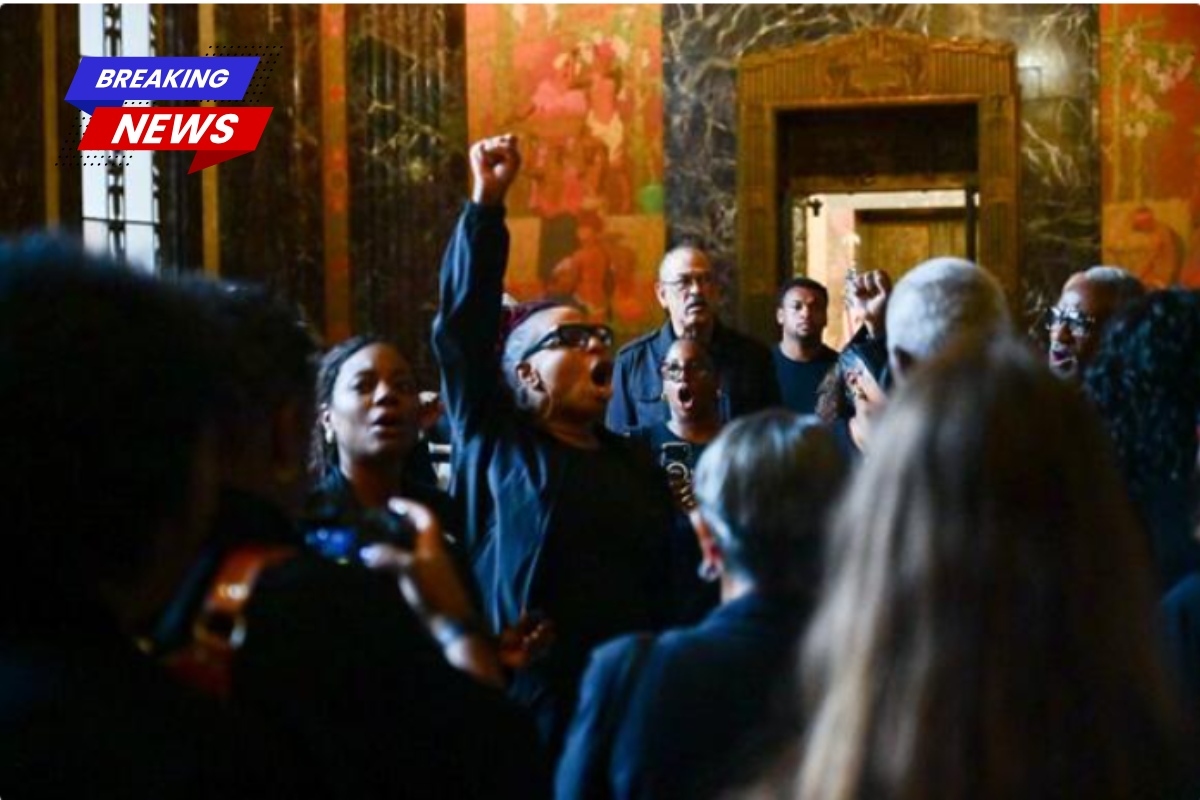
The Louisiana House voted 66-35 on Thursday, May 28, to approve its final version of a new congressional map. The redistricting plan would give Republicans majorities in five of the state’s six congressional districts, drawing criticism from Democrats and constituents.
Heated Debate Over New Map
The House passed amended Senate Bill 121 after eight hours of floor debate, with protesters outside chanting “shame, shame, shame” following the vote. Democratic lawmakers argued that the map redraws the current 4-2 configuration to favor Republicans, eliminating one of the state’s two Democratic districts in Baton Rouge and New Orleans.
Rep. Wilford Carter, a Democrat from Lake Charles, compared the map to relitigating the Civil War, saying it ignored historical injustices and represented a step backward for fair representation.
Republican Defense of the Map
The bill, authored by Sen. Jay Morris, R-West Monroe, and presented in the House by Rep. Beau Beaullieu, R-New Iberia, was defended as legal under the U.S. Supreme Court’s April 29 decision in Callais v. Louisiana. That ruling declared the state’s previous congressional map an unconstitutional racial gerrymander, forcing a redraw.
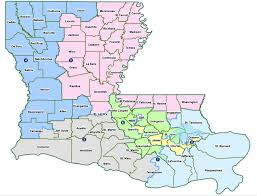
Beaullieu argued that the map strengthens Republican influence and protects incumbents, including House Speaker Mike Johnson and Majority Leader Rep. Steve Scalise. He said the map was drawn based on politics rather than race, complying with constitutional requirements, and avoids over-consolidating Republican districts to maximize overall voter strength.
Failed Democratic Amendments
Democrats offered three amendments during debate, all of which failed along party lines. Rep. Kyle Green proposed an east-to-west map focusing on population equality and community interests without considering race or party, but it failed 31-70. Rep. Denise Marcelle and Rep. Rodney Lyon also introduced alternative maps emphasizing fairness, but both were rejected.
Democrats criticized the process as prioritizing partisan advantage over voter representation. Rep. Aimee Freeman of New Orleans said lawmakers should not focus on protecting incumbents, calling it “shameful.” Rep. Mandie Landry questioned the population figures used in the amended map, noting they were nearly 500,000 voters short of official counts.
Potential Legal Challenges
The revised map eliminates District 6, held by U.S. Rep. Cleo Fields, leaving U.S. Rep. Troy Carter in District 2 as the state’s remaining Democratic representative. Republican U.S. Rep. Clay Higgins also criticized the map, calling it a “Frankenstein” drawn in secret.
The Callais plaintiffs warned that they may file suit if the Legislature does not fully comply with the Supreme Court ruling by eliminating both Democratic districts. The legislative session ends Monday, June 1, 2026.
Public Protests and Reactions
Constituents wearing “Black Voters Matter” shirts protested in the Capitol atrium, chanting about protecting democracy and holding lawmakers accountable. The new map sets the stage for significant political shifts in Louisiana ahead of the 2026 midterms.






