A major development in U.S. trade policy has created huge discussion after reports claimed that businesses could receive one of the largest refunds in American history.
The issue revolves around tariffs imposed during the administration of Donald Trump and a recent court decision that questioned their legality. If fully implemented, the refunds could total an estimated $166 billion, making it a historic financial shift.
Massive Tariff Refund Process Begins
According to reports, the refund process is being handled by U.S. Customs and Border Protection (CBP), which began the first phase of claims on April 20 at 8 p.m. ET.
This comes after a Supreme Court ruling earlier in 2026 that found the legal basis for certain tariffs was invalid. The court said the International Emergency Economic Powers Act did not give the president authority to impose tariffs. Instead, that power belongs to Congress.
Following this decision, lower courts ordered the government to reverse the tariffs and return the money collected, along with interest.
$166 Billion Across Millions of Shipments
The scale of the refunds is massive. Court filings show that:
- More than 330,000 importers are affected
- Over 53 million shipments were involved
- The total amount collected in tariffs is about $166 billion
This makes it one of the largest refund efforts ever seen in the United States.
How Businesses Can Claim Refunds
Importers can apply for refunds through the Automated Commercial Environment (ACE) portal. A new tool called the Consolidated Administration and Processing of Entries (CAPE) has been introduced to manage the process.
Through CAPE, businesses must submit details of shipments for which they are claiming refunds. Once verified, CBP will recalculate the duties without the invalid tariffs and issue repayments.
Most refunds are expected within 60 to 90 days, although more complex cases may take longer.
Challenges in Processing Claims
CBP has already warned that the number of claims is “unprecedented.” The system was not originally designed to handle such a large volume.
Because of this:
- Some claims may require manual processing
- Delays are likely, especially for complicated cases
- Refunds will be processed in phases
The first phase focuses on unliquidated entries and shipments within 80 days of final accounting.
Understanding Tariffs and Their Role
Tariffs are taxes placed on imported goods. They are calculated as a percentage of the product’s value and collected when goods enter the country.
The U.S. tariff system is managed through the Harmonized Tariff Schedule, which decides duty rates based on product categories.
While Congress holds the main authority to impose tariffs, presidents can make adjustments under specific laws like the Trade Expansion Act of 1962 and the Trade Act of 1974.
Economic Impact of Tariffs
Tariffs have wide effects on the economy. They can:
- Increase prices for consumers
- Raise costs for businesses that depend on imports
- Protect domestic industries by reducing foreign competition
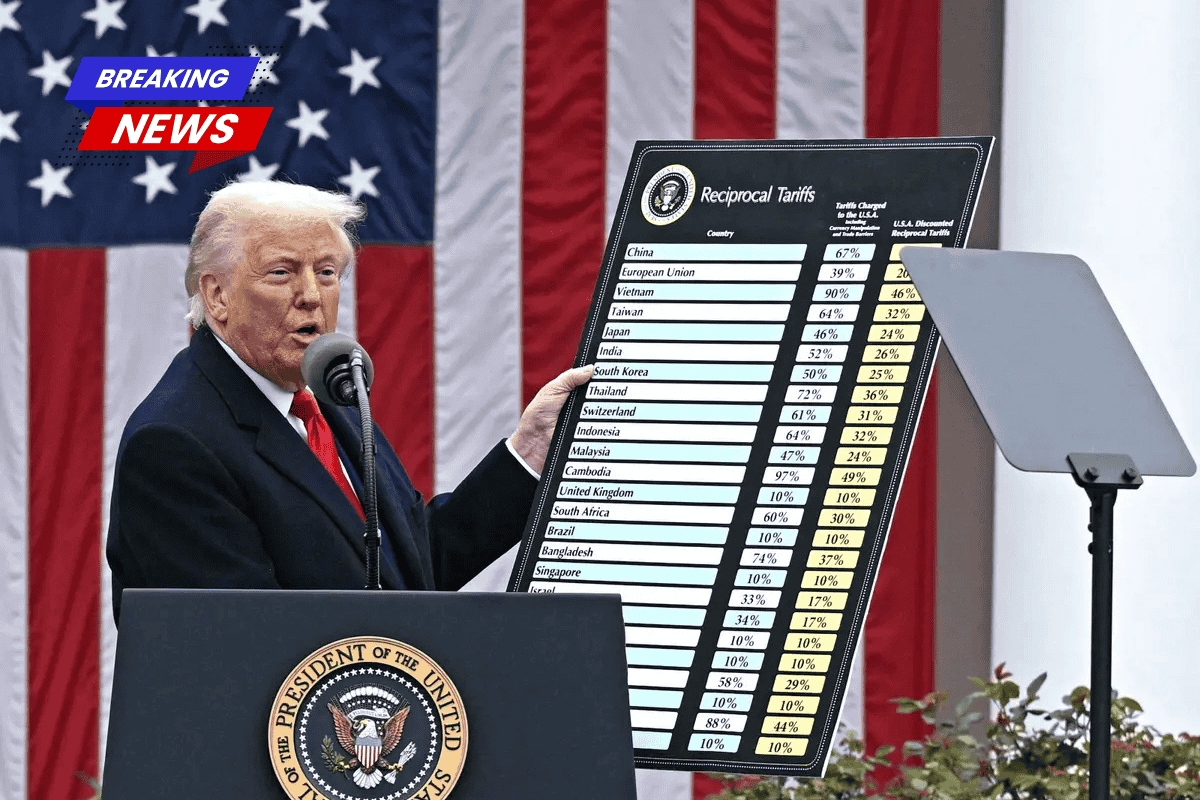
However, they can also lead to trade conflicts. During Trump’s presidency, tariffs on steel, aluminium, and Chinese goods led to retaliation from countries like China and the European Union.
Why the Refund Matters
The $166 billion refund is not just about returning money. It represents a correction of a policy that courts have said should not have been implemented in the first place.
For businesses, this could mean recovering large amounts of money that were previously lost. This could help them invest, hire workers, or reduce prices.
For the economy, it could bring fresh cash flow into the market, potentially benefiting both companies and consumers.
Limits of Presidential Power Highlighted
The Supreme Court’s ruling also sends a strong message about the limits of presidential authority. It clearly states that trade decisions like tariffs cannot be made without proper approval from Congress.
This could affect how future administrations approach trade policy, making them more cautious when using emergency powers.