
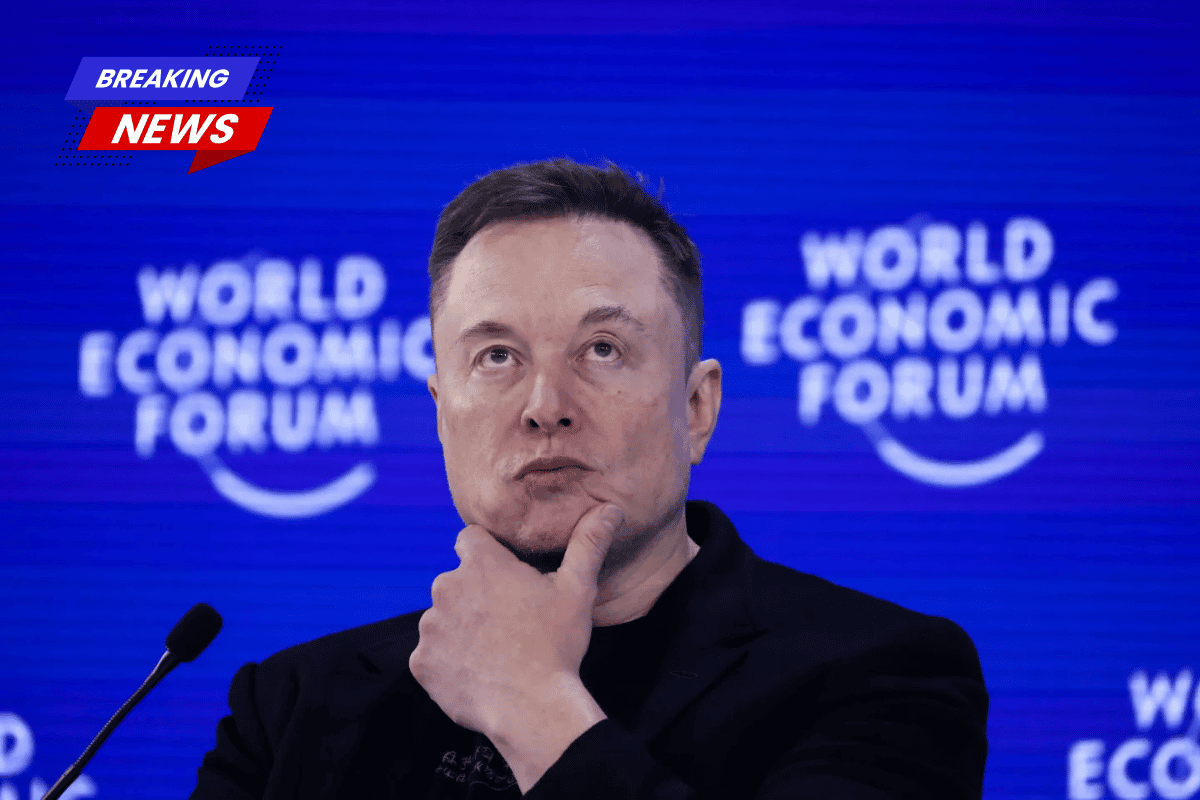
Elon Musk has stirred controversy with his bold claims about the future, suggesting that saving for retirement is unnecessary due to the impending transformation of society brought on by AI, robotics, and advanced energy technologies.
In a January interview on the Moonshots with Peter Diamandis podcast, Musk shared his vision of a world where scarcity no longer exists, and the traditional concept of retirement is rendered meaningless.
Musk’s Vision of the Future
Musk, who is known for his optimistic outlook, explained that by 2030, AI would surpass “the intelligence of all humans combined,” making traditional jobs obsolete. In this future, he believes humanoid robots will outnumber humans on Earth, with jobs—especially in white-collar sectors—disappearing rapidly.
“Anything short of shaping atoms, AI can do probably half or more of those jobs right now,” Musk stated, emphasizing that these technological advances would lead to productivity increases on such a scale that society would enter a state of “abundance.”
In Musk’s future world, the link between individual wages, savings, and living standards would be irrelevant. People, he predicts, will no longer need to worry about saving for retirement because “anything you could possibly want” will be provided. Instead of a universal basic income, Musk envisions a “universal ‘you can have whatever you want’ income,” eliminating the need for savings altogether.
AI and Healthcare: A New Era of Abundance
Musk goes further, suggesting that advancements in AI will allow people to receive far better medical care than what’s currently available within the next five years. He also predicts that there will be no limits on the availability of goods, services, or educational opportunities, essentially eliminating the traditional constraints that drive people to work and save.
In this vision, work would no longer be a necessity. Musk previously compared the future of work to leisure activities like playing sports or video games. People would have the option to work if they desired, but it would be akin to hobbies—something done out of interest, not necessity.
“If you want to work, it’s the same way you can go to the store and buy vegetables, or you can grow vegetables in your backyard,” Musk explained. “It’s much harder to grow vegetables in your backyard, and some people still do it because they like growing vegetables.”
The Reality of Today’s Financial Struggles
While Musk’s vision of a post-scarcity society may sound appealing, many Americans are struggling to save for their futures. Inflation and weak wage growth have left many without sufficient emergency savings, and surveys show that a large portion of Americans are behind on their retirement savings.
According to a survey by the Federal Reserve, only 55% of American adults have an emergency fund covering three months of expenses, down from 59% in 2021. Less than half of those surveyed could cover a $2,000 emergency expense with their savings. These financial struggles paint a stark contrast to Musk’s optimistic vision of a future where scarcity is eliminated.
Potential Downsides: A Crisis of Meaning?
Despite his optimistic outlook, Musk is not blind to the potential downsides of a society where people no longer need to work. He cautions that a high universal income could lead to social unrest and a crisis of meaning, as people struggle to find purpose without the need to earn a living.
“If you actually get all the stuff you want, is that actually the future you want?” Musk questioned. “Because it means that your job won’t matter.”
As Musk’s predictions continue to spark debate, the idea of a future with AI and robotics reshaping the workforce raises important questions about the value of work, purpose, and financial security in a rapidly changing world.






