
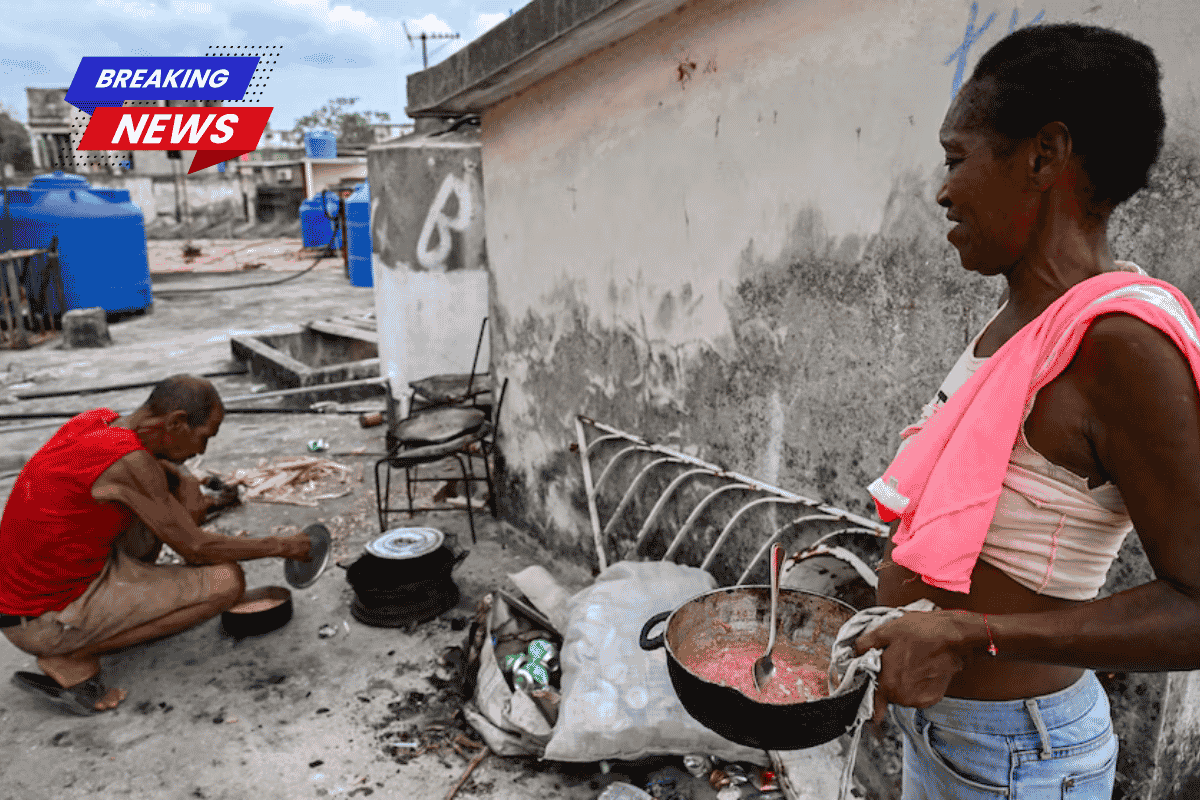
Cuba is facing a rapidly escalating crisis as dwindling oil supplies and a failing electrical grid disrupt daily life across the island. Experts warn that the combination of fuel shortages, aging infrastructure, and U.S.-imposed sanctions has pushed the country toward what some are calling a humanitarian emergency.
Worsening Energy Crisis in Cuba
The U.S. embassy in Cuba issued a security alert on Thursday, warning that the national electrical grid is “increasingly unstable.”
Residents across Cuba, including in Havana, are experiencing daily power outages, both scheduled and unexpected. These blackouts affect:
- Water supply
- Lighting in homes and public spaces
- Refrigeration for food and medicine
- Communications
Fuel shortages are also creating long lines at gas stations and halting transportation. Cuban Minister of Energy and Mines Vicente de la O Levy confirmed that fuel reserves have run out, resulting in blackouts exceeding 20 hours in Havana.
“We have absolutely no fuel; we have absolutely no diesel,” Levy said.
How the Crisis Began
The current energy emergency traces back to January 3, when the U.S. captured Venezuelan President Nicolas Maduro and his wife, prompting Venezuela to halt oil shipments to Cuba.
- Venezuela previously supplied around 24% of Cuba’s daily oil needs, about 26,500 barrels per day.
- Cuba produces roughly 40% of its oil domestically, mostly heavy oil that damages infrastructure and worsens grid reliability.
About 80% of Cuba’s electricity comes from natural gas-powered plants, with the remaining 20% from renewable energy, including solar.
The situation worsened after President Donald Trump declared a national security emergency on January 29, threatening sanctions on countries supplying oil to Cuba. The executive order cited Cuba’s support for “hostile countries, transnational terrorist groups, and malign actors.”
Impact on Daily Life and Economy
The energy crisis has halted much of Cuba’s economy:
- Grocery store shelves are nearly empty.
- Hospitals struggle to function without reliable electricity.
- Agricultural production, marine vessels, and trucking have stalled.
Experts warn of potential mass starvation, as Cuba imports 70–80% of its food. Electricity outages disproportionately affect eastern regions, where infrastructure was damaged by Hurricane Helena in September 2024.
Alejandro de la Fuente, chair of Harvard’s Cuba Studies Program, called the situation “borderline desperate,” noting families may only get two hours of electricity in a 36-hour period.
Public Protests and Social Unrest
The crisis has sparked public protests, particularly in Havana. Video footage shows fires and confrontations with police.
- The U.S. embassy warns Americans to avoid large gatherings and conserve fuel, water, and phone charge.
- Experts say protests are a sign of social strain and could escalate if the crisis continues.
International and Political Reactions
- CIA Director John Ratcliffe met with Cuban officials to discuss economic stability, intelligence cooperation, and regional security.
- Cuban Foreign Minister Bruno Rodriguez warned that U.S. policies could lead to a “bloodbath in Cuba.”
- Experts stress that a resolution is urgently needed to prevent further humanitarian and social crises.






