A New York City Department of Transportation employee is facing criminal charges after a fatal crash in Queens that claimed the life of a 31-year-old mother of two. While the criminal case is now moving through the courts, the tragedy has also drawn attention to the legal challenges families face when seeking compensation from government agencies after a deadly accident.
DOT Employee Charged in Fatal Queens Crash
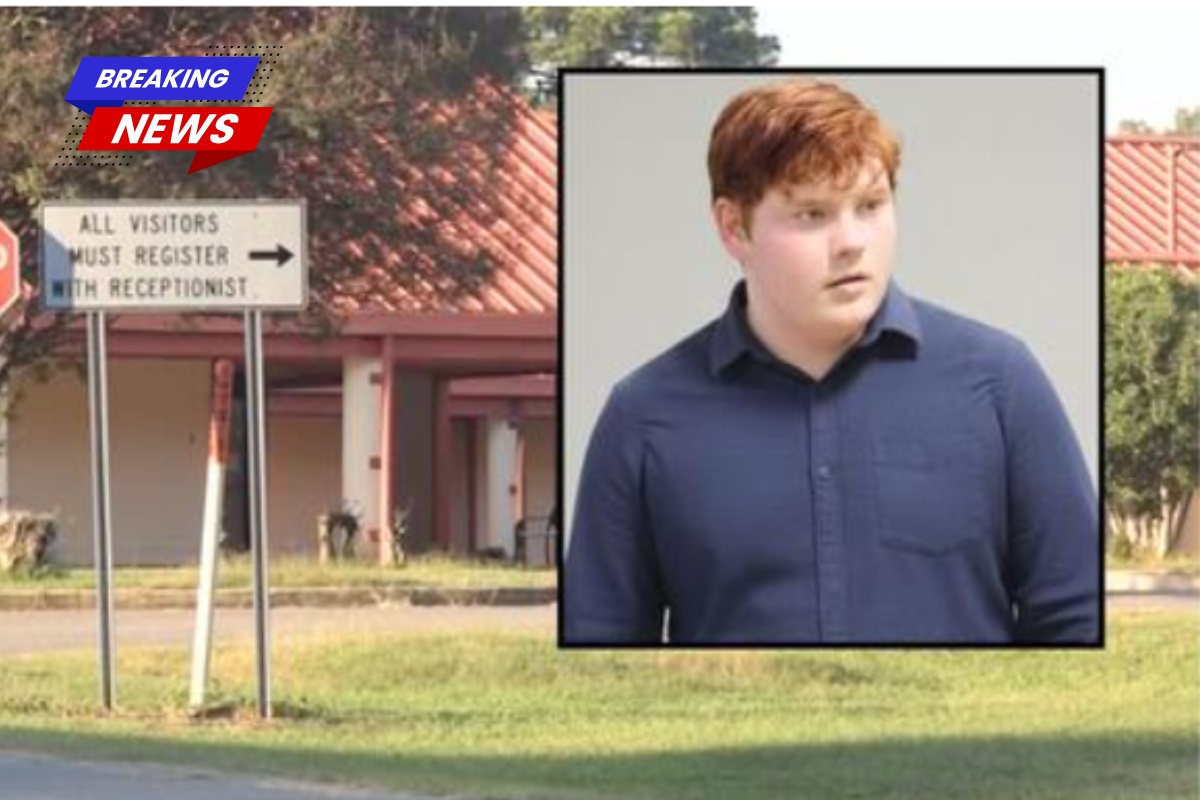
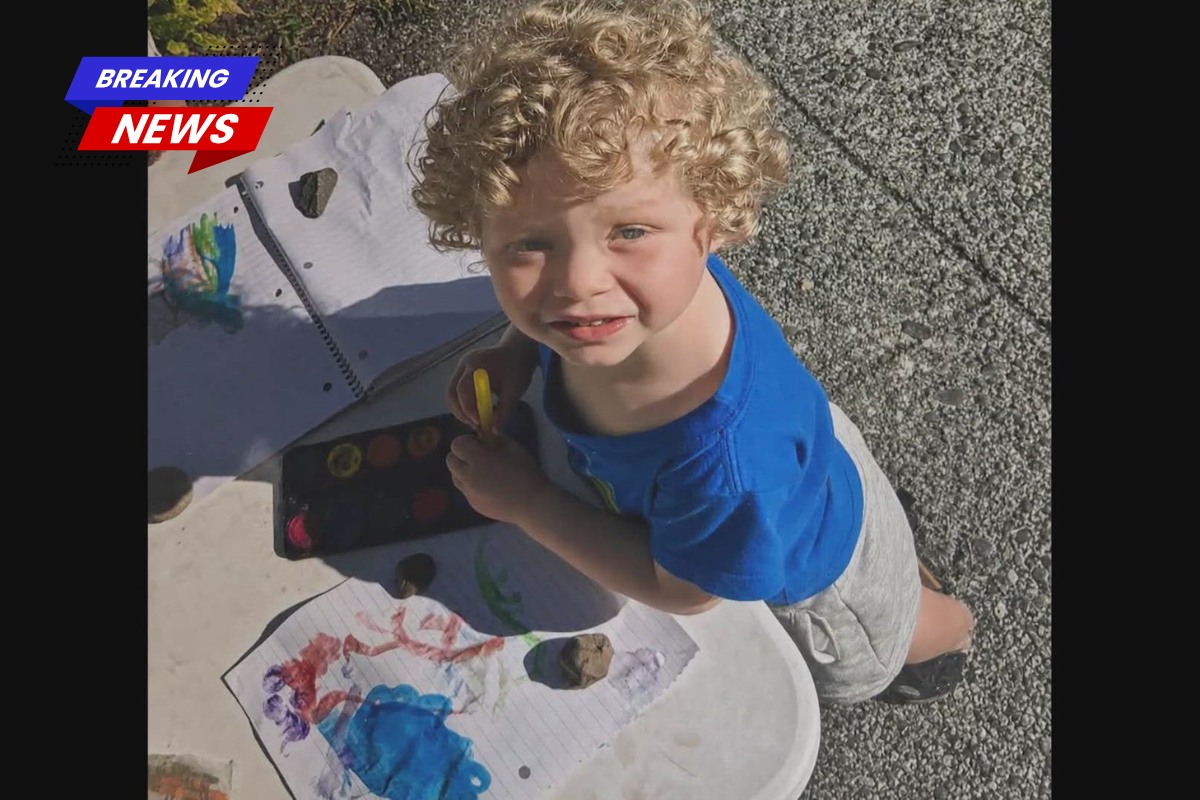
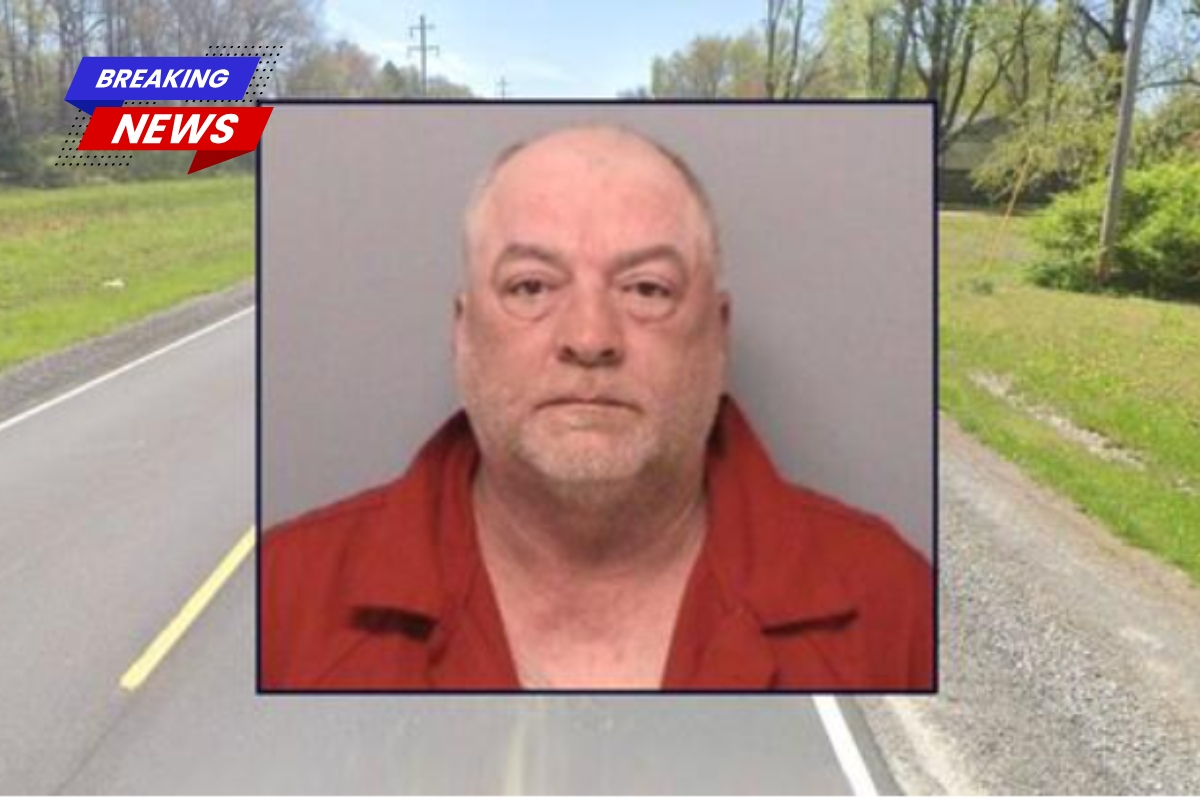
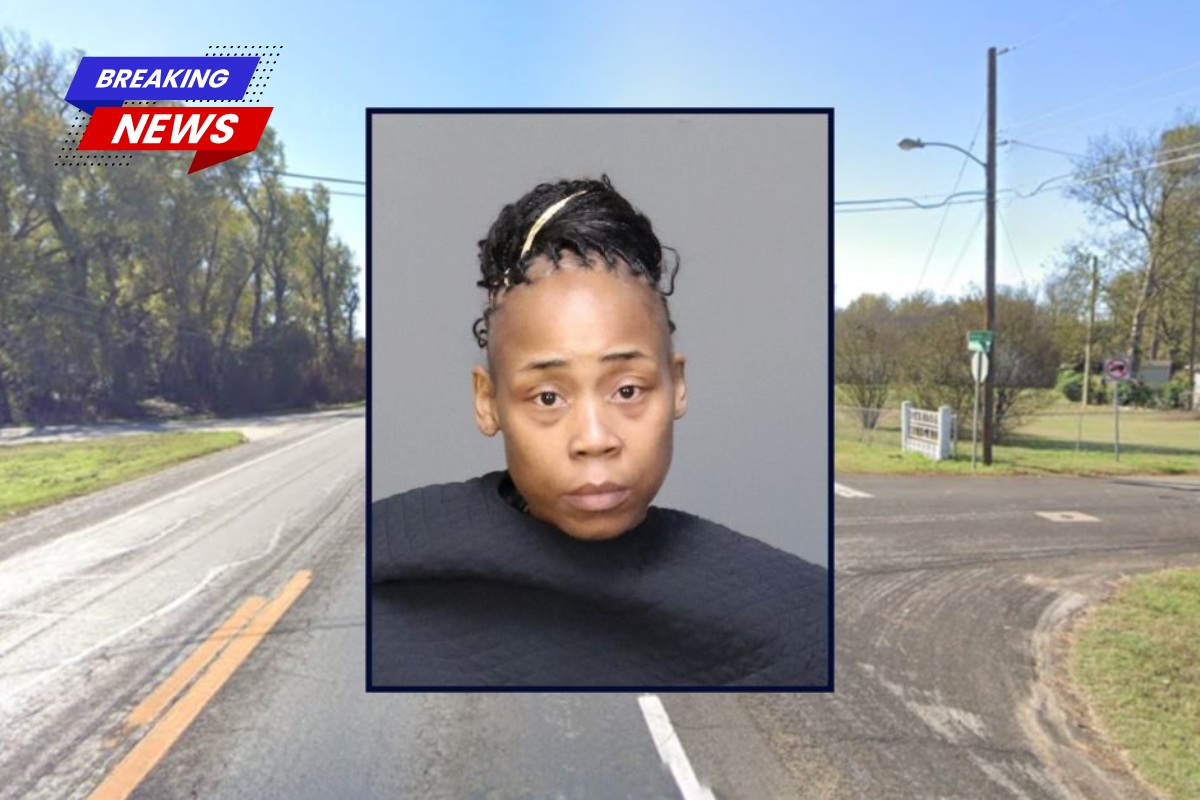
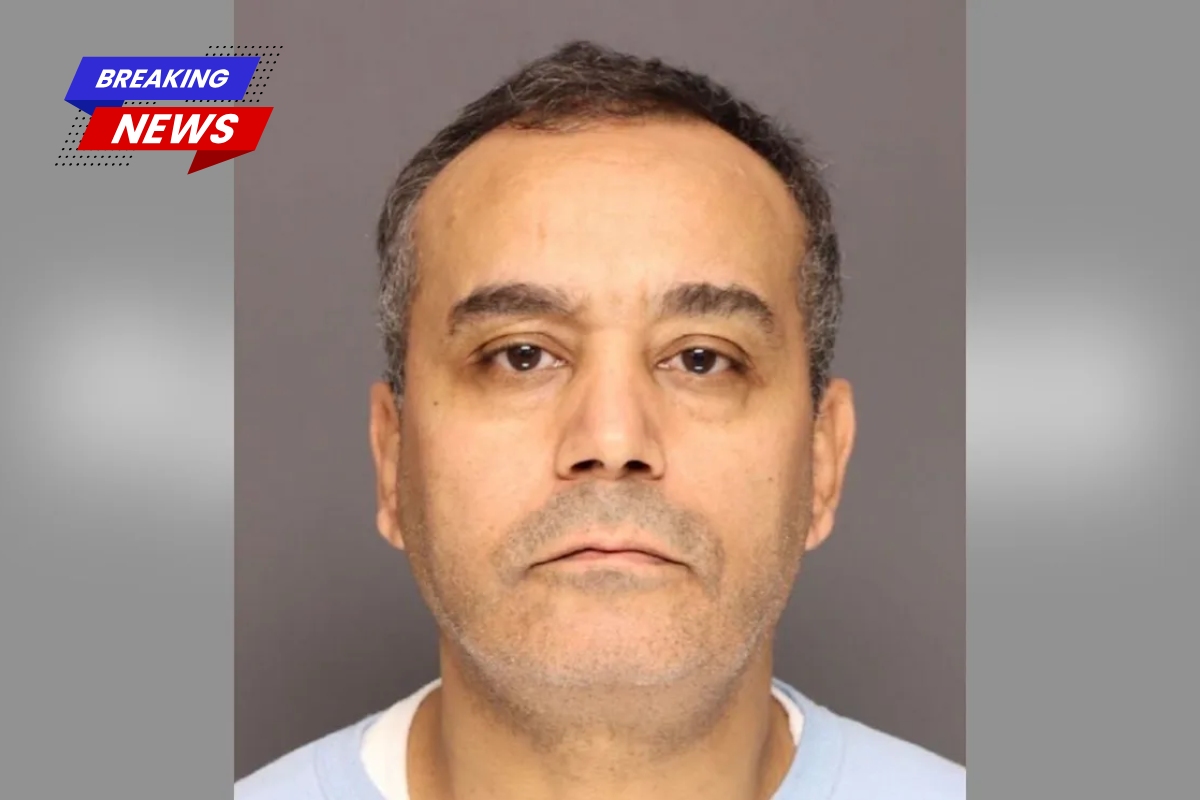
Jonathan Adorno, a New York City Department of Transportation employee, was arrested in connection with a crash that occurred on March 10 in Queens. The incident resulted in the death of 31-year-old Nilufar Komilova, a mother of two.
According to investigators, Adorno was driving a Mack dump truck and making a right turn when he struck Komilova while she was crossing the street in a marked crosswalk.
Following an investigation, the Queens District Attorney’s Office filed misdemeanor charges against Adorno, including failure to exercise due care and failure to yield to a pedestrian.
The criminal case remains ongoing, and the allegations have not yet been proven in court.
Understanding the Criminal Charges
Under New York law, drivers are required to exercise reasonable care while operating a vehicle. This legal duty becomes especially important in busy urban environments where pedestrians, cyclists, and vehicles frequently share crowded streets.
Authorities allege that Adorno failed to meet that standard and did not yield to a pedestrian who had the right of way.
To secure a conviction, prosecutors must prove the charges beyond a reasonable doubt, which is the highest burden of proof used in the American legal system.
If convicted, Adorno could face penalties that may include fines, probation, or a short jail sentence, depending on the outcome of the case and the court’s decision.
Criminal Case Does Not Provide Compensation
Although criminal charges can result in accountability for the accused, they do not automatically provide financial support to the victim’s family.
The primary goal of the criminal justice system is to determine whether a crime occurred and, if so, impose appropriate punishment. Financial recovery for surviving family members is generally handled through the civil court system.
For Komilova’s family, any effort to recover compensation would require a separate legal action.
Family May Pursue a Wrongful Death Claim
In addition to the criminal case, Komilova’s family may have the option of filing a wrongful death lawsuit seeking compensation for their losses.
A wrongful death claim can provide financial recovery for expenses and damages resulting from a loved one’s death. These claims often seek compensation for funeral costs, lost future income, loss of parental support, and other financial hardships experienced by surviving family members.
However, pursuing a claim becomes more complicated when the defendant is a government agency or public employee acting within the scope of their duties.
Special Rules Apply When Suing a Government Agency
Unlike lawsuits against private individuals, claims involving municipalities are governed by strict legal procedures and deadlines.
One of the most important requirements is the filing of a Notice of Claim. Under New York law, families seeking compensation from a city agency generally must submit this document within 90 days of the incident.
The Notice of Claim informs the government entity about the allegations and gives officials an opportunity to investigate before a lawsuit is filed.
Missing this deadline can seriously affect a family’s ability to pursue compensation.
Important Deadlines Can Affect Legal Rights
Cases involving government entities often have shorter filing deadlines than ordinary personal injury or wrongful death lawsuits.
These strict timelines mean families must act quickly if they intend to pursue legal action. Courts generally enforce these deadlines strictly, making early legal guidance important for preserving potential claims.
Because every case involves unique facts and legal issues, families often seek professional legal advice to understand their options and avoid procedural mistakes.
Challenges of Civil Cases Against Municipalities
Bringing a claim against a city government can involve additional legal hurdles beyond filing deadlines.
Government agencies often have extensive procedures for handling claims and requests for records. Obtaining evidence such as employee records, vehicle maintenance information, training documents, and internal investigations may require lengthy legal processes.
Questions involving government immunity protections and agency responsibility can also make these cases more complex than lawsuits involving private individuals.
These factors often lead to longer investigations and more complicated legal proceedings.
Pedestrian Safety Remains a Growing Concern
The fatal crash has also renewed attention on pedestrian safety in New York City. Traffic safety advocates have expressed concerns about rising pedestrian deaths and serious injuries in recent years.
Busy intersections, large commercial vehicles, and heavy traffic continue to create risks for pedestrians, particularly in densely populated urban areas.
Officials and advocacy groups have repeatedly called for stronger safety measures, improved street design, and increased awareness among drivers to help prevent future tragedies.