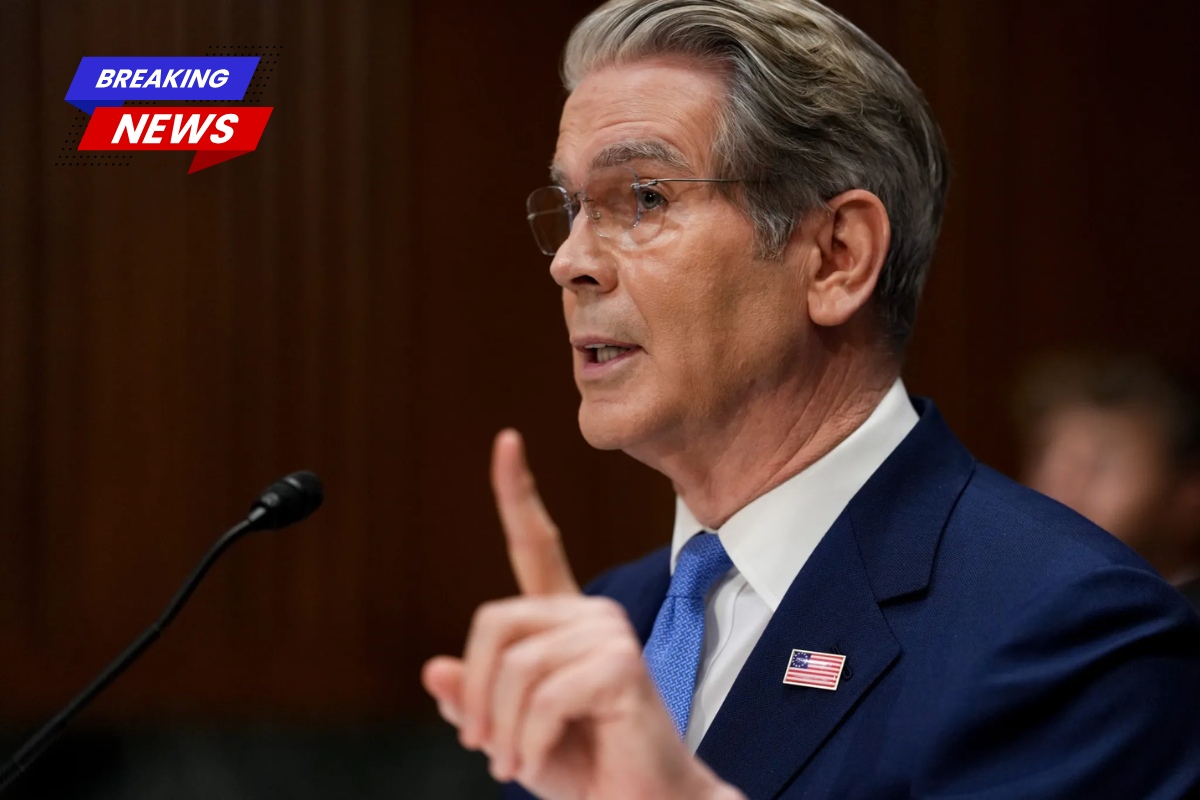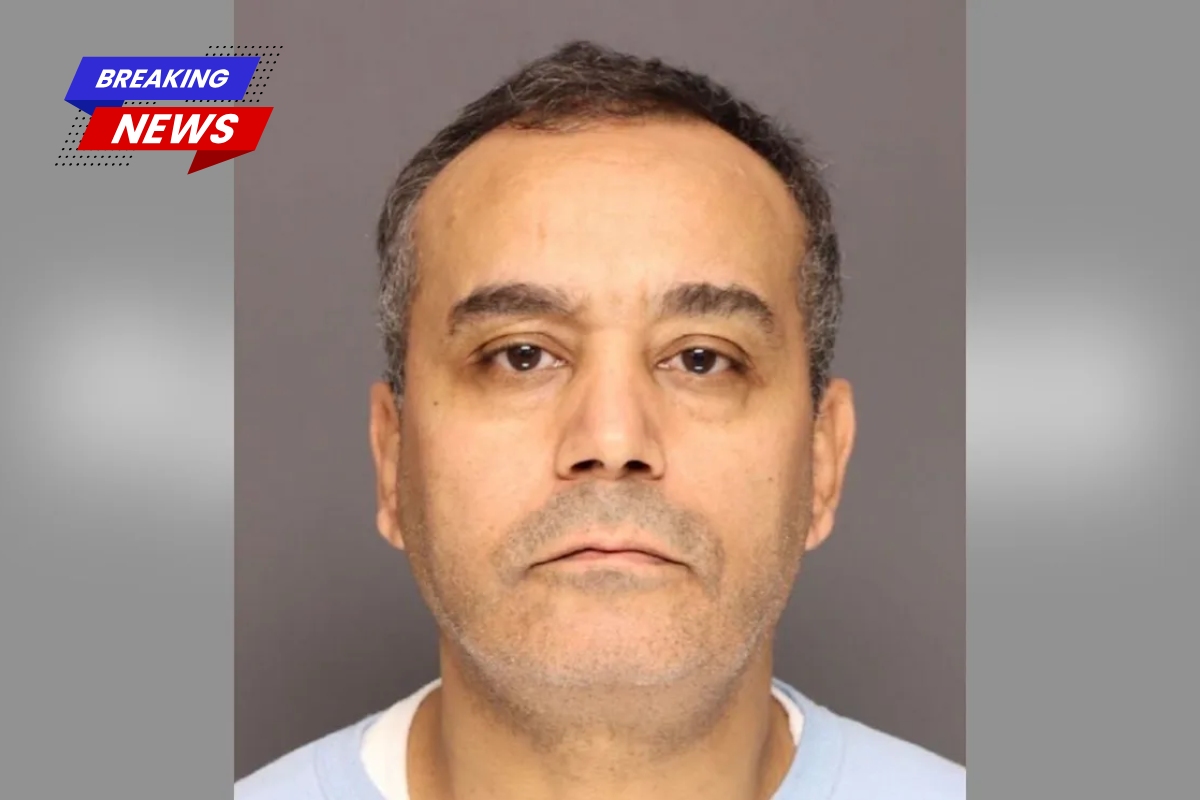
Pennsylvania Supreme Court Justice David Wecht announced this week that he is leaving the Democratic Party and becoming an Independent, citing concerns about what he described as growing antisemitism and anti-Jewish rhetoric within parts of the party.
Wecht, who was elected to the Pennsylvania Supreme Court as a Democrat in 2015, said in a public statement that he believes the Democratic Party has changed in ways that no longer align with his values.
David Wecht Leaves Democratic Party
Justice Wecht explained that his decision was influenced by what he called the party’s “acquiescence to Jew-hatred.” In his statement, he criticized some Democrats for allegedly minimizing or tolerating antisemitic behavior and rhetoric.
Wecht referenced incidents involving anti-Jewish chants, attacks on synagogues, and hateful language directed toward Jewish communities. He argued that these issues are not being addressed strongly enough by some political leaders and activists.
His departure leaves four Democrats on Pennsylvania’s seven-member Supreme Court bench.
The announcement has quickly drawn attention nationwide because it reflects growing tensions inside both major political parties regarding antisemitism, political extremism, and ideological divisions.
John Fetterman Responds to Wecht’s Decision
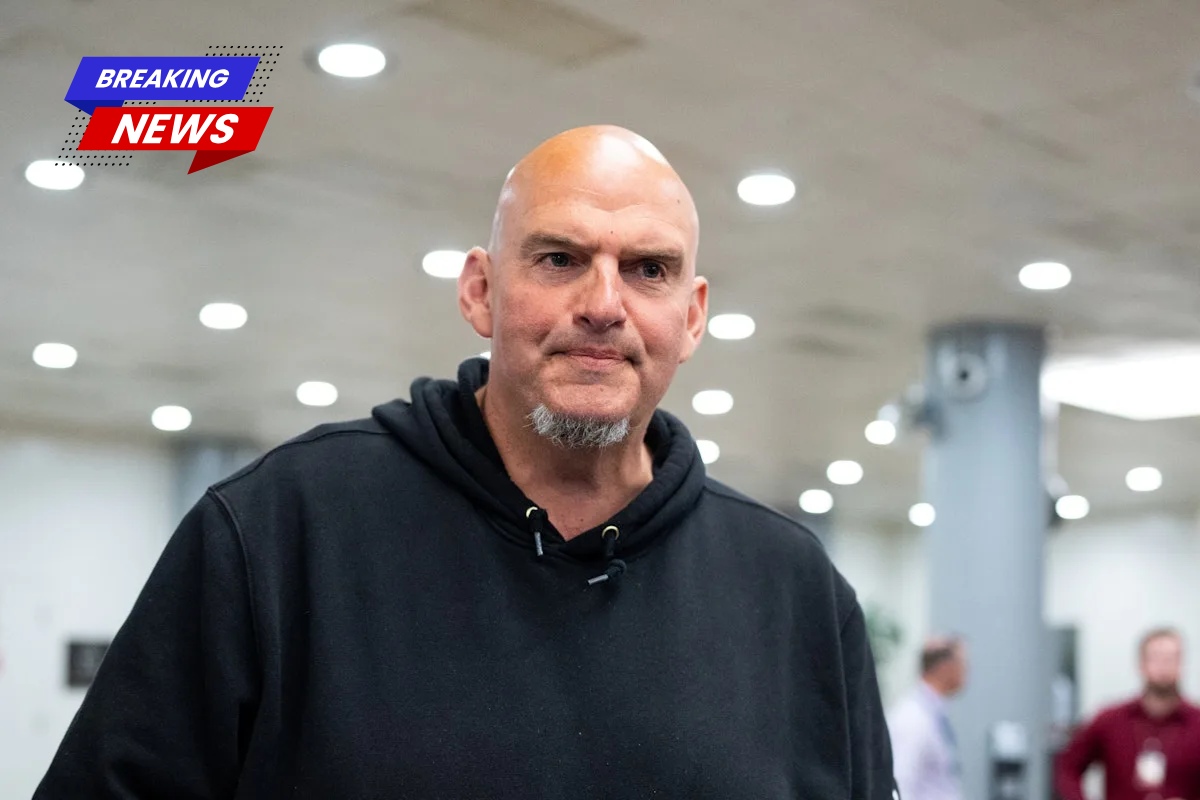
Pennsylvania Senator John Fetterman responded publicly to Wecht’s announcement on social media. Fetterman said he personally understands why the justice made the decision, even though he plans to remain a Democrat.
Fetterman wrote that he knows David Wecht and his family personally and acknowledged concerns about rising antisemitism within parts of the Democratic Party.
The senator added that the party must confront the issue seriously moving forward.
Fetterman has recently faced criticism from some progressive Democrats because of his support for several Trump administration policies and cabinet nominees. Earlier this year, the Monroe County Democratic Party even referred to him as a “traitor” over some of his political positions.
Political Divisions Continue to Grow
The controversy surrounding Wecht’s decision comes during a time of increasing political division across the United States.
Disagreements over antisemitism, free speech, protests related to the Israel-Hamas conflict, and ideological activism have created tension within political parties, universities, and public institutions.
Wecht specifically criticized what he views as growing tolerance for anti-Jewish rhetoric among certain activists and political figures. He also appeared to criticize Democratic Senate candidate Graham Platner in his statement.
At the same time, concerns about antisemitism have been raised by politicians from both parties. Republican Senator Ted Cruz recently warned that antisemitic views have become more visible among some younger Americans and within parts of the political right as well.
Fetterman Faces Ongoing Speculation
Fetterman’s response also renewed discussion about speculation that he could someday leave the Democratic Party himself.
Recent reports claimed President Donald Trump allegedly offered Fetterman political support and endorsements if he switched parties. However, Fetterman has publicly stated he is not planning to leave the Democratic Party.
Despite remaining a Democrat, Fetterman has increasingly positioned himself as more moderate on certain issues compared to some members of his party. His strong support for Israel and willingness to work with Republicans on some policies have made him a controversial figure among progressive activists.
Conservative attorney Ron Coleman reacted to Fetterman’s comments online by comparing his situation to Senator Joe Lieberman, a Democrat who later became politically isolated within his party over policy disagreements.
Debate Over Antisemitism in Politics Intensifies
Wecht’s decision has added to a growing national debate about antisemitism in American politics and public life.
Jewish organizations, political leaders, and advocacy groups across the political spectrum have raised concerns about increasing antisemitic incidents in recent years, including threats, harassment, vandalism, and violence targeting Jewish communities.
The issue has become especially politically sensitive following protests, online activism, and tensions linked to conflicts in the Middle East.
Political analysts say Wecht’s decision may further deepen conversations about ideological divisions within the Democratic Party, particularly regarding how leaders respond to antisemitism and political extremism.