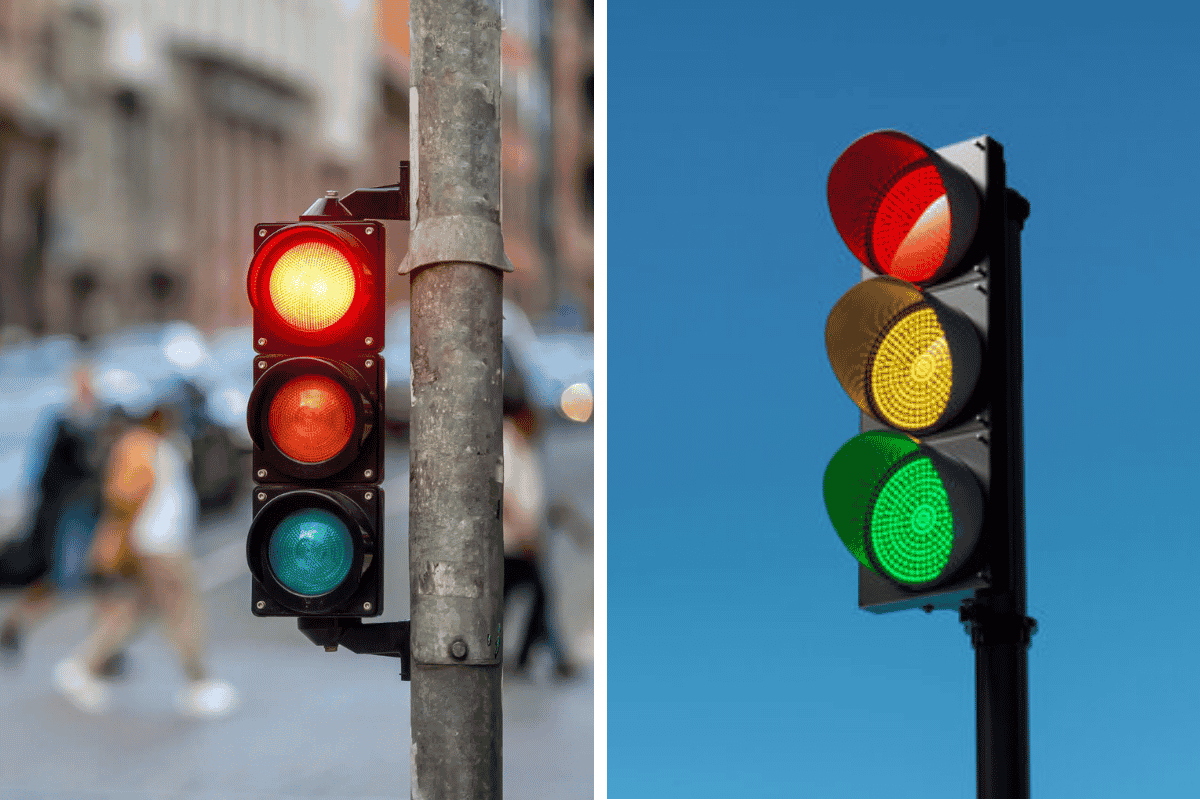
Florida maintains its longstanding right-on-red rule in 2026 with no statewide ban enacted. Drivers may still turn right at a red light after a full stop, unless a “No Turn on Red” sign prohibits it. This aligns with Florida Statute § 316.075(1)(c), unchanged from prior years despite legislative discussions.
Safety remains paramount, requiring yields to pedestrians, cyclists, and oncoming traffic.
Current Legal Requirements
Under § 316.075, approach the intersection, stop completely at the marked line or crosswalk, and check for signs. If clear, yield right-of-way before proceeding cautiously. Municipalities can post prohibition signs at high-risk spots like school zones or busy downtowns, overriding the default permission.
Left turns on red are allowed only from one-way streets onto another one-way street, following identical stop-and-yield rules. Red arrow signals follow the same protocol—stop first, then turn if safe and unsigned.
2026 Legislative Context
No major overhaul occurred in 2026; a proposed Senate Bill 1392 to restrict right turns at red-light camera intersections stalled without passage. Federal guidelines via the MUTCD still encourage right-on-red nationwide to avoid highway funding penalties, preserving Florida’s status quo.
Red-light cameras continue enforcing full stops, issuing citations for rolling turns but not legal right turns themselves. Local ordinances may vary slightly by city, like enhanced signage in pedestrian-heavy areas.
Step-by-Step Procedure
- Full Stop: Halt before the stop bar or crosswalk—rolling stops trigger tickets.
- Sign Check: Obey any “No Turn on Red” postings.
- Scan Intersection: Verify no pedestrians, bikes, or vehicles (including opposing left-turners with green arrows) have right-of-way.
- Proceed Safely: Use only the rightmost lane; signal and turn when clear.
Violations net 3 points, ~$125 fines, and insurance hikes.
Safety and Common Violations
Right-on-red reduces fuel use and idling but spikes pedestrian risks—Florida sees frequent T-bone crashes from failures to yield. Cameras at 100+ intersections caught thousands in 2025, a trend holding into 2026.
Best Practices for 2026 Drivers
Assume pedestrians are present, especially near crosswalks. In rain or night conditions, double-check visibility. Motorcyclists and cyclists get priority yields.
If injured by a violator, document for liability claims—negligent turns often prove fault. Driver courses mitigate points for first offenses.
Myths vs. Facts
- Myth: 2026 banned right-on-red statewide. Fact: No—only local signs restrict.
- Myth: Cameras ticket all right turns. Fact: Only non-stops.
- Myth: Dual right lanes both allowed. Fact: Yes, unless signed.
Florida’s rule promotes efficiency while mandating caution. Stay vigilant at intersections for safer roads.
SOURCES:
- https://www.forthepeople.com/blog/can-you-make-right-turn-red-florida/
- https://www.stateofflorida.com/traffic-signals/