
Two high-ranking officials from Mexican President Claudia Sheinbaum’s political party have temporarily stepped down from their positions following a bombshell indictment by U.S. authorities. The indictment accuses them, along with eight other politicians and security officers, of drug trafficking and links them to the notorious Sinaloa cartel.
Accusations and Denials
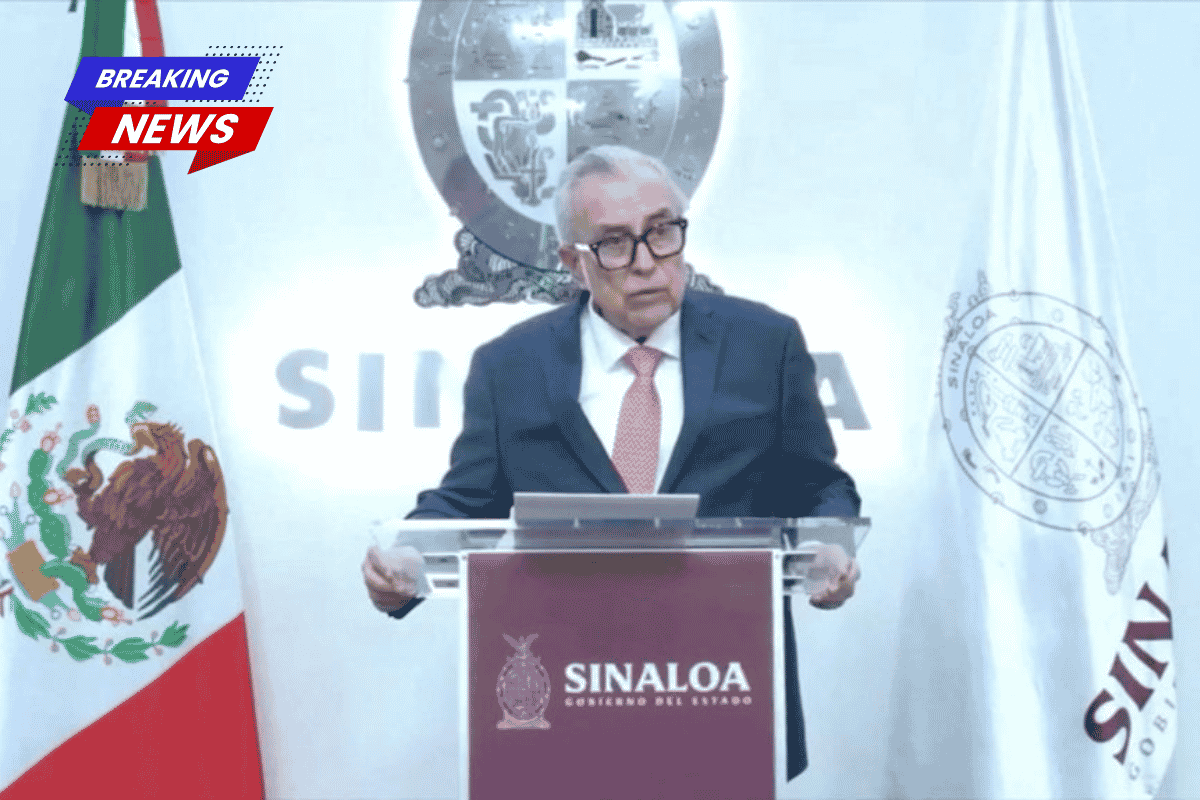
The highest-ranking official named in the indictment, Gov. Rubén Rocha Moya of Sinaloa, strongly denied the accusations. He was accused of protecting the Sinaloa cartel and aiding in the smuggling of drugs into the United States in exchange for bribes. Despite these allegations, Rocha, 76, maintained his innocence, stating, “My conscience is clear” and adding that he had never betrayed his people or family.
Rocha announced he would take a temporary leave of absence from his position to defend himself against what he described as “false and malicious” allegations. His statement came just hours after the indictment shook Mexico’s political landscape.
Mayor of Culiacán Also Stepping Down
Alongside Rocha, Juan de Dios Gámez Mendívil, the mayor of Culiacán, the capital of Sinaloa, was also named in the indictment. Gámez Mendívil also denied the charges and announced he would take a leave of absence. Following this announcement, the Sinaloa state congress appointed Yeraldine Bonilla Valverde, an ally of Rocha, as the interim governor.
By stepping down temporarily, both Rocha and Gámez Mendívil lost their immunity from criminal prosecution as sitting officials, opening the door for potential arrests, as highlighted by former Mexican Supreme Court Justice Arturo Zaldívar.
Sheinbaum’s Response
President Sheinbaum, grappling with the Morena party’s political challenges, made a strong defense of Mexico’s sovereignty in the face of U.S. pressure. She emphasized that if irrefutable evidence tied the accused officials to cartel crimes, they would face trial in Mexico, not the U.S. This stance could create tension with the U.S., especially after threats of military action against Mexican cartels.
Sheinbaum’s remarks are part of her broader effort to strike a balance between combating corruption and preserving Mexican dignity, which she insists should not be undermined by foreign demands.
Political Backlash
Rocha, who previously supported the controversial “hugs not bullets” approach to dealing with organized crime, argued that the indictment was politically motivated to undermine the Morena party and its leadership. He expressed determination not to allow himself to be used to damage the political movement that has worked to improve the lives of millions of Mexicans.
Rocha, a figure closely tied to the Sinaloa region and a former ally of former President Andrés Manuel López Obrador, has faced similar controversies in the past. In 2024, he was linked to a published letter from a Sinaloa cartel capo who claimed he was about to meet Rocha when he was abducted by a rival faction.






