
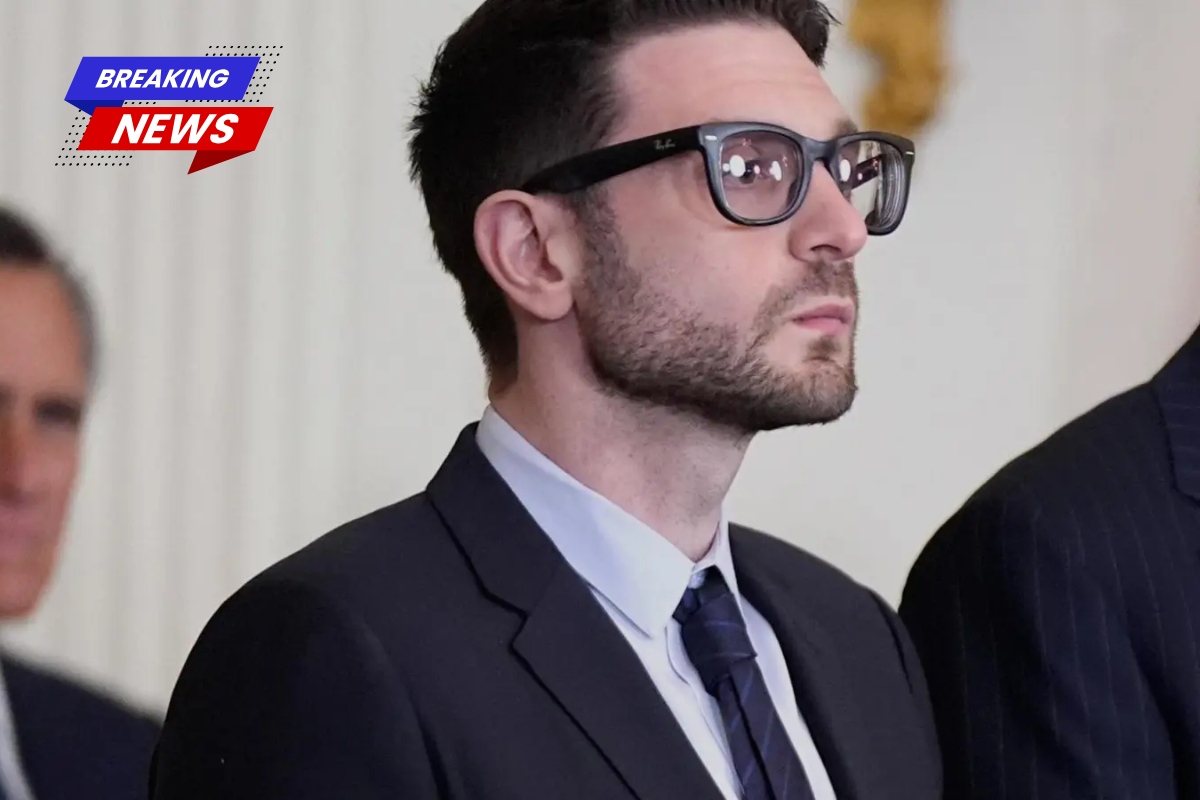
George Soros’ Open Society Foundations (OSF) has pledged $300 million to fund initiatives aimed at defending democratic rights and improving economic security in the United States over the next five years.
OSF Pledges $300 Million for U.S. Democracy
The new strategy comes amid criticism from the Trump administration, which has accused the Soros family of supporting violence and fostering division. In response, OSF officials emphasised that their work will continue without fear. Laleh Ispahani, managing director for the U.S., said, “We are continuing our work unabated. We will not be intimidated into silence.”
Over the past year, OSF has already provided grants to organisations that defend the rule of law and counter policies that discourage participation in public life. The $300 million pledge aims to integrate civil rights protections with economic policies that benefit working-class Americans.
Focus on Economic and Civil Rights
OSF plans to support state-level policies that protect vulnerable groups and create a fair economy. Ispahani said, “You can’t address the racial wealth gap without tackling core, working-class economic issues like living wages, affordable child care and housing.”
This year, $20 million of the pledged $300 million will go toward organisations working on strategic litigation, defending nonprofits, and tracking government corruption. This is the first U.S.-specific democracy program under Alex Soros, George Soros’ son, who has overseen a major restructuring of the foundations.
Alex Soros said, “Guaranteed rights and freedoms are just as critical as broad economic prosperity and are the strongest defense we have against a closed society. Our new investments will tackle these twin challenges.”
Trends in Philanthropic Support for Democracy
Large philanthropic foundations have increasingly funded democracy-related initiatives in the U.S. over the past decade. Research by Kristin Anne Goss of Duke University shows that giving to democracy as a share of overall grants rose significantly between 2013 and 2020.
Candid, a nonprofit tracking grantmaking, found that support for democracy tripled between 2016 and 2020, before dropping by a third in 2021.
Many foundations state that their funding aims to counter authoritarianism and promote social equity. Goss noted that the majority of these grants focus on inclusive initiatives that uphold civil liberties and the rule of law.
Other Major Philanthropic Commitments
Other foundations have also committed substantial resources toward democracy. The Ford Foundation supports organisations across the political spectrum to safeguard democracy.
The MacArthur Foundation pledged $100 million between 2025 and 2026 to protect voting and civil rights. The Minnesota-based McKnight Foundation approved an additional $20 million in 2026 to boost civic engagement and participation.
Nonprofit campaigns like “All by April” encourage funders to support free and fair elections, voter registration, and nonprofit protection from government intimidation ahead of Election Day.
Challenges in Measuring Impact
Experts note that funding democracy-related initiatives is complex because the impact is difficult to measure. Goss said, “They’re trying to intervene in things that are deep and long-standing and often in the political sphere or having roots in the global economy and other huge, huge structures.”
Despite these challenges, philanthropic organisations continue to seek innovative ways to protect democratic institutions and promote civic engagement across the United States.






