Nearly six years after a traumatic incident where a man barricaded himself inside her home in McKinney, Vicki Baker may be closer to receiving compensation for the destruction of her property. A recent hearing in New Orleans has brought her case one step closer to resolution, as she seeks the $60,000 she believes the City of McKinney still owes her.
The Incident and Destruction of Baker’s Home
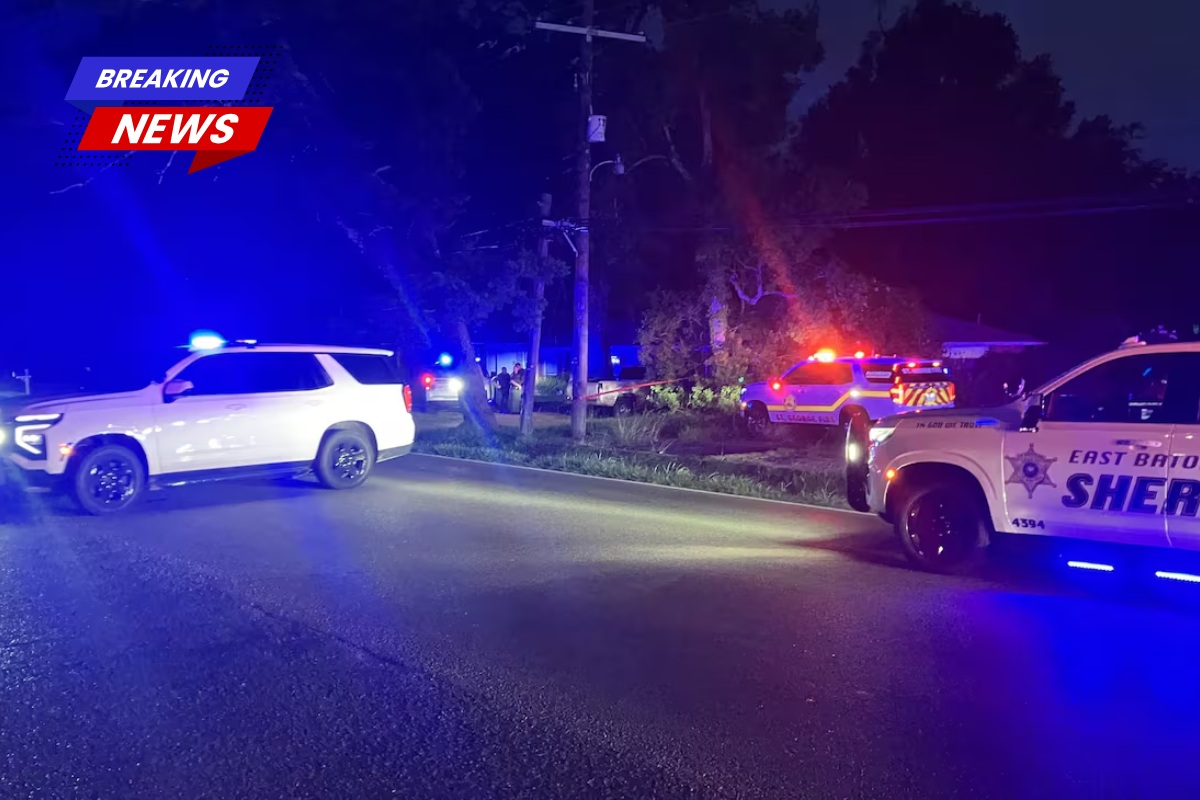
On July 25, 2020, Wesley Little, a man on the run from police, broke into Baker’s home and held a 15-year-old girl hostage. At the time, Baker was in Montana, but her daughter, who was still living in the house, managed to escape and call 911.
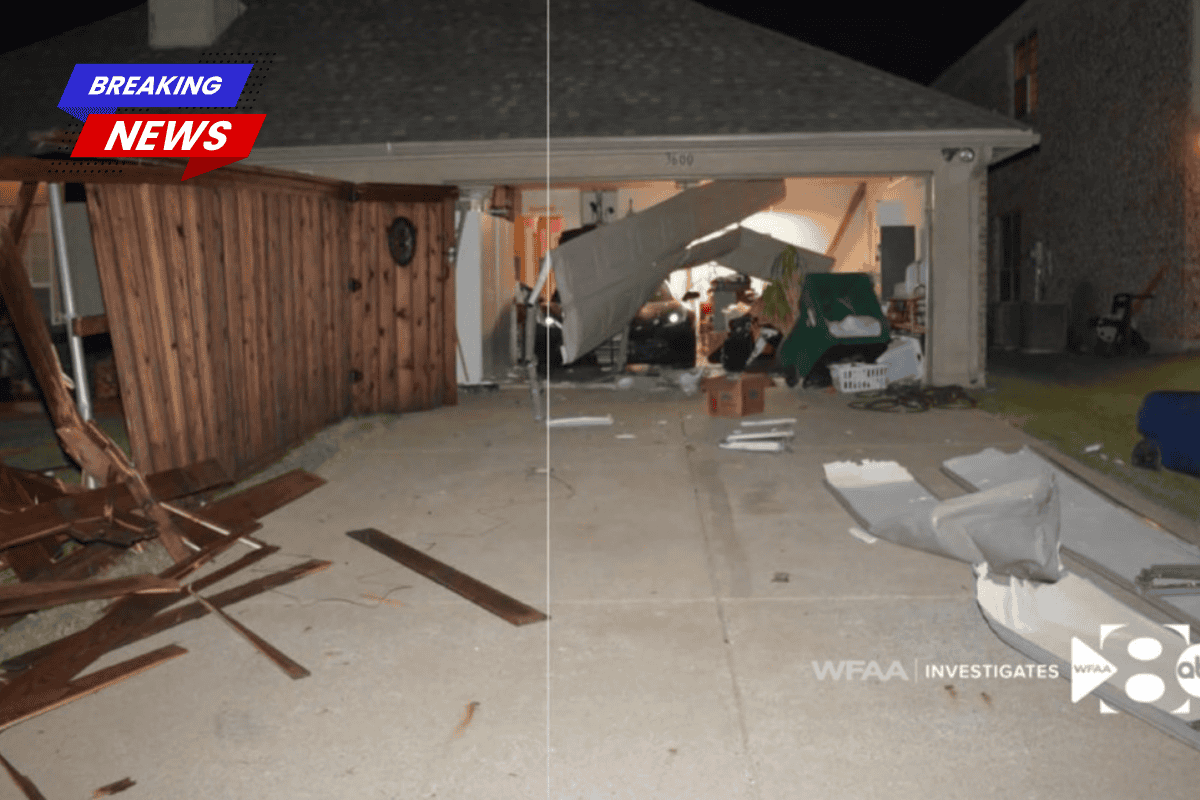
Little eventually released the girl but refused to surrender. In response, SWAT officers deployed approximately 30 tear gas canisters, breached doors, and even used an armored vehicle to tear down a fence. When officers entered, they found that Little had died by suicide.
As a result of the operation, Baker’s home was severely damaged.
The Legal Battle and Sovereign Immunity
The City of McKinney initially denied Baker’s request for reimbursement, citing sovereign immunity, a legal doctrine that protects governments from lawsuits unless they waive it or a judge rules otherwise. However, as litigation began, the city offered Baker approximately $51,000 in compensation.
Baker, represented by the Institute for Justice, pursued a case under the Takings Clause of both the U.S. and Texas Constitutions, arguing that the destruction of her property during the government’s action amounted to a “taking” of private property for public use without compensation.
Court Rulings and Appeals
Since 2021, Baker has faced a complex legal journey. She scored a victory at the trial level, but lost on appeal. The U.S. Supreme Court declined to review the case. However, in June of the previous year, a federal judge ruled that the City of McKinney must pay Baker $59,656.59 plus interest under the Texas Constitution.
The case was brought before the 5th Circuit Court of Appeals in New Orleans for further consideration, where the court did not initially weigh in on the claims under the Texas Constitution. The judges questioned why the city was not more inclined to take responsibility for the destruction of Baker’s home.
The City’s Defense and Baker’s Persistence
Attorney Edwin P. Voss Jr., representing McKinney, argued that the issue wasn’t about being unfeeling but about ensuring that public funds are spent responsibly. “The city’s position is to be sure that it’s only liable when it has to be liable,” Voss stated.
Jeffrey Redfern, from the Institute for Justice, expressed frustration with McKinney’s stance: “If they had just agreed to adopt a policy of compensating innocent homeowners whose property is destroyed this way, we wouldn’t be here.”
Despite the long and grueling process, Vicki Baker, now in her 80s, remains resolute. Although she chose to stay at her hotel and listen to the audio feed of the hearing due to health concerns, her commitment to seeing the case through is unwavering. “I believe that what happened to me, no matter how bad it was, is going to turn out good for somebody else,” she said.
What’s Next?
The 5th Circuit Court of Appeals will decide in the coming weeks whether Baker will prevail in her case. If she wins, her award could double, including interest and fees. The City of McKinney has yet to comment on its next steps but has expressed anticipation for the court’s decision.
As Baker waits for a resolution, her determination to not only seek justice for herself but also to ensure that other homeowners aren’t subjected to the same struggles remains at the heart of her legal fight.