
A shocking immigration case has brought attention to a controversial U.S. deportation policy, where migrants are being sent to countries they have no connection with. The story of one man highlights how complex and troubling this practice has become.
Who Is Pheap Rom?
Pheap Rom is a 43-year-old refugee who came to the United States as a child. He arrived in 1985 at the age of three and later received a green card.
After serving a 15-year prison sentence in Pennsylvania for serious charges, Rom expected to be deported to Cambodia, where his family originally came from. However, events took a very different turn.
What Happened to Him?
Instead of being sent to Cambodia, Rom was unexpectedly deported to Eswatini, a small country in Africa. He said he only realised this when he saw the country’s name on his paperwork.
Once there, he was placed in a maximum-security prison without any charges, legal status, or clear way to challenge his detention. He remained there for over five months.
Conditions in Detention
Rom described difficult conditions inside the prison. He said the facility had mold, insects, and limited communication. Detainees were allowed only short phone calls, and guards monitored conversations.
He was held at the Matsapha Correctional Centre, where several other deportees from the U.S. were also kept.
A Broader U.S. Policy Shift
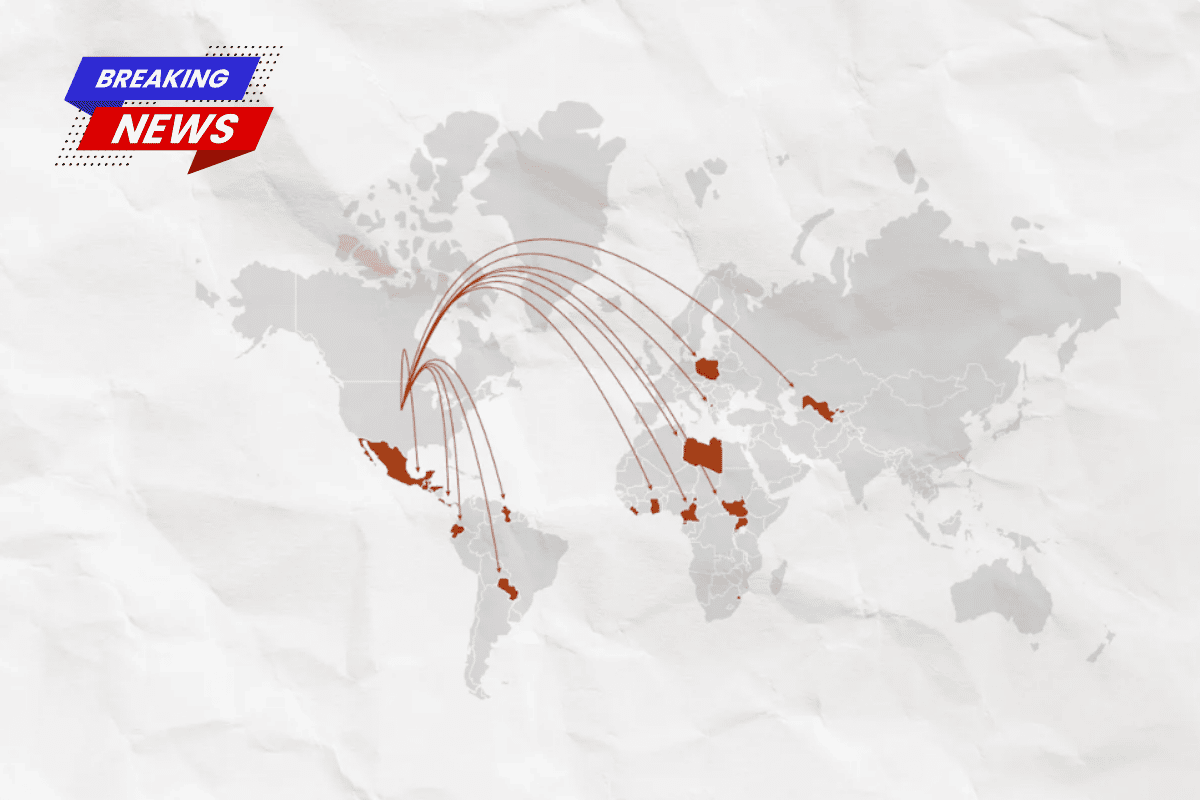
Rom’s case is not isolated. Under the administration of Donald Trump, the United States has expanded a policy of sending migrants to third countries—places where they have no citizenship or personal ties.
According to reports, agreements have been made with more than 25 countries, mainly in Africa and Latin America, to accept deportees. These individuals may be held in prisons, shelters, or hotels.
Why Is This Controversial?
Human rights organisations have raised serious concerns about this policy. Groups like Human Rights Watch argue that such deportations can lead to unsafe conditions, lack of legal protection, and even abuse.
Critics say this practice may amount to “enforced disappearances,” where people are sent abroad without proper legal safeguards or oversight.
Legal and Political Debate
There is also legal uncertainty around the policy. Some experts question whether U.S. authorities can send people to third countries without clear agreements or court approval.
In fact, a U.S. court earlier ruled the policy illegal, although that decision is currently under review.
High Costs and Global Impact
The program is also expensive. Reports suggest that millions of dollars have been spent to house deportees in foreign countries. In some cases, the cost per detainee is extremely high.
At the same time, critics say this policy could harm the U.S.’s international reputation and raise ethical concerns.
Rom’s Return to Cambodia
After months in detention, Rom was finally released and allowed to travel to Phnom Penh with help from his lawyer and Cambodian officials.
However, adjusting to life there has been difficult. Having spent most of his life in the United States, he now finds himself in a country he barely knows.
Emotional and Personal Impact
Rom shared that he felt afraid even after reaching Cambodia. For days, he stayed indoors, unsure about stepping outside and starting a new life.
His story reflects the emotional toll such policies can have on individuals, especially those who have lived most of their lives in another country.
Why This Case Matters
This case highlights the growing debate around immigration policies and human rights. It raises important questions about fairness, legality, and the treatment of deportees.
As governments continue to enforce strict immigration rules, stories like Rom’s remind us of the human side of these decisions.






