A nurse who was inside the Mall of Louisiana during the recent mass shooting shared her experience and offered suggestions on how to improve safety measures and preparedness in case of future incidents. Katie Sheets, Vice President of Trauma Center Development for Pomphrey Consulting, LLC, has over 20 years of experience in trauma care, injury prevention, and trauma center development.
The Shooting Incident
Sheets was at the Mall of Louisiana on Thursday, April 23, when she was caught in the middle of the shooting. She was in the Dillard’s department store, checking out at the doorway when she heard gunshots.
“The noise was something I will never forget,” Sheets said, describing it as extremely loud rain and thunder, almost like the sound of a rain stick. At first, she didn’t realize it was gunfire, but soon after, people ran into Dillard’s shouting that there was a shooting.
Sheets, drawing from her training, immediately went into “Code Silver mode”—a protocol for active shooter situations that emphasizes immediate lockdown and protection. She and her friend found the nearest closet and took cover while Sheets called her husband.
Immediate Aftermath and Confusion
Following the shooting, Sheets described a scene of “intense fear and chaos” as people ran and yelled, uncertain of where to go or what to do. She noted that there was confusion with many people, including employees, not fully understanding the Code Orange announcement over the loudspeaker. Code Orange generally refers to an emergency situation requiring action, but the lack of clarity left many unsure of how to respond.
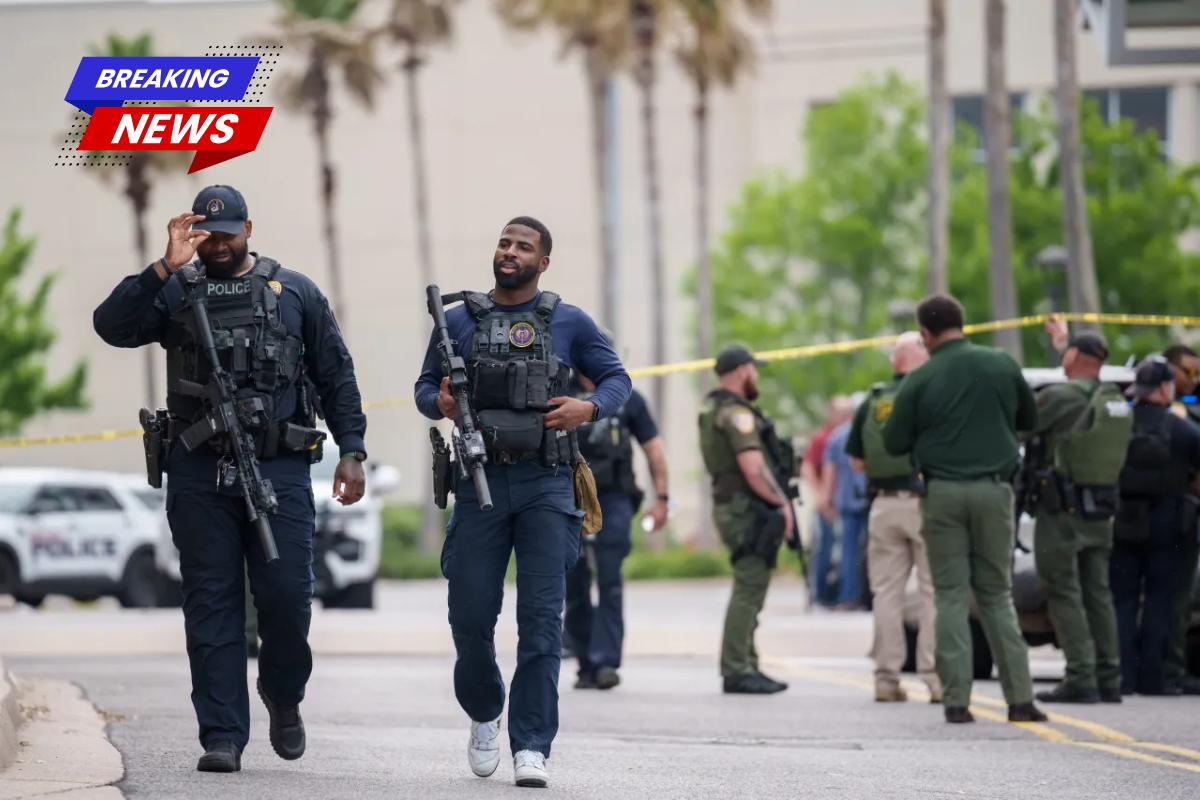
Despite the chaos, Sheets noted that the law enforcement response was quick, with sirens heard shortly after the incident. Employees also tried their best to guide people toward safety, and Sheets followed directions to move toward the dock area, staying hidden until law enforcement confirmed it was safe.
Her husband later arrived to help her and other women to safety, driving them to their vehicles.
Suggestions for Improvement
Sheets, who has spent years in trauma care and has treated gunshot victims, emphasized several key areas for improvement:
- Regular Active Shooter Drills: Sheets strongly believes that the Mall of Louisiana needs to regularly drill for active shooter situations. She suggested that Code Orange protocols should be printed and easily accessible at every cash register for staff and customers to reference in case of an emergency.
- Automatic Locking Doors: One safety issue that stood out to Sheets during the shooting was the need to manually close and lock the doors, which she said caused delays in securing the building. She suggested that automatic locking doors be installed, especially at the main entrances, so the mall could be locked down with the press of a button.
- Clear Protocol and Planning: Sheets highlighted that, in this case, the location of the shooter was unknown, and there was no clear protocol in place to direct people to safety in such a scenario. She stressed the importance of having a detailed plan and training to ensure a more organized response.
Reflection and Community Support
Reflecting on her experience, Sheets shared that the event deeply affected her. “As a nurse who has treated gunshot victims, this hit very differently being on the other side of it,” she said, still in shock and feeling sickened by the violence. She is grateful for her own safety but is heartbroken for the victims and their families.
Sheets also emphasized that preparedness and prevention are needed not just in schools and hospitals, but everywhere. She believes that Baton Rouge should focus on programs that work to reduce violence, and she is eager to contribute to community efforts aimed at decreasing violence in the area.
“We have to do better with preparedness and prevention everywhere, not just our schools and hospitals,” Sheets said.