The future of birthright citizenship in the United States may soon be decided by the Supreme Court, and the outcome could affect millions of families across the country.
At the centre of the debate are children born in the United States to non-citizen parents, including asylum seekers, undocumented immigrants, and temporary visa holders. For many families, the case is not just about immigration policy—it is about identity, legal status, and the future of their children.
Supreme Court Weighs Future of Birthright Citizenship
The Supreme Court is expected to issue a decision in the coming weeks on a legal challenge involving President Donald Trump’s executive order seeking to end automatic birthright citizenship for certain children born in the United States.
The order was signed shortly after Trump returned to office and would deny automatic citizenship to children born to parents who are not U.S. citizens or lawful permanent residents.
Federal courts quickly blocked the order from taking effect, but the nation’s highest court is now reviewing the issue.
The decision could become one of the most significant immigration rulings in modern American history.
Ukrainian Asylum Seeker Fears for Her Son’s Future
Among those closely watching the case is a Ukrainian asylum seeker identified only as Lily, whose name has been withheld to protect her identity while her asylum application remains pending.
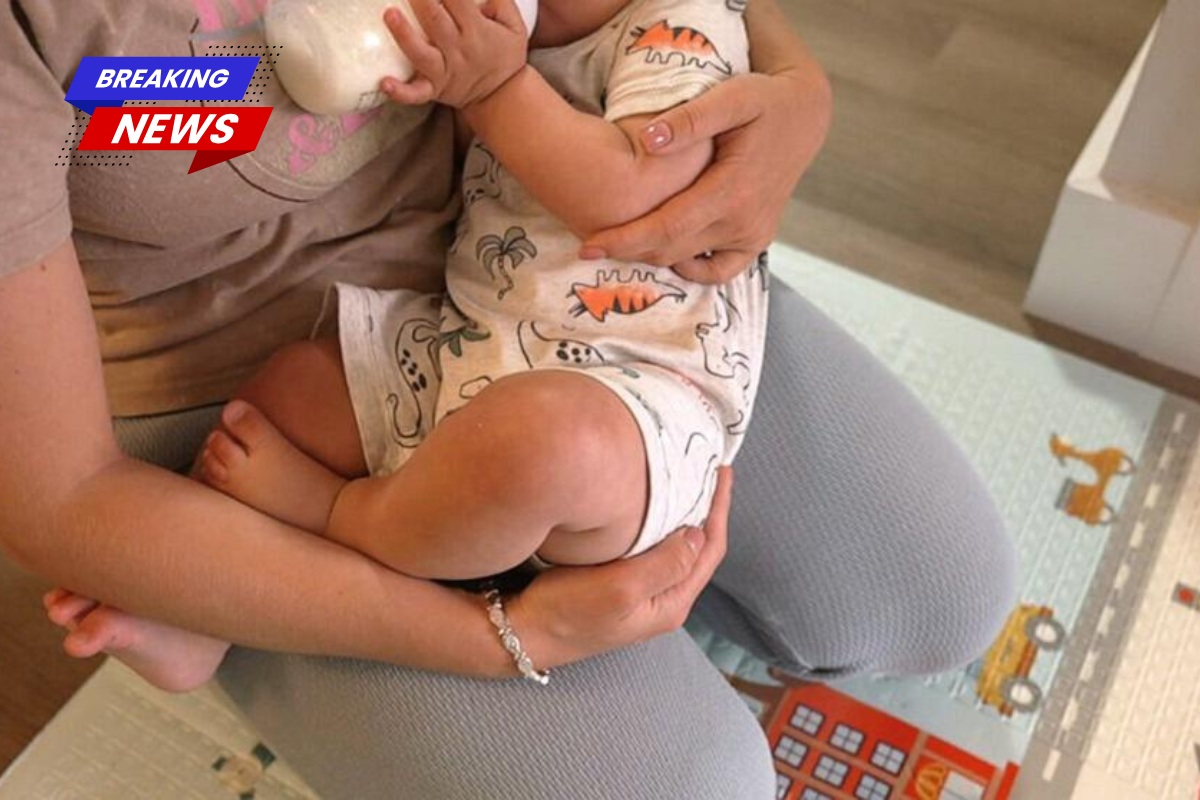
Her son, Ivan, was born in the United States after she fled the war in Ukraine and sought safety in America.
Lily believes her son should automatically receive U.S. citizenship because he was born on American soil.
She worries that if the Supreme Court upholds the executive order, children like Ivan could face uncertainty about their legal status and future opportunities.
For her, the issue is deeply personal and directly affects her family’s future.
Legal Debate Centres on the Fourteenth Amendment
The legal battle focuses on the interpretation of the Fourteenth Amendment to the United States Constitution.
Ratified in 1868, the amendment states that all persons born or naturalised in the United States and subject to its jurisdiction are citizens of the country.
For more than a century, this language has generally been understood to grant citizenship to nearly all children born within U.S. borders.
However, the Trump administration argues that the amendment was never intended to apply to children whose parents are in the country unlawfully or only temporarily.
The interpretation of the phrase “subject to its jurisdiction” has become a key point of disagreement in the case.
Administration Argues Citizenship Should Depend on Domicile
Government attorneys have argued that citizenship should depend in part on whether parents are permanently settled, or domiciled, in the United States.
According to the administration, individuals who are temporarily present or who entered the country unlawfully do not have the type of legal relationship with the United States that was intended by the amendment’s authors.
Officials also contend that children born to such parents should not automatically acquire citizenship at birth.
Supporters of the policy say it would help address concerns about immigration and citizenship laws.
Justices Raise Questions About Practical Challenges
During oral arguments, several Supreme Court justices questioned how such a policy would work in practice.
Members of the court raised concerns about determining parental residency status for millions of births each year.
Questions were also asked about how hospitals, government agencies, and families would verify eligibility for citizenship at birth.
Some justices suggested that implementing such a system could create significant administrative challenges and legal uncertainty.
The court’s final ruling will determine whether those concerns outweigh the government’s arguments.
Landmark Case Shapes Current Debate
The current dispute is closely tied to the historic 1898 Supreme Court decision in the case of Wong Kim Ark.
In that ruling, the court determined that a child born in the United States to Chinese immigrant parents was entitled to citizenship under the Fourteenth Amendment.
The decision became a cornerstone of modern birthright citizenship law and has been cited repeatedly in legal arguments surrounding the current case.
Many legal experts believe any decision limiting birthright citizenship would require the court to reconsider or narrow that longstanding precedent.
Concerns Over Stateless Children
Immigration advocates warn that changing birthright citizenship rules could create new legal challenges for some children.
One concern raised by advocacy groups is the possibility that certain children could be left without a recognised nationality if neither the United States nor their parents’ country automatically grants citizenship.
Legal experts note that citizenship laws vary widely between nations, making each case potentially different.
Advocates argue that uncertainty over citizenship status could affect access to identification documents, government services, and legal protections.
Researchers Examine Potential Demographic Impact
Researchers studying immigration trends have attempted to estimate how changes to birthright citizenship could affect future generations.
Some studies suggest that Latino and Asian communities could experience the greatest impact if automatic citizenship rules were changed.
Demographers note that any significant change in citizenship policy could have long-term effects on population trends, public services, and immigration patterns.
However, the exact impact would depend on the specific legal standards adopted by the courts and how those standards are implemented.
Families Await Historic Decision
Across the country, immigrant families are closely monitoring the case while awaiting the Supreme Court’s decision.
For many parents, the uncertainty has created anxiety about what the future may hold for their children.
Some families fear potential complications involving citizenship documents, passports, healthcare access, and other legal rights.
Others view the case as a broader debate about the meaning of American citizenship and national identity.
Regardless of the outcome, the ruling is expected to shape immigration law for years to come.