
New immigration-related bills are being proposed across many U.S. states, but a surprising number of them are not becoming law. Even in Republican-led states, strong opposition from businesses and religious groups is slowing or stopping some of the strictest proposals. This shows that immigration policy is not just a political issue, but also one that affects the economy, communities, and everyday life.
States push stricter immigration laws
Across the United States, many states have introduced bills focused on controlling immigration. These proposals reflect the policies supported by Donald Trump and his administration. Some of the ideas include stopping undocumented children from attending public schools, limiting access to basic services, and making it harder for undocumented immigrants to find jobs.
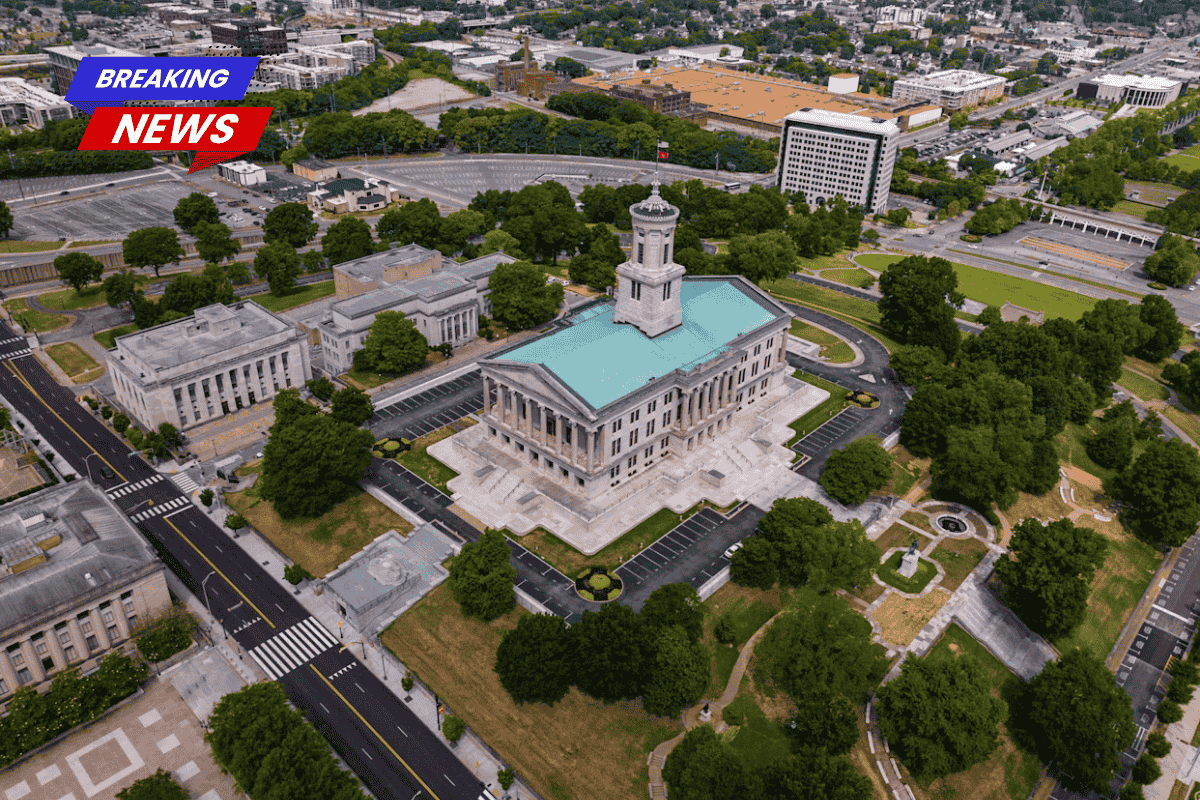
For example, in Tennessee, a bill supported by White House adviser Stephen Miller aimed to allow schools to deny admission to undocumented children. In Idaho, lawmakers proposed forcing employers to use a government system to check if workers are legally allowed to work. In Utah, another bill suggested blocking undocumented immigrants from getting help like vaccines or food support for pregnant women.
These proposals show how far some states are willing to go to match federal immigration goals.
Many bills fail despite strong political support
Even though around 200 immigration-related bills were introduced this year, only a small number have actually become law. Less than two dozen have passed so far, while more than 80 have already failed. Many others are still stuck and have not moved forward.
This is surprising because many of these states are controlled by Republicans, who generally support stricter immigration policies. However, not all lawmakers agree on how far these policies should go.
Even within the same party, there are differences. Some leaders strongly support strict rules, while others worry about the impact on businesses and local communities.
Businesses push back due to economic concerns
One of the biggest reasons these bills are failing is opposition from businesses. Many industries in the U.S., especially agriculture, construction, and food services, depend heavily on immigrant workers.
Business leaders are worried that strict immigration laws could lead to worker shortages and higher costs. Jennie Murray from the National Immigration Forum said that companies across different sectors are concerned about losing workers if these laws are passed.
For example, a restaurant owner in Tennessee explained that industries like farming and meat processing rely on immigrant labour. If those workers are removed, prices of goods could rise, affecting both businesses and customers.
In Idaho, a proposed law requiring all employers to use a system called E-Verify was blocked after strong opposition from business groups. Leaders warned that such a rule could harm the state’s economy, especially industries that depend on immigrant workers.
Religious groups raise moral concerns
Apart from businesses, religious groups have also played a big role in stopping these bills. Many Christian leaders believe that denying basic services or support to people goes against their values.
In Utah, a Republican lawmaker even said that denying help like food or vaccines to undocumented immigrants would go against the teachings of Christianity, especially the idea of helping those in need.
In Idaho, church leaders strongly opposed a bill that would have made helping undocumented immigrants a crime. They argued that such a law would put religious leaders in an impossible position, forcing them to choose between their faith and the law.
This kind of moral opposition has made lawmakers rethink some of the harsher proposals.
Education and public services become major debate points
One of the most controversial ideas is limiting access to education. Around 10 states have considered bills to stop undocumented children from attending public schools or colleges. So far, none of these proposals have become law.
In Tennessee, the bill was removed from discussion after strong opposition from teachers, business owners, and religious leaders. Many people believe that denying education to children is unfair and could harm society in the long run.
Similarly, proposals to limit access to healthcare services and public assistance have also faced resistance. Critics argue that basic services like vaccines and food support are essential for public health and should not be restricted.
State-level action increases as federal progress slows
With Congress unable to pass major immigration laws, many states are trying to take action on their own. Several states have introduced laws similar to the SAVE America Act, which focuses on stricter voting rules, including proof of citizenship.
While some states have passed such laws, others are still debating them. This shows that immigration policy is becoming more of a state-level issue when there is little movement at the national level.
However, the mixed results also show that not all ideas get equal support, even among states with similar political leadership.






