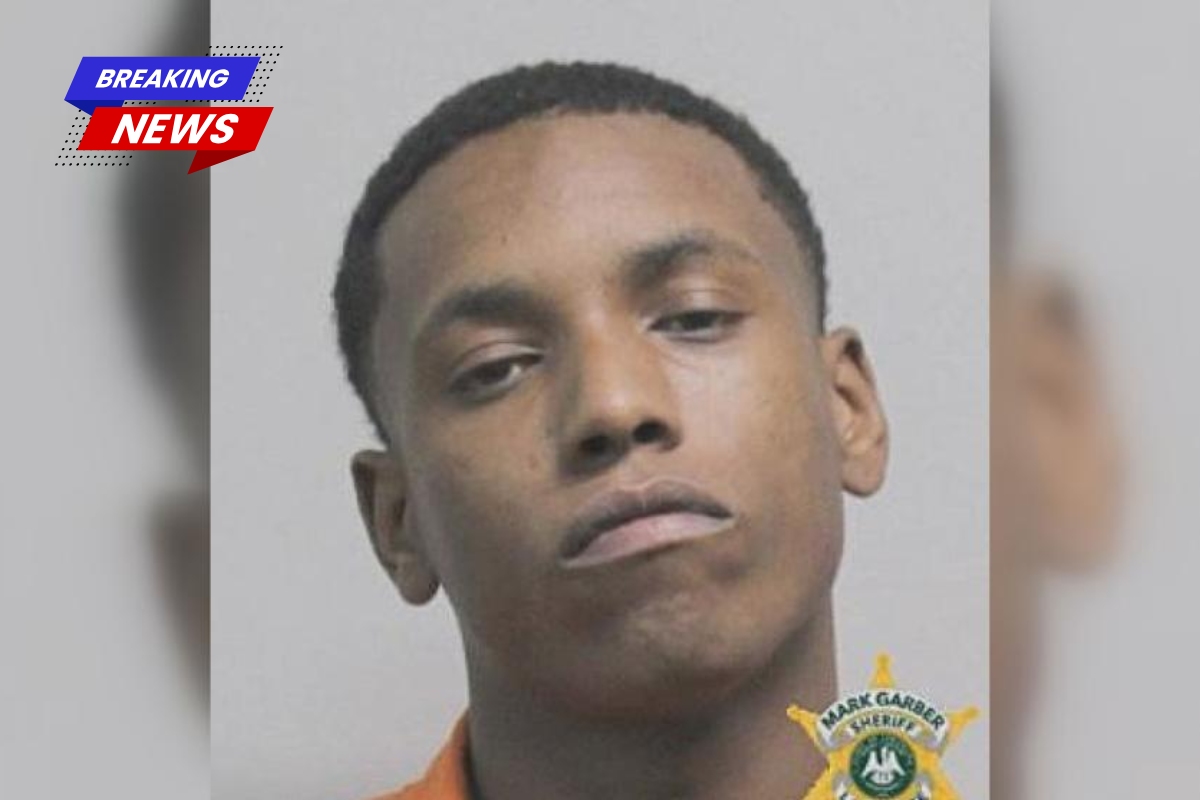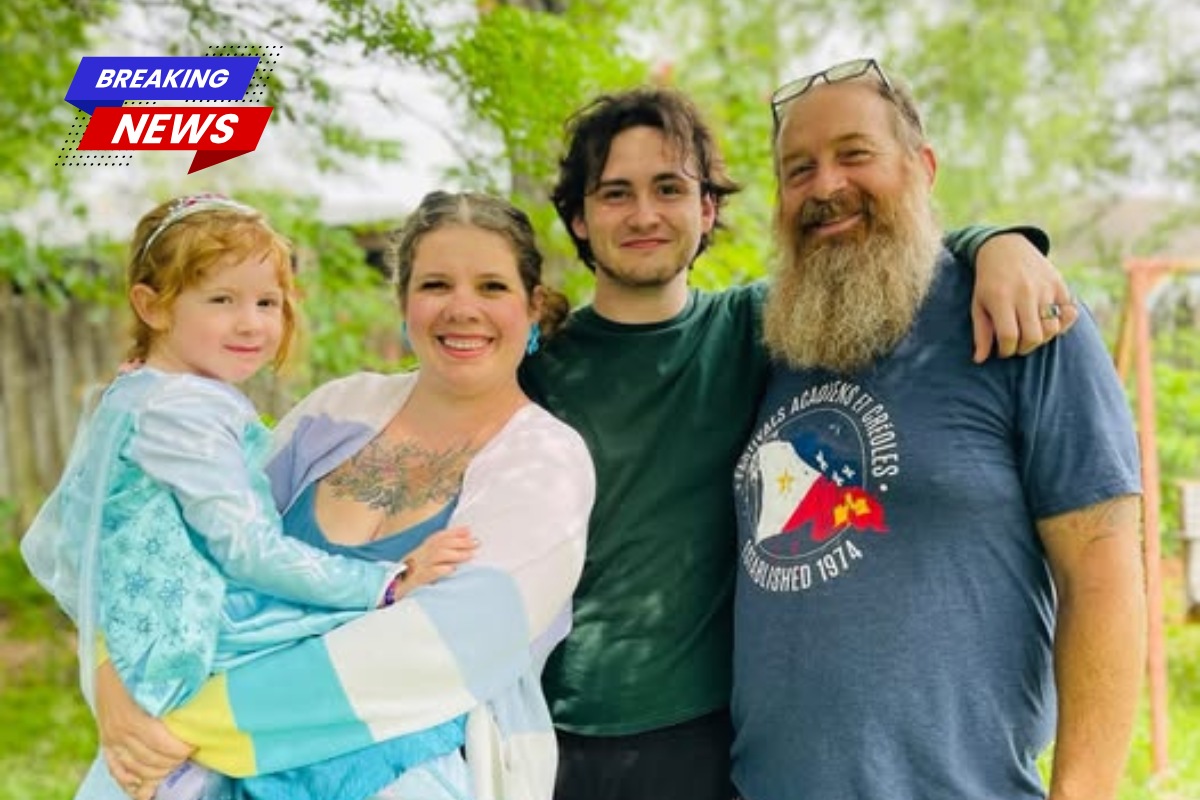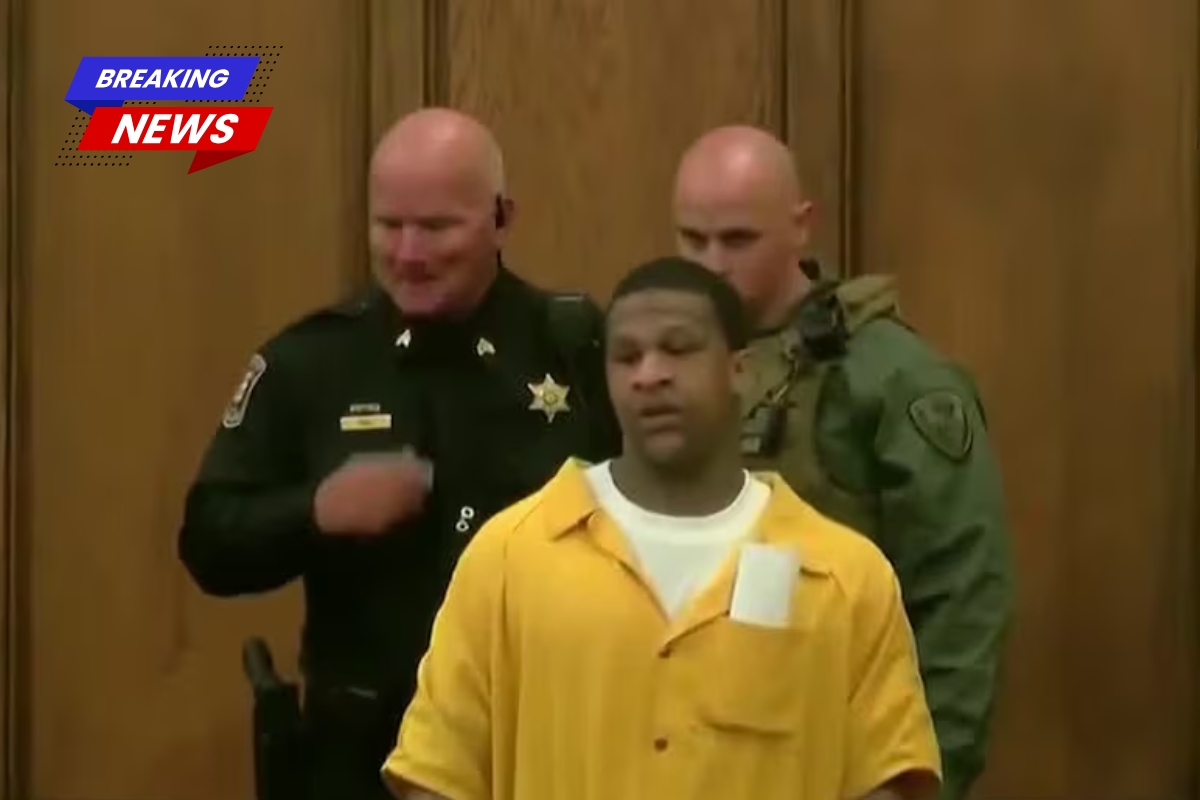
Testimony in the murder trial of Quinton Tellis continued with heated arguments over cellphone location data, jail phone records, and witness statements connected to the 2015 killing of ULM graduate student Ming Chen Hsiao. Day 7 of the trial focused heavily on whether cellphone geolocation evidence can reliably place Tellis near Hsiao’s apartment around the time of her death.
Both prosecutors and defense attorneys questioned experts about AT&T NELOS location estimates, mapping software, and the accuracy of cellphone tower analysis.
Defense Challenges Cellphone Location Evidence
Defense attorney Bob Noel cross-examined Detective Andrew Stadius, who has been a key prosecution witness regarding cellphone records and mapping evidence.
The defense questioned how accurate the AT&T NELOS data really is and whether it could definitively place Quinton Tellis at Ming Chen Hsiao’s apartment.
During testimony, Stadius acknowledged that the cellphone tied to Tellis could have been located nearly a mile away from the apartment during some of the events referenced by prosecutors. He explained that investigators looked for additional evidence to determine whether the phone was actually closer to the apartment or possibly inside it.
On redirect examination, prosecutors emphasized that the NELOS data could still place the phone near the apartment even with the estimated radius range. Stadius agreed with that statement.
The prosecution also stated it would be “cumulative” to call another geolocation expert witness, Mark Sonnendecker, to testify. Sonnendecker was described in court as a Denver-based ATF special agent with extensive experience analyzing cellphone geolocation and digital evidence.
Defense Calls Independent Geolocation Expert
The defense later called Michael Fegely as an expert witness in cellphone mapping and geolocation analysis. The judge officially recognized Fegely as an expert during the proceedings.
Defense attorneys explained that Fegely previously worked in law enforcement before retiring in 2018. They said he later trained officers on cellphone mapping software and now works independently as an expert witness for both prosecution and defense teams in different states.
Fegely testified that AT&T NELOS data should only be considered estimates rather than exact locations. According to his testimony, there were five total NELOS points connected to the case, with three occurring between 6:16 p.m. and 6:18 p.m.
He stated that he believed only one or two of those points were likely accurate because some of the estimated locations appeared too far apart for realistic travel within that short period.
Debate Over TrAX Software Continues
The courtroom discussion also focused on TrAX, the cellphone mapping software used during the analysis.
Fegely explained that the shapes shown by TrAX are not exact boundaries but instead represent estimated radio-frequency coverage areas. He testified that cellphone signals can connect outside the main direction of a tower sector due to side lobes and tower density differences.
The prosecution questioned Fegely about criticism surrounding TrAX software. A Colorado court previously ruled in another case that TrAX-generated cell-site evidence failed to meet scientific reliability standards under the federal Daubert rule.
Despite those concerns, Fegely testified that the software is still widely used and accepted in courts, including in Louisiana.
Prosecutors also questioned whether Fegely believed the AT&T NELOS records themselves were inaccurate. He clarified that he was not claiming travel actually occurred but instead used time and distance estimates to evaluate the data’s reliability.
Jail Phone System Testimony Presented
Prosecutors next called Donna Parks, who testified about inmate phone systems at the Ouachita Corrections Center.
Parks explained that inmates often share PIN numbers to place calls and said inmates cannot realistically be forced to use only their assigned PINs.
She also discussed reports generated by the GTL inmate phone system, including reports designed to identify possible three-way calls.
Defense attorneys asked whether Tellis specifically made any known three-way calls. Parks testified she had no direct knowledge proving he made one. However, prosecutors later asked whether such calls were possible, and Parks responded that they were.
She also confirmed that inmates receive warnings that jail calls are recorded.
Inmate Testifies About ATM Card
Another major witness on Day 7 was Mohammed Mahrous, an inmate brought from Texas to testify.
Mahrous testified that he lived near Tellis in 2015 around the area of 1904 Filhiol Avenue.
According to Mahrous, Tellis allegedly approached him on July 30 and asked him to withdraw $2,500 using a debit card that Tellis claimed belonged to Ming Chen Hsiao. Mahrous said the card included a sticky note containing a PIN number.
Mahrous testified that he refused to withdraw the money because his conscience stopped him. Instead, he said he only checked the account balance.
He further claimed Tellis became angry and later asked Mahrous’ girlfriend, Lindsey Phillips, to attempt the withdrawal instead.
When prosecutors asked whether he feared Tellis, Mahrous responded that he did. He also testified that he cooperated fully with investigators by allowing police to collect DNA evidence and search his home, vehicle, and belongings.
Trial Continues With Focus on Digital Evidence
The murder trial continues to center heavily on digital evidence, cellphone records, witness testimony, and financial activity linked to the days surrounding Hsiao’s death.
Attorneys on both sides are expected to continue debating the reliability of geolocation technology and whether the available evidence can firmly connect Tellis to the crime scene.
The case has drawn significant attention because of its lengthy investigation, the use of complex digital forensic evidence, and the ongoing legal battles over the interpretation of cellphone mapping data.