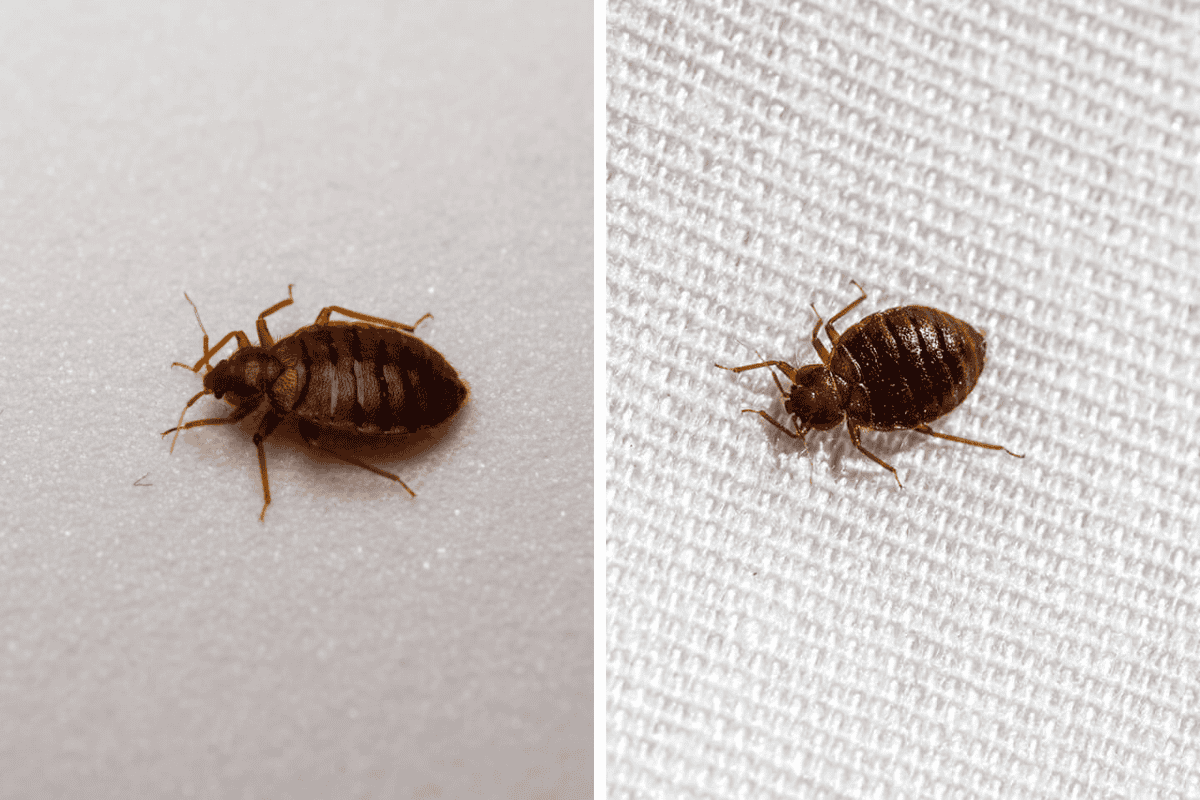
Hawaii faces a persistent bed bug crisis fueled by tourism, travel, and lax regulations, with Honolulu leading efforts against outbreaks. Five key cities—Honolulu, Hilo, Kahului, Līhuʻe, and Kailua-Kona—are actively combating infestations through fumigation, inspections, and public awareness.
Honolulu’s Mall and Hotel Surge
As Oahu’s hub, Honolulu reports the most cases, including a 2025 bed bug outbreak at Ala Moana Center’s Lanai Food Court where pests infested wooden chairs, biting shoppers. Hotels like Hilton Hawaiian Village (Rainbow and Kalia Towers) have drawn traveler complaints, prompting rapid pest control responses.
City measures include mandatory landlord disclosures via Senate Bill 456 (2025), fumigations at the Joint Traffic Management Center ($1,800 cost), and Daniel K. Inouye International Airport gate closures for carpet removal. Orkin treatments doubled from 2008-2009, with ongoing monitoring.
Hilo’s Residential Fight
On Hawaii Island’s east side, Hilo tackles bed bugs in rentals and homes, exacerbated by humid conditions aiding pest spread. Local exterminators like Sandwich Isle push heat treatments and inspections, targeting dorms and apartments.
The city backs state pushes for regulations, with 2025 reports of infestations at Oʻahu Community Correctional Center spilling over via travel—Hilo enforces tenant notifications and free consultations to curb spread.
Kahului’s Maui Hotspot Challenges
Maui’s Kahului, a transit gateway, sees surges in hotels and condos from mainland visitors carrying hitchhikers. Orkin notes doubled requests since 2009, with facilities shutting for extermination.
County efforts involve public campaigns via Kilauea Pest (“inspect secondhand furniture”), alongside fumigation drives; no statewide hotel mandates exist, but landlords face proposed uninhabitability rules equating bed bugs to no water.
Līhuʻe’s Kauai Containment
Kauai’s Līhuʻe combats bugs in medical facilities and homes, with Orkin confirming presence across islands. The city promotes washing bedding weekly and avoiding suitcase unpacking on beds, while pest firms offer warranties post-treatment. High-profile incidents drive awareness, mirroring Oahu’s airport closures—Līhuʻe focuses on prevention amid tourism recovery.
Kailua-Kona’s Proactive Measures
West Hawaii’s Kailua-Kona addresses infestations in single-family homes and Waipahu-adjacent rentals, using targeted sprays despite pesticide resistance. Local services emphasize rapid response, with state data lacking but anecdotes (e.g., Japanese family bites at hotels) fueling action. Kona aligns with 2025 legislative bids for rental standards, costing $200/room for treatments blamed on tenants or guests.
Statewide Strategies
Hawaii’s lack of bed bug laws—unlike mainland cities—prompts bills targeting rentals (not hotels), amid rankings like Honolulu’s #45 in Orkin lists. Tactics: Heat (120°F kills eggs), encasements, vacuuming, and IPM; travelers inspect mattresses on arrival.
Challenges persist from tourism (10% global cousin marriages irrelevant here), but cities unite via HDOA alerts and realtor opposition to costs. Residents: Report via 311; prevention saves $1,800+ per incident.
SOURCES:
- https://www.facebook.com/DillonAnchetaNews/videos/bed-bugs/1778210199462087/
- https://www.instagram.com/reel/DNhr0KMuMW5/