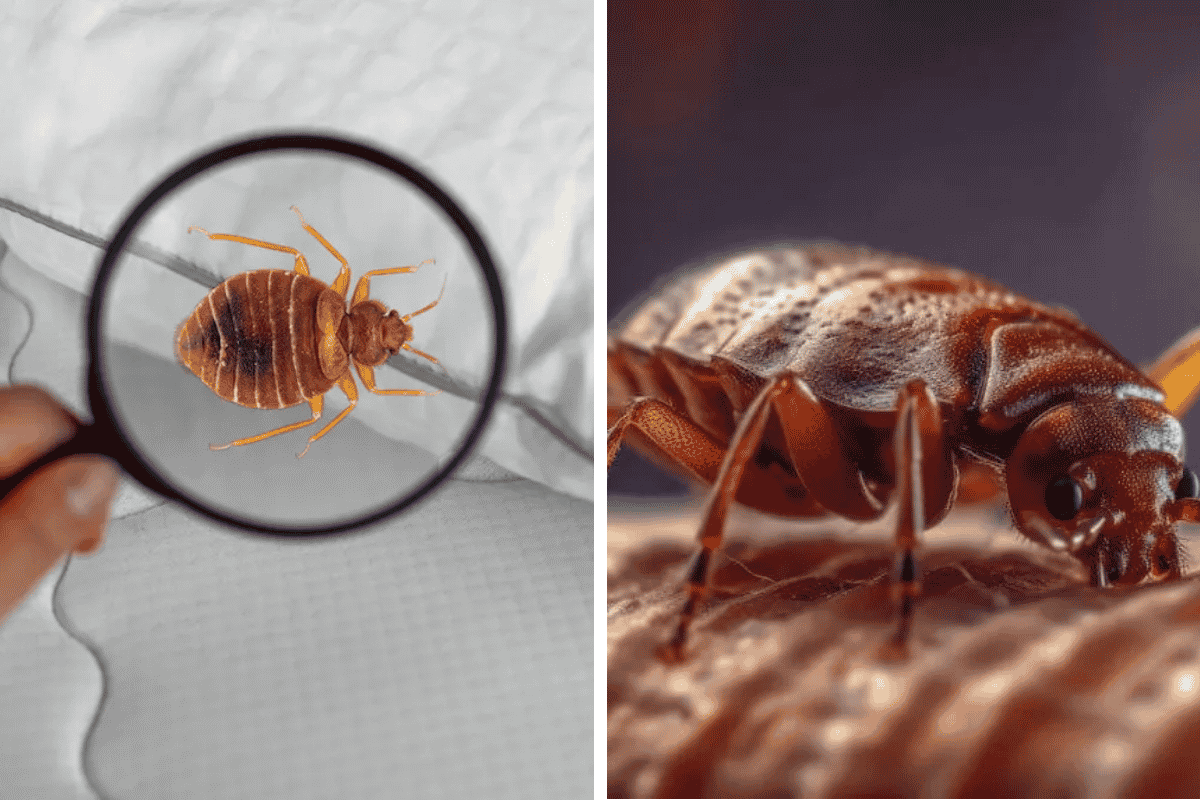
Bed bug infestations remain a persistent challenge in Illinois, with several cities consistently appearing on national “worst-of” lists due to factors like high population density, transient housing, and frequent travel.
While the state has faced intense scrutiny for its infestation rates, recent data from 2026 suggests that while the problem remains, the landscape is shifting as some cities implement more effective pest management strategies.
The Changing Landscape of Infestations
For years, Chicago held the top spot as the most bed bug-infested city in the U.S.. However, the latest 2026 reporting from industry experts indicates a positive trend, with Chicago dropping out of the top 10 worst cities for bed bug treatments nationwide.
This shift highlights the impact of increased public awareness, proactive pest control measures, and enhanced city-wide education efforts targeting high-risk areas like multi-unit residential buildings.
Beyond the major metropolitan centers, other Illinois cities have also grappled with bed bug concerns. Recent reports have identified five key municipalities where pest management and prevention are current priorities:
- Chicago: Once the perennial leader in infestation rankings, Chicago continues to focus on public education in dense urban housing.
- Champaign: Frequently cited due to its large student population and high-turnover housing market, which facilitate the rapid spread of pests.
- Springfield: Recently identified as a point of concern in updated national reports, requiring localized efforts to manage rising treatment needs.
- Decatur: Alongside Springfield, this city has appeared in recent national rankings, prompting local authorities to emphasize early detection and resident reporting.
- Peoria: Previously prominent on national lists, Peoria has worked to improve its standing, though it remains a city where vigilance is still strongly encouraged.
Strategies for Prevention and Control
The fight against bed bugs in these Illinois cities is increasingly focused on community-wide cooperation. Pest management professionals emphasize that these insects are not a sign of poor hygiene, but rather hitchhikers that thrive in high-traffic environments. Effective control measures now emphasize:
- Early Detection: Educating residents on identifying signs of infestations, such as fecal spots, cast skins, or bites, to ensure prompt treatment.
- Integrated Pest Management (IPM): Moving beyond traditional chemicals to include heat treatments, vacuuming, and mechanical barriers like mattress encasements.
- Community Engagement: Multi-unit building owners are increasingly implementing proactive inspection schedules, particularly in student dormitories, hotels, and older apartment complexes where the risk of spread is highest.
As these cities continue to navigate the challenges of bed bug management, the move toward data-driven, proactive intervention is helping to reduce the overall impact on residents. By remaining vigilant and prioritizing professional extermination at the first sign of an infestation, communities are successfully working to curtail the onslaught of these resilient pests.
SOURCES:
- https://q985online.com/illinois-bed-bug-rankings-2026/
- https://mywaynecountynow.com/insect-invasion-5-illinois-cities-combatting-bed-bug-onslaught/