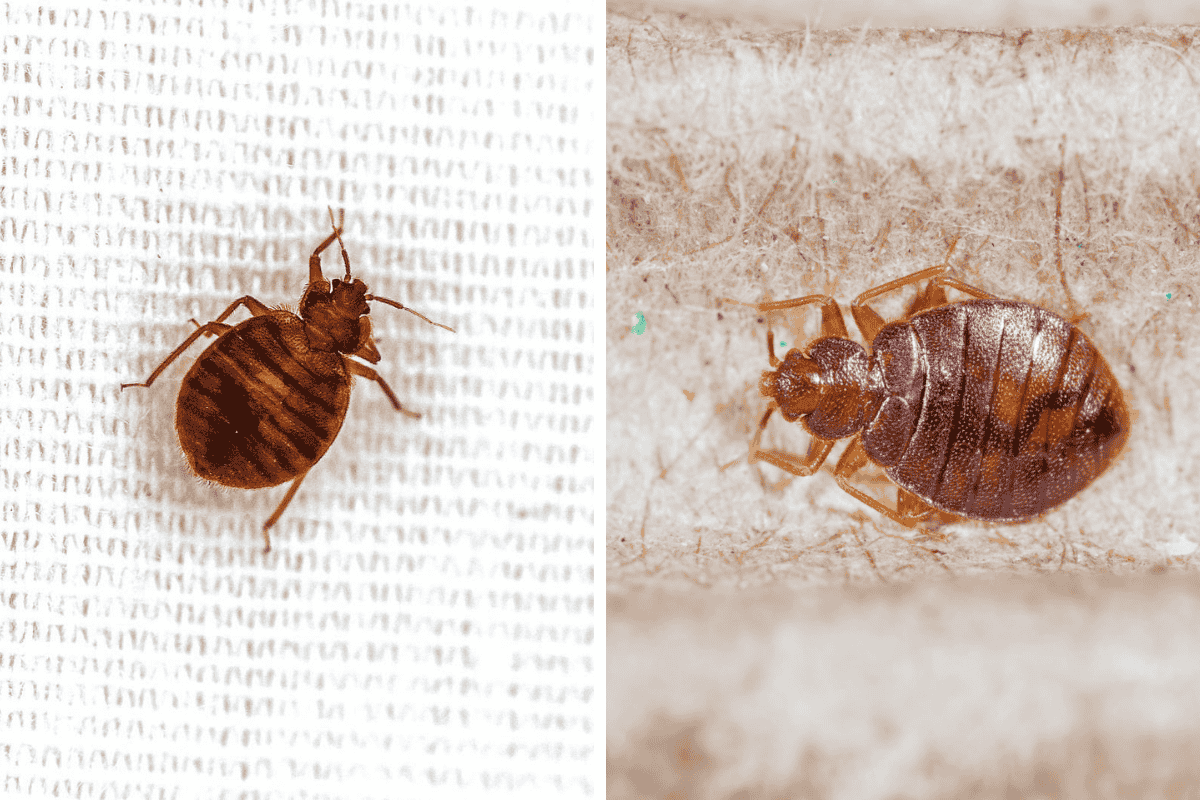
Across the United States, bed bugs have staged a quiet but relentless comeback, turning hotel stays, apartments, and even offices into battlegrounds of itching bodies and sleepless nights.
In Iowa, the problem is no longer a rumor whispered in student dorms or low‑rent buildings—it is a full‑scale insect invasion, with several cities now ranking among the worst in the nation for bed bug infestations. From Cedar Rapids to Davenport, Des Moines to Sioux City and Iowa City, local governments, landlords, pest‑control companies, and residents are scrambling to fight back.
Cedar Rapids: A Mid‑Tier Menace
Cedar Rapids has appeared multiple times on Orkin’s “Top 50 Most Bed Bug‑Infested Cities” list, typically landing in the 30–40 range. The city’s dense housing stock, frequent travel patterns, and a mix of older apartment complexes make it fertile ground for bed bugs to spread from one unit to another.
Pest‑control firms report a steady stream of calls from renters, landlords, and even small hotels where guests have discovered rust‑colored stains on mattresses or tiny black dots in crevices—classic signs of an active infestation.
Local exterminators have responded with more aggressive heat treatments, targeted chemical applications, and follow‑up inspections, while city officials quietly pressure landlords to adopt stricter inspection and disclosure policies. Still, many residents say they only take action after an infestation is confirmed, allowing the bugs to move from apartments to laundromats, thrift stores, and even local workplaces.
Davenport: The Quad Cities Problem Child
Davenport, part of the Quad Cities anchored along the Mississippi River, has become one of the more troubling hotspots in Iowa. Orkin’s data show Davenport repeatedly climbing the national bed bug rankings, signaling that infestations are not just present but increasing in frequency and severity.
The city’s mix of hotels, short‑term rentals, student housing, and older multi‑unit buildings creates an ideal environment for bed bugs to hitchhike from one location to another.
In recent years, local news outlets have reported on lawsuits and tenant complaints filed by residents of senior‑living complexes and low‑income apartments, where residents say they’ve been living with “raging” bed bug infestations for years.
Those cases have pushed some property owners to invest in professional exterminators, mattress encasements, and regular monitoring programs. At the same time, advocacy groups are pushing for clearer tenant‑rights rules that require landlords to disclose known infestations and act swiftly when problems are reported.
Des Moines: The Capital’s Growing Bite
Des Moines, Iowa’s largest city, has long been a crossroads for travelers, business visitors, and students. That constant movement of people has also made it a prime target for bed bugs, which cling to luggage, backpacks, and second‑hand furniture before setting up shop in new homes. While Des Moines has not always landed in the very top tier of Orkin’s national list, pest‑control companies based in the metro area report a steady rise in treatment calls over the past several years.
Des Moines exterminators now market themselves as “bed bug specialists,” offering everything from thermal treatments that heat entire rooms to targeted chemical sprays and monitoring systems in apartments, hotels, and hospitals.
Some local agencies have begun to distribute educational materials to renters, emphasizing the need to inspect beds, check behind baseboards, and avoid bringing used couches or mattresses into homes without a thorough inspection. Still, for many low‑income households, the cost of professional treatment remains a barrier, leaving them vulnerable to recurring infestations.
Sioux City: Western Iowa’s Quiet Infestation
Sioux City, tucked in the northwest corner of Iowa along the Big Sioux and Missouri rivers, may not make headlines as often as Cedar Rapids or Des Moines, but it is not escaping the national trend. Orkin’s regional analyses show that several Midwestern cities, including Iowa and nearby Nebraska metros, have seen more bed bug treatments over the past few years, indicating that infestations are spreading beyond the usual urban centers.
In Sioux City, pest‑control companies report a mix of residential and commercial cases, ranging from single‑family homes to motels where guests rotate nightly. Local exterminators rely on a combination of inspection, vacuuming, heat treatment, and carefully applied insecticides to eliminate colonies, but they stress that collaboration with property owners is essential: if one unit in a duplex or apartment building is treated and the adjoining unit is not, the bugs can easily return within weeks.
For now, Sioux City’s response is largely reactive, with education and prevention efforts lagging behind more aggressive cities that have adopted formal bed bug ordinances.
Iowa City: College‑Town Vulnerability
Iowa City, home to the University of Iowa, is ground zero for the kind of transient population that bed bugs love. Students move apartments every year, buy used furniture online, and carry backpacks between dorms, parties, and study spots, creating a perfect recipe for bed bugs to hitchhike from one residence to another.
Local pest‑control services have noted spikes in treatment requests every August and January, when new and returning students settle into off‑campus housing.
City officials and university housing staff have started to step up awareness campaigns, advising students to inspect second‑hand mattresses, seal clothing in plastic bags when visiting hotels, and avoid placing luggage directly on beds.
Some landlords are now including bed bug clauses in leases, requiring tenants to report suspected infestations quickly and allowing pest‑control professionals easy access to units. Despite these efforts, the fast‑turnover nature of student housing means Iowa City will likely remain vulnerable as long as the national bed bug problem continues to grow.
Why Iowa Is Feeling the Bite
Bed bugs are not new to Iowa; entomologists at Iowa State University have documented a steady increase in bed bug reports over the past few decades. Several factors have amplified the problem: increased human mobility, more frequent travel, a shift toward targeted pest‑control methods that do not broadly affect bugs like bed bugs, and the global spread of pesticide‑resistant strains.
Urban centers, especially those with dense housing, large student populations, or high‑traffic tourism, are simply more likely to see early infestations that then spread to surrounding communities.
In Iowa, the combination of university towns, working‑class housing, and growing metro areas has created a patchwork of vulnerability. Cities like Cedar Rapids and Davenport have climbed national rankings, while Des Moines and Iowa City face persistent pressure from transient populations. Sioux City and other smaller metro areas may not yet be in the spotlight, but they are seeing the same signs: more treatment calls, more lawsuits, and more frustrated residents.
Fighting Back: Treatments, Policies, and Prevention
Across these five Iowa cities, the response is evolving but still uneven. Pest‑control companies are investing in advanced tools such as heat chambers for treating furniture, professional‑grade vacuums, and UV‑assisted inspections to locate hidden bugs and eggs. Some landlords are adopting “bed bug action plans,” including regular inspections, prompt reporting, and financial agreements for shared treatment costs.
At the same time, local health departments and housing advocates are pressing for clearer ordinances that require landlords to inspect, disclose, and remediate infestations within set time frames. Similar rules have already been adopted in several larger U.S. cities, often backed by fines for non‑compliance. In Iowa, progress has been slower, but cases like the senior‑living complex lawsuit in Davenport have drawn public attention and may force more cities to adopt formal bed bug policies.
For residents, the core message remains simple: early detection is critical. Experts recommend checking mattress seams, behind headboards, in baseboards, and inside electronics for signs of bed bugs; using protective mattress encasements; and avoiding bringing home second‑hand furniture without careful inspection. Travelers are advised to keep luggage off beds, inspect hotel rooms, and wash clothes in hot water after trips.
The Road Ahead
As long as people keep moving—whether for work, school, or travel—bed bugs will follow. Iowa’s five hardest‑hit cities are not unique; they are part of a broader national struggle in which Chicago, New York, and other major metros sit at the top of the infestation rankings. What sets Iowa apart is its mix of small‑city mentality and large‑metro pressure, creating a patchwork where education, enforcement, and access to professional treatment are still catching up.
For now, Iowa’s cities are learning a hard lesson: the bed bugs are not going away on their own. The real test will be whether Cedar Rapids, Davenport, Des Moines, Sioux City, and Iowa City can turn reactive extermination into a coordinated, long‑term strategy that protects both tenants and property owners alike. Only then can the “insect invasion” be turned from a quiet crisis into a manageable problem.
SOURCES:
- https://www.orkin.com/press-room/worst-cities-for-bed-bugs-annual-rankings
- https://phys.org/news/2010-11-bed-bugs-iowa-plentiful-entomologist.html