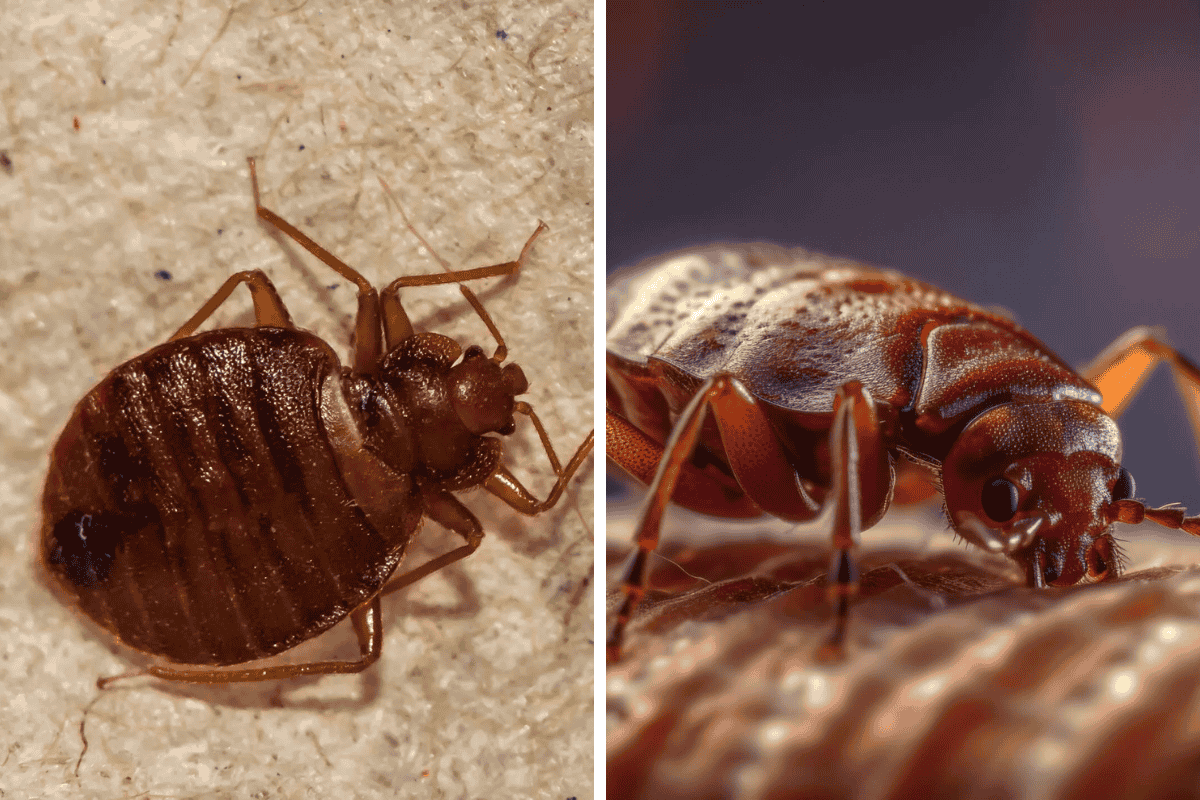
Minnesota faces a growing bed bug crisis, with cities like Minneapolis leading the charge in aggressive control measures amid rising infestations reported in recent Orkin rankings.
These resilient pests, thriving in urban density and travel hubs, have prompted coordinated efforts from local governments, pest control firms, and residents. This article explores five Minnesota cities battling the onslaught, their strategies, and the broader implications.
Minneapolis: Urban Epicenter
Minneapolis tops Minnesota’s bed bug hotspots, climbing to #40 on Orkin’s 2025 Top 50 U.S. list after debuting at #47 in 2024, based on treatment data from May 2024–May 2025. The city’s dense housing and transit systems fuel spread, with city code deeming infestations a violation in rentals.
Local efforts include the Healthy Homes program’s education via TPT videos and mandatory landlord reporting. Pest firms like Rove Pest Control deploy heat treatments (heating homes to 135°F) and biological spores targeting bed bugs exclusively. Residents are urged to inspect luggage post-travel; the city partners with Orkin for monitoring stations in high-risk apartments.
In 2025, Minneapolis launched a Bed Bug Task Force, subsidizing inspections for low-income buildings and fining non-compliant landlords up to $1,000. Heat eradicated 90% of infestations in pilot programs, outperforming chemical sprays that require multiple visits.
St. Paul: Twin Cities Counterattack
Neighboring St. Paul ranks high in regional data, with Pest Gnome’s 2024 study placing it among eight infested Minnesota cities behind Minneapolis (#24 nationally). Multi-unit dwellings and shelters drive cases, as bed bugs hitchhike via shared laundry and furniture.
The city’s Housing Code Enforcement teams conduct free inspections, mandating professional extermination within 10 days of detection. Rove and Done Right Pest Solutions offer combo treatments: dry heat plus interceptors under beds to trap crawlers. Public campaigns via Metro Transit posters educate on early signs like fecal spots and shed skins.
A 2025 initiative integrated bed bug protocols into shelter operations, reducing re-infestations by 40% through mattress encasements and canine detection dogs. Community workshops teach DIY prevention, like vacuuming seams and laundering at 120°F.
Rochester: Mayo Clinic’s Shadow
Rochester, home to Mayo Clinic, sees spikes from medical tourism and hotels, listed in Pest Gnome’s top 500 for 2024. Visitors unwittingly transport eggs, which hatch in patient rooms and rentals.
Olmsted County Public Health deploys mobile heat units for whole-home treatments, killing all life stages in one go. Local ordinance requires hotels to report cases quarterly; non-compliance risks license revocation. BugTech and Complete Ground Control emphasize preparation: decluttering and sealing cracks pre-treatment.
In 2026, Rochester piloted UV detection kits for residents, boosting early reporting by 25%. Clinic partnerships fund encasements for 500+ transitional housing units, curbing spread to vulnerable populations.
Duluth: Northern Frontier Fight
Duluth’s port activity and student housing at UMD fuel infestations, with cases rising in Pest Gnome rankings. Cold weather doesn’t deter bed bugs, which survive indoors at room temperature.
St. Louis County Extension partners with UMN for professional training on integrated pest management (IPM), combining heat, steam, and minimal pesticides. City code violations trigger joint inspections with fire marshals, focusing on dorms and motels.
A 2025 “Duluth Bug Blitz” used community-funded canine teams to screen 200 apartments, eliminating nests preemptively. Hotels adopted proactive steaming, reducing complaints by 35%, per MDH reports.
Bloomington: Suburban Siege
Bloomington, near Mall of America, battles bed bugs from shoppers and conventions, appearing in state-wide alerts. High-traffic retail spreads pests via bags and clothing racks.
Hennepin County vectors control subsidizes treatments for malls and condos, prioritizing heat over sprays to avoid resistance. Local firms like Adam’s Pest Control use monitoring glue traps and CO2 lures mimicking breath.
Bloomington’s 2026 ordinance mandates bed bug disclosures in rentals, with a hotline logging 300+ calls yearly. Partnerships with Orkin provide free workshops, teaching mattress inspections and isolation protocols.
Statewide Challenges and Solutions
Minnesota Department of Health (MDH) notes rural-urban spread, affecting homes to nursing facilities. Bed bugs resist many pesticides, necessitating non-chemical methods like 135°F heat, which kills eggs instantly.
Prevention tips: Inspect secondhand items, use encasements, and hot-wash clothes post-travel. UMN Extension trains pros on IPM, reducing reliance on sprays. Orkin’s data shows Chicago-like trends, but Minnesota’s cold slows outdoor survival.
SOURCES:
- https://quickcountry.com/bed-bug-infested-minneapolis/
- https://www.minneapolismn.gov/resident-services/property-housing/housing/healthy-homes/bed-bugs/