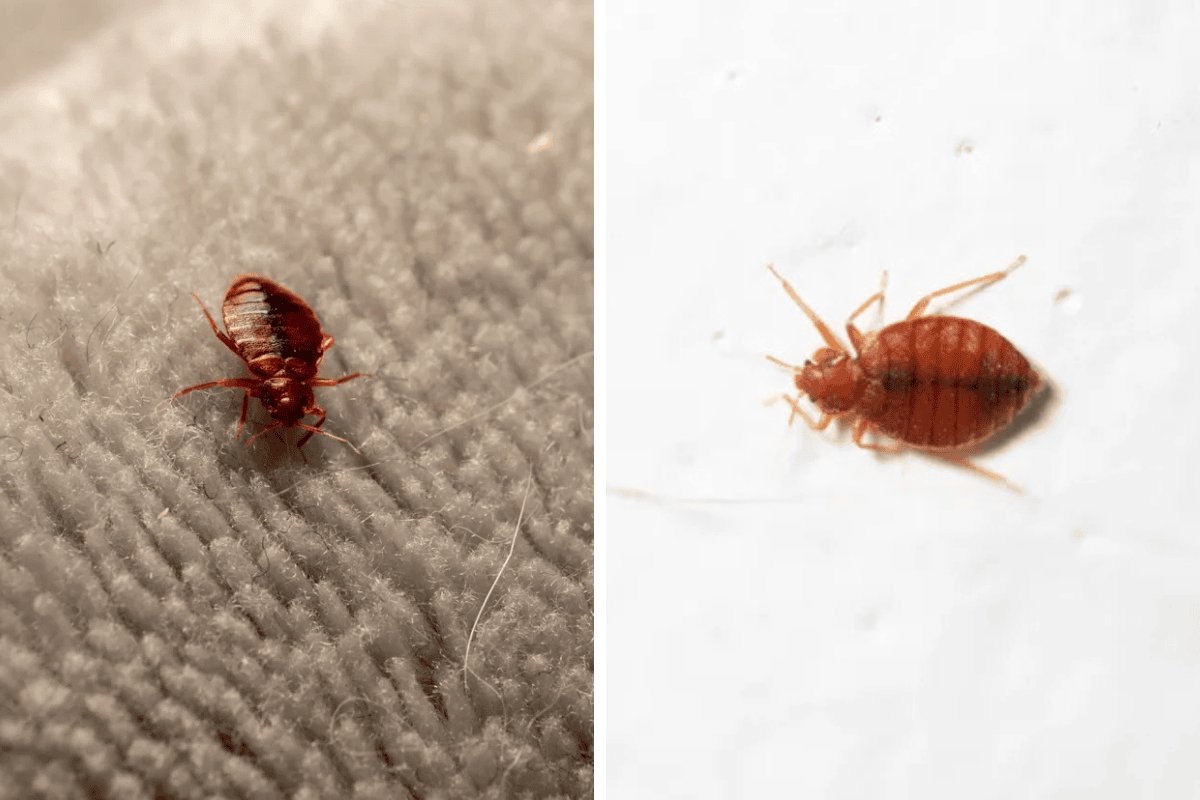
Rhode Island is waging a quiet war against bed bugs, with a handful of dense, lower‑income, and highly traveled cities carrying the heaviest burden of infestations. From courthouse offices to assisted‑living homes and crowded apartment blocks, local governments, landlords, and pest professionals are scrambling to contain an onslaught driven by travel, aging housing, and gaps in regulation.
Why Rhode Island Is Vulnerable
Rhode Island’s urban core is small but dense, which is ideal for bed bug spread through shared walls, hallways, transit, and social services. Older multi‑family housing, heavy tourism in Providence and Warwick, and a large renter population make it easy for these hitchhiking insects to move in luggage, used furniture, and clothing.
The state health department notes that bed bugs can survive for months without feeding, hide deep in cracks, and quickly reinfest if treatments are incomplete.
At the same time, regulations are fragmented: housing codes, health inspectors, and landlord‑tenant rules intersect in confusing ways that can delay decisive action when an infestation is first discovered. A 2026 bill (H7758) aims to tighten timelines for landlord response and clarify who pays for inspections and professional treatment in rental housing.
1. Providence: Ground Zero of the Bed Bug Battle
As the capital and largest city, Providence is at the center of Rhode Island’s bed bug problem—and its most aggressive responses. Older multi‑family buildings, college dorms, shelters, hotels, and courthouse offices form a dense network where bed bugs can leap from home to workplace and back again.
Recent headlines highlight just how visible the issue has become. Employees at the Garrahy Judicial Complex have publicly complained about bed bugs in the courthouse, with calls to temporarily close and fully treat the building. Low‑income housing complexes in the city have also drawn scrutiny for persistent infestations that overlap with cockroaches and rodents, creating a perfect storm of health and quality‑of‑life problems for residents.
Providence is fighting back on multiple fronts:
- Professional extermination contracts for public buildings and housing authorities, often including heat treatments and repeated follow‑up visits.
- Increased inspections and enforcement through the city’s minimum housing programs when landlords fail to address infestations in multi‑unit properties.
- A growing ecosystem of private pest‑control firms that specialize in bed bugs, using canine detection, heat, steam, and chemical treatments tailored to older urban housing stock.
For residents, the Rhode Island Department of Health (RIDOH) emphasizes early reporting and professional treatment, warning that DIY sprays often miss hidden harborages in walls, baseboards, and furniture. In Providence’s dense neighborhoods, that difference can determine whether a problem stays in one bedroom or spreads through an entire block.
2. Cranston: Suburban Apartments Under Siege
Cranston, just south of Providence, mirrors many of the same vulnerabilities: aging garden‑style apartments, mixed‑income neighborhoods, and commuter links that connect residents daily to Providence’s workplaces and institutions. In this environment, bed bugs typically arrive through infested luggage, used couches, or a visitor who spent the night in already affected housing.
Local exterminators describe Cranston as a steady hotspot, serving a circuit of apartment complexes, condos, and single‑family rentals where one untreated unit can re‑infest an entire building. Because bed bugs can travel along wiring, plumbing chases, and shared walls, treating only the “complaint” unit is rarely enough.
Cranston’s response hinges on:
- Property‑management contracts that mandate regular inspections and integrated pest management (IPM) strategies, including encasements, clutter reduction, and heat or steam.
- Enforcement of state housing codes that divide responsibility between tenants and landlords depending on how many units are infested, a rule RIDOH explains in its statewide bed bug fact sheets.
- Education campaigns, often in partnership with local pest companies, teaching residents to inspect second‑hand furniture, launder linens on high heat, and report sightings early.
But challenges remain, especially when a tenant cannot afford preparation steps—like laundering dozens of bags of clothing—or fears retaliation for reporting a problem. That’s precisely the gap the 2026 H7758 legislation tries to close by standardizing notice, inspection, and cost‑sharing rules in rental housing.
3. Warwick: Tourism, Airports, and Hotel Hotspots
Warwick, home to Rhode Island T.F. Green International Airport and a cluster of hotels along major highways, confronts bed bugs from a different angle: constant inflows of travelers. Bed bugs are notorious hitchhikers, and even one infested suitcase can seed a hotel room, shuttle van, or rental car.
Pest‑control providers note that hospitality businesses in Warwick and nearby Providence must be “vigilant” because of the rapid turnover of guests and the reputational damage a single viral review can cause. Typical responses include:
- Proactive inspections of hotel rooms, particularly headboards, mattress seams, and upholstered furniture.
- Contracts for rapid heat or chemical treatment when bed bugs are reported in a room or adjoining units.
- Staff training so housekeeping can spot early signs—dark spots, shed skins, live bugs—before guests are widely exposed.
Warwick’s bed bug story doesn’t end with hotels. Commuters who travel frequently, renters near the airport, and staff who work in hospitality often bring bed bugs home unknowingly. That, in turn, feeds demand for residential bed bug control in neighborhoods near major transportation hubs.
4. Pawtucket: Old Mill Housing and New Pest Pressures
Historic Pawtucket, with its legacy of mill buildings and dense working‑class neighborhoods, faces bed bug issues that closely resemble those of Providence but with fewer resources. Converted mill lofts and older triple‑deckers provide abundant cracks and crevices where bed bugs can hide between treatments.
Pest‑control companies that serve Pawtucket report bed bugs as a recurring problem alongside rodents, cockroaches, and other pests typical of aging infrastructure. In many cases, residents rely on landlords to arrange professional services, but uneven enforcement can leave tenants caught between rising bites and slow action.
Local efforts to combat the problem often revolve around:
- Coordinated building‑wide treatment plans that cover multiple units simultaneously to prevent “ping‑pong” reinfestations.
- Tenant education on preparation (bagging items, laundering, reducing clutter) and how to avoid spreading bugs when visiting relatives or using shared laundry rooms.
- Engagement with city minimum‑housing inspectors when landlords fail to comply with Rhode Island’s requirement that multi‑unit infestations become the owner’s responsibility.
As in Providence, the mix of poverty, old buildings, and high tenant turnover makes Pawtucket a crucial front in the state’s broader bed bug campaign.
5. Coventry (and Surrounding Communities): Vulnerable Facilities in the Suburbs
Bed bugs are not confined to inner‑city apartments. In Coventry, a suburban town southwest of Providence, an assisted‑living facility called Summer Villa has become a symbol of how stubborn and traumatic long‑term infestations can be for seniors and people with disabilities.
Residents have described being “covered” in bites and living in fear of retaliation for speaking out, while simultaneously acknowledging that the facility has one of the most aggressive pest‑control plans in the state: regular canine inspections, repeated heat treatments, and frequent visits from professional exterminators.
The Rhode Island Department of Health has documented bed bug issues at the facility over multiple years, emphasizing how difficult eradication can be in communal, high‑turnover settings.
Coventry and similar communities are focusing on:
- Stronger oversight of licensed care facilities through RIDOH’s Center for Health Facility Regulations, including documentation of pest‑control plans and follow‑up inspections.
- Facility‑wide protocols for laundering linens, sealing cracks, encasing mattresses, and isolating affected rooms during treatment.
- Communication with families so they can understand risks, advocate for residents, and avoid inadvertently transporting bed bugs in clothing or personal items.
These suburban cases underscore a central truth: bed bugs are not a “city problem”—they are a statewide issue that follows people wherever they sleep, gather, or seek care.
Statewide Rules: Who Pays, Who Acts, and When
Behind these city‑level battles is a shifting legal framework that shapes how quickly bed bugs are discovered and treated.
RIDOH’s guidance explains that when an infestation is limited to a single dwelling unit in a multi‑unit building, the occupant is typically responsible for extermination; when the problem spreads to two or more units or shared/common areas, the building owner becomes responsible.
H7758, introduced in 2026, would tighten and standardize this system for rental housing across Rhode Island. The bill:
- Requires tenants to promptly notify landlords of suspected bed bugs.
- Requires landlords to inspect the unit within 96 hours.
- Generally makes landlords responsible for paying inspection and professional treatment costs.
- Obligates tenants to grant access and cooperate with prep steps, with cost‑shifting if they refuse.
- Prohibits landlords from knowingly renting infested units and requires disclosure of infestation history when tenants ask.
These rules are designed to break the cycle where tenants fear reporting, landlords delay, and bed bugs spread silently through a building.
Tools and Tactics: How Cities Are Fighting Back
Across Providence, Cranston, Warwick, Pawtucket, Coventry, and beyond, Rhode Island cities are converging on a common playbook grounded in science‑based pest management and public‑health guidance.
Core strategies include:
- Professional inspections and treatments: RIDOH stresses that bed bugs are extremely difficult to remove with over‑the‑counter products alone; licensed pest‑control firms use targeted insecticides, steam, vacuuming, and whole‑room or whole‑unit heat treatments.
- Encasements and laundering: Mattress and pillow encasements, along with frequent washing and drying of clothing, linens, and towels on high heat, help reduce hiding places and kill bugs and eggs.
- Structural fixes: Sealing cracks, baseboards, and electrical boxes with silicone‑based sealants reduces the harborage spots that let bed bugs survive between treatments or move between apartments.
- Education and outreach: Many Rhode Island pest‑control companies and city health departments now provide brochures, online guides, and on‑site trainings to help residents recognize early signs—bites, dark fecal spots, shed skins—and respond before infestations explode.
The Rhode Island Department of Health’s “Some Facts About Bed Bugs” materials emphasize that treatments must be thorough and repeated, or bed bugs will “soon be back,” a reality most landlords and tenants in these five cities have learned the hard way.
Living with (and Beating) Bed Bugs in Rhode Island
For people on the front lines—court clerks in Providence, renters in Cranston and Pawtucket, hotel workers in Warwick, seniors in Coventry’s care facilities—bed bugs are more than a nuisance. They are itchy, stigmatizing, emotionally exhausting invaders that can turn sleep into a nightly anxiety ritual.
Yet Rhode Island’s response is evolving. Stronger statewide legislation, more assertive local code enforcement, and a mature pest‑control industry are giving cities new tools to turn the tide. The lesson emerging from these five communities is clear: early reporting, coordinated building‑wide action, and professional treatment are the difference between a minor flare‑up and a full‑blown insect invasion.
SOURCES:
- https://health.ri.gov/healthy-homes/bed-bugs
- https://www.guardianpestri.com/pest-control/bed-bugs/