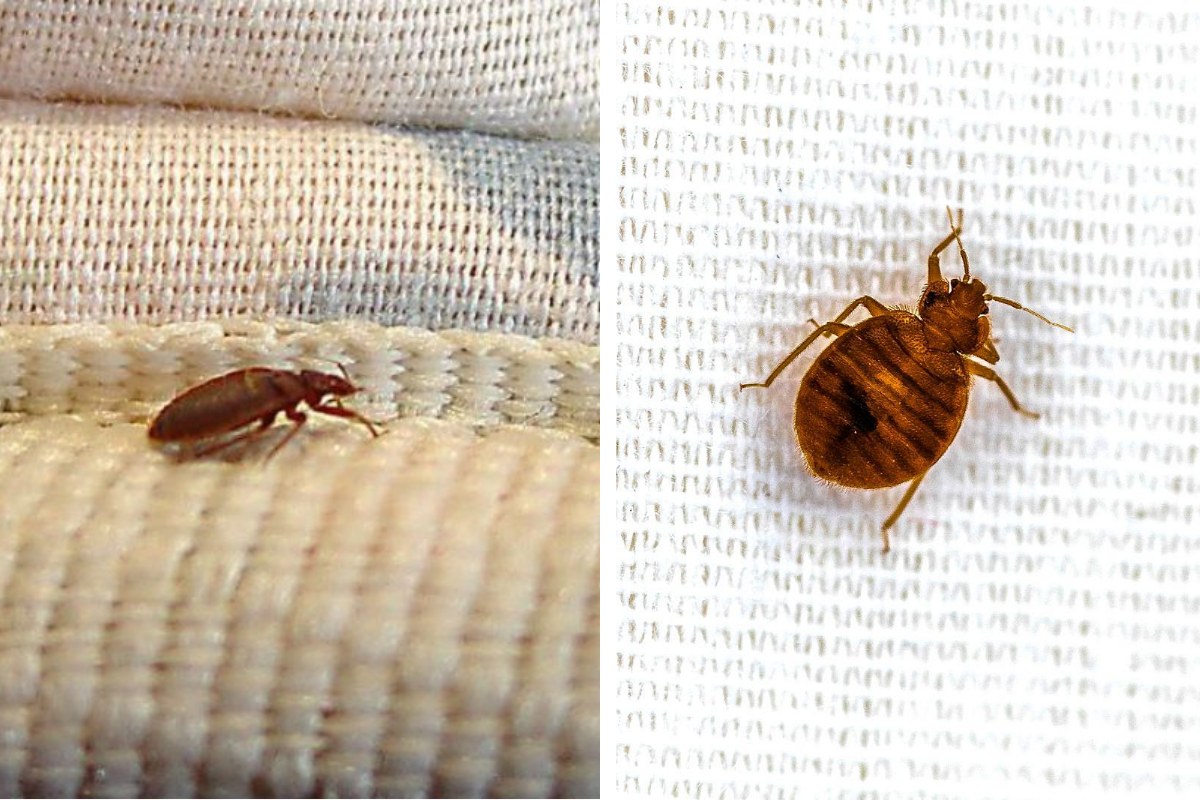
Bed bugs have resurged as a major nuisance in Washington State, prompting cities to expand inspection programs, tenant education, and targeted pesticide and heat‑treatment campaigns to control outbreaks and limit spread.
Local public‑health and housing authorities emphasize prevention, early detection, and coordinated responses because bed bugs spread quickly in multiunit housing and travel hubs.
1. Seattle
Seattle has been one of the most visible battlegrounds against bed bugs, with pest‑control firms and public health partners running education campaigns for landlords and tenants. The city’s approach combines tenant outreach (how to spot signs, when to report), subsidies or referrals for professional heat treatments, and guidance for landlords on legal responsibilities and integrated pest management to prevent re‑infestation.
2. Tacoma
Tacoma has focused on apartment complexes and shelters, where infestations are most disruptive. The city coordinates inspections, offers lists of licensed pest‑control providers, and works with nonprofit partners to provide temporary relocation assistance during treatments — a crucial step because effective heat treatments require residents to vacate treated units briefly to allow the process to reach all hiding spots.
3. Spokane
Spokane’s response emphasizes early detection and routine monitoring in multifamily buildings and hospitality settings. Local health authorities distribute checklists for housekeeping and hotel staff, encourage hotels to inspect rooms between guests, and promote the use of mattress encasements and proactive inspections in transitional housing facilities to reduce resident exposure and stigma around reporting.
4. Vancouver (Clark County)
Vancouver and Clark County have invested in public education and collaboration with property managers to create standard protocols for reporting and treatment. The county’s fact sheets explain how to inspect luggage, furniture, and mattress seams, while community housing programs sometimes provide financial assistance or negotiated rates with pest‑control companies to help low‑income renters address infestations promptly.
5. Bellingham
Bellingham targets student housing and seasonal workforce accommodations, where high turnover increases risk. Strategies include orientation materials for students about inspecting secondhand furniture, free or low‑cost inspection events at the start of academic terms, and partnerships with local exterminators to offer bundled treatments for adjoining units to prevent spread through shared walls and wiring chases.
How cities fight bed bugs
- Education: All five cities prioritize clear, accessible guidance for residents and landlords on detection (rusty spots, shed skins, mattress seam inspection) and immediate steps to take, because early reporting dramatically improves treatment success.
- Coordinated treatment: Effective programs use professional heat treatments or approved insecticides and treat adjacent units simultaneously in multiunit buildings to stop reinfestation.
- Financial and logistical support: Many municipalities connect low‑income residents with funding sources, temporary relocation help, or negotiated pest‑control discounts to remove barriers to prompt remediation.
- Prevention policies: Cities encourage use of mattress encasements, cautious acceptance of secondhand furniture, and luggage protocols after travel to reduce introductions.
- Data and targeted action: Local health departments track complaint clusters to prioritize inspections and outreach in high‑risk neighborhoods and housing types.
SOURCES:
- https://secretdc.com/worst-cities-for-bed-bugs-dc-2025/
- https://katsfm.com/washington-bed-bug-city/