
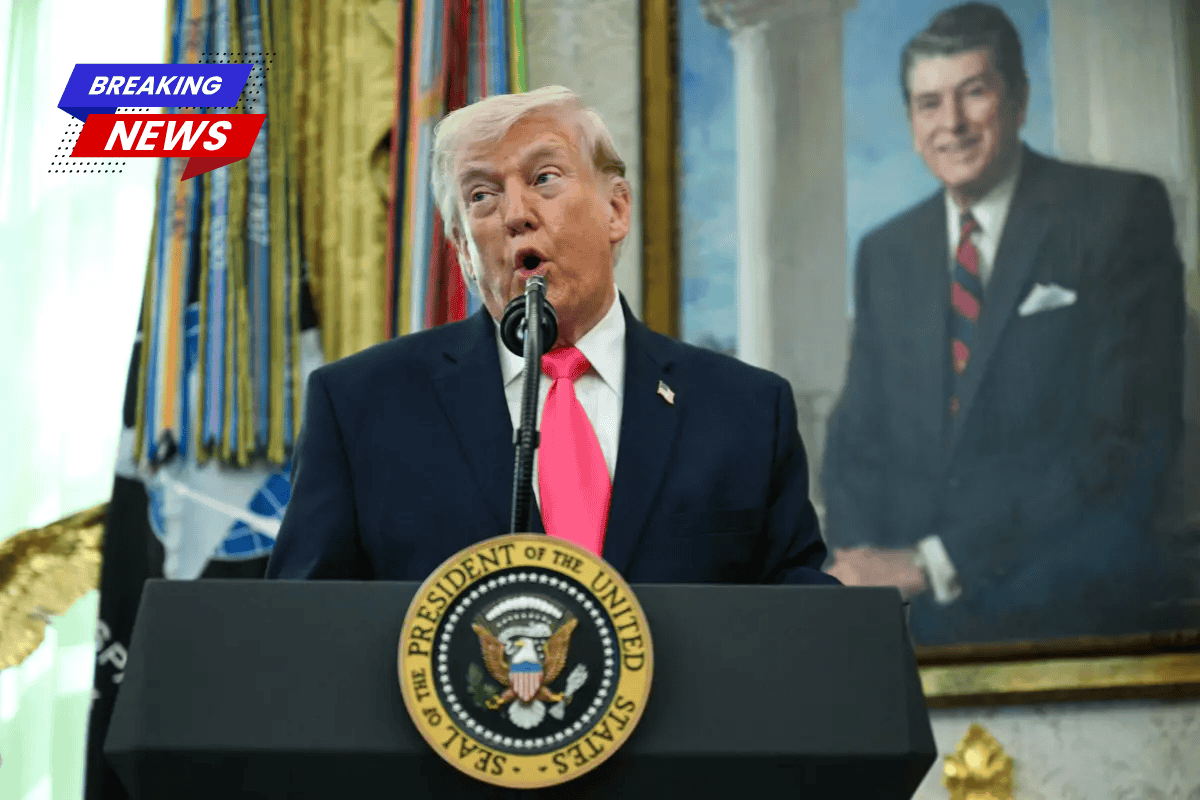
Tensions between Iran and Donald Trump have taken a sharp turn, as Tehran has completely rejected a proposed peace plan and instead presented its own strict conditions. The situation highlights how far apart both sides remain, even as efforts continue to end the ongoing conflict.
Iran rejects Trump’s peace proposal
Iran made it clear that it does not accept the peace plan suggested by Donald Trump. Earlier, Trump had claimed that Iran was open to key parts of the proposal, including stopping its nuclear ambitions. However, Iranian officials denied this and described the plan as unrealistic and unacceptable.
According to reports, Iran believes the US proposal does not reflect the current situation on the ground and places too many restrictions on its sovereignty and defence policies.
Iran’s new demands for ending the war
Instead of accepting the US proposal, Iran has presented its own conditions. One of the most important demands is full control over the Strait of Hormuz. This waterway is extremely important because around 20% of the world’s oil supply passes through it.
Iran wants authority over this route and the ability to collect fees from ships, similar to how Egypt manages the Suez Canal. It also demanded that all economic sanctions against it be removed, which would significantly boost its economy.
Military and regional conditions
Iran has also called for a complete withdrawal of US forces from the Gulf region. In addition, it wants compensation for damages caused during the conflict.
The country has insisted that it should be allowed to continue its missile programme without restrictions. It also demanded an end to conflicts involving its allied groups, including Hezbollah in Lebanon.
These conditions show that Iran is not willing to compromise on its military capabilities or regional influence.
What the US peace plan included
The US proposal had several strict conditions aimed at limiting Iran’s military and nuclear power. These included stopping uranium enrichment, dismantling nuclear facilities, and allowing international inspections.
The plan also required Iran to stop supporting armed groups in the region and to limit its missile programme. In return, the US offered relief from sanctions and support for peaceful nuclear development.
However, these conditions directly clash with Iran’s demands, making agreement difficult.
Why the gap between both sides is so wide
The main issue is that both countries have completely different expectations. The US wants to reduce Iran’s military and nuclear capabilities, while Iran wants more control, fewer restrictions, and economic relief.
There are also no direct talks happening between the two sides at the moment. Instead, mediators from the Middle East are trying to find a middle ground, but progress has been slow.
Global importance of the conflict
This conflict is not just about two countries. It has a global impact, especially because of oil supply routes like the Strait of Hormuz. Any disruption there can affect fuel prices and economies around the world.
The ongoing tensions also increase uncertainty in the region, making it harder to maintain stability and peace.






