
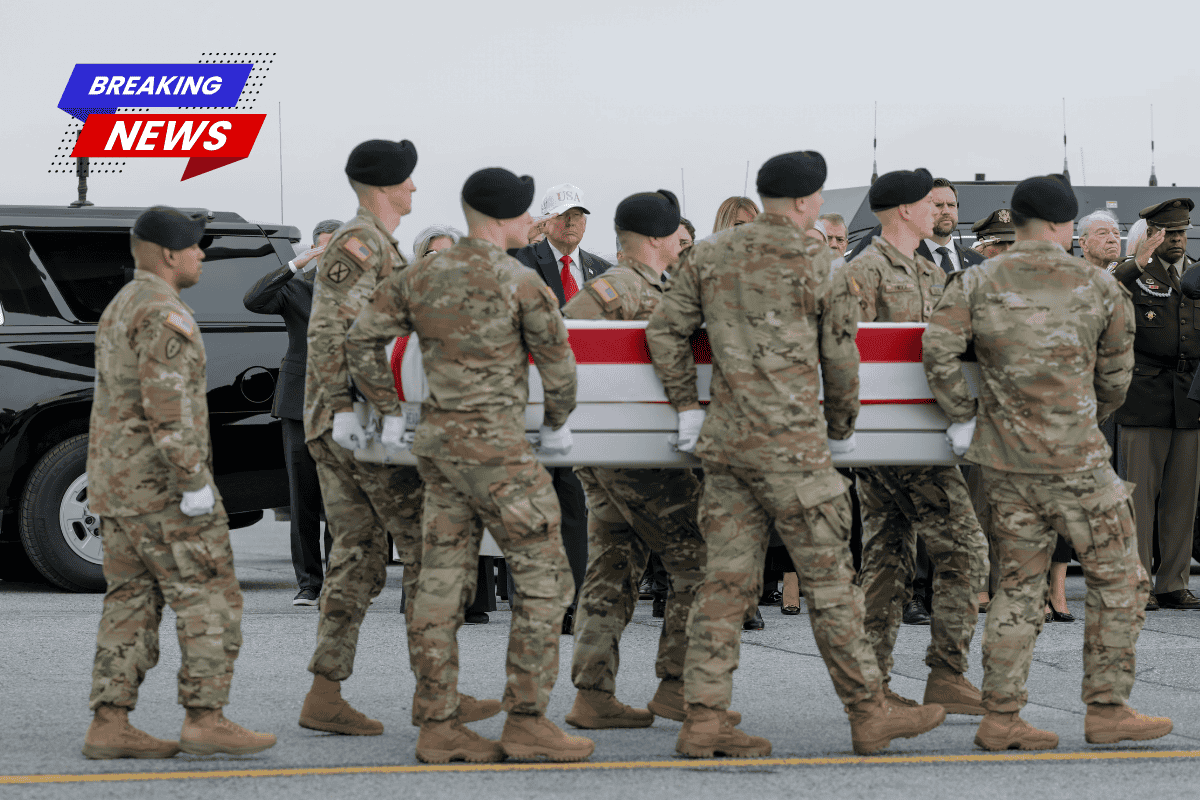
The aftermath of an Iranian drone strike on a U.S. military position in Kuwait is drawing increased scrutiny after new reports revealed that the number of injured troops may be far higher than initially disclosed. While the Pentagon first reported only a handful of serious injuries, multiple sources now say dozens of service members were wounded in the attack.
Iranian Drone Strike in Kuwait Leaves Dozens of U.S. Troops Injured
An Iranian drone strike targeting a temporary U.S. tactical operations center in Kuwait reportedly killed six American service members and injured more than 30 others, according to multiple sources familiar with the situation.
The attack occurred during the early stages of the ongoing military conflict involving the United States, Israel, and Iran.
New details shared with reporters suggest the scale of injuries may have been significantly greater than early public statements indicated.
Many Troops Suffered Severe Injuries
Sources told reporters that numerous service members sustained serious injuries during the strike.
Reported injuries included:
- Burns
- Shrapnel wounds
- Traumatic brain injuries
Many of the wounded required immediate evacuation for advanced medical care.
Dozens Evacuated to Military Hospitals
Among the injured, 25 service members were transported to Landstuhl Regional Medical Center in Germany, one of the U.S. military’s main overseas hospitals.
Of those patients, 20 were classified as urgent medical cases, meaning they required immediate evacuation and treatment.
They were flown to Germany aboard a C-17 military transport aircraft.
To handle the sudden influx of patients, more than 100 medical personnel were reportedly deployed to Landstuhl to assist with treatment.
Additional wounded service members were transported to medical facilities in the United States.
These included:
- 12 troops hospitalized at Walter Reed National Military Medical Center in Washington, D.C.
- 1 service member treated at Brooke Army Medical Center in San Antonio, Texas
Questions About Base Defenses
Sources also indicated that the operations center targeted in the strike may not have had full defensive protection.
According to reports, personnel stationed at the facility:
- Did not have counter-rocket, artillery, and mortar defense systems in place
- Did not receive requested drone defense equipment
- Did not hear warning sirens in time before the attack
The lack of protective systems has raised concerns about security preparations at the location.
Pentagon’s Initial Reported Casualties
Shortly after the strike, U.S. Central Command stated that five troops had been seriously injured and that several others suffered minor injuries.
Officials initially suggested that most of the wounded were expected to return to duty.
However, the newer reports suggest that the number of serious injuries may have been significantly higher.
Controversy Over Defense Department Response
The incident has also drawn attention due to remarks reportedly made by Defense Secretary Pete Hegseth.
According to reports, Hegseth referred to the attack as “a squirter,” a military term often used to describe a small or limited strike.
He later criticized media coverage of the incident, suggesting that reports about the casualties were being used politically.
These comments have fueled criticism from some observers who say the severity of the attack may have been downplayed.
Military Notification Process for Injuries
The Pentagon typically follows a strict protocol when service members are injured.
Before publicly releasing details, the military usually notifies the families of affected personnel.
This process is designed to ensure that relatives do not learn about injuries through media reports or public statements.
Because of this system, detailed casualty information is sometimes released gradually.
Growing Scrutiny Over the Conflict
The attack in Kuwait has become one of the first major flashpoints in the ongoing U.S. military campaign against Iran.
Critics say the situation raises broader questions about the transparency of casualty reporting during the conflict.
As more information emerges about the number of injured service members and the circumstances of the strike, lawmakers and analysts may seek additional explanations from defense officials.






