The global spotlight is now firmly on the Strait of Hormuz, as tensions involving Iran, the United States, and Israel continue to rise. What was once just a major oil route has now become a powerful tool in global politics, with Iran trying to turn it into both an economic and strategic advantage.
Why the Strait of Hormuz Matters So Much
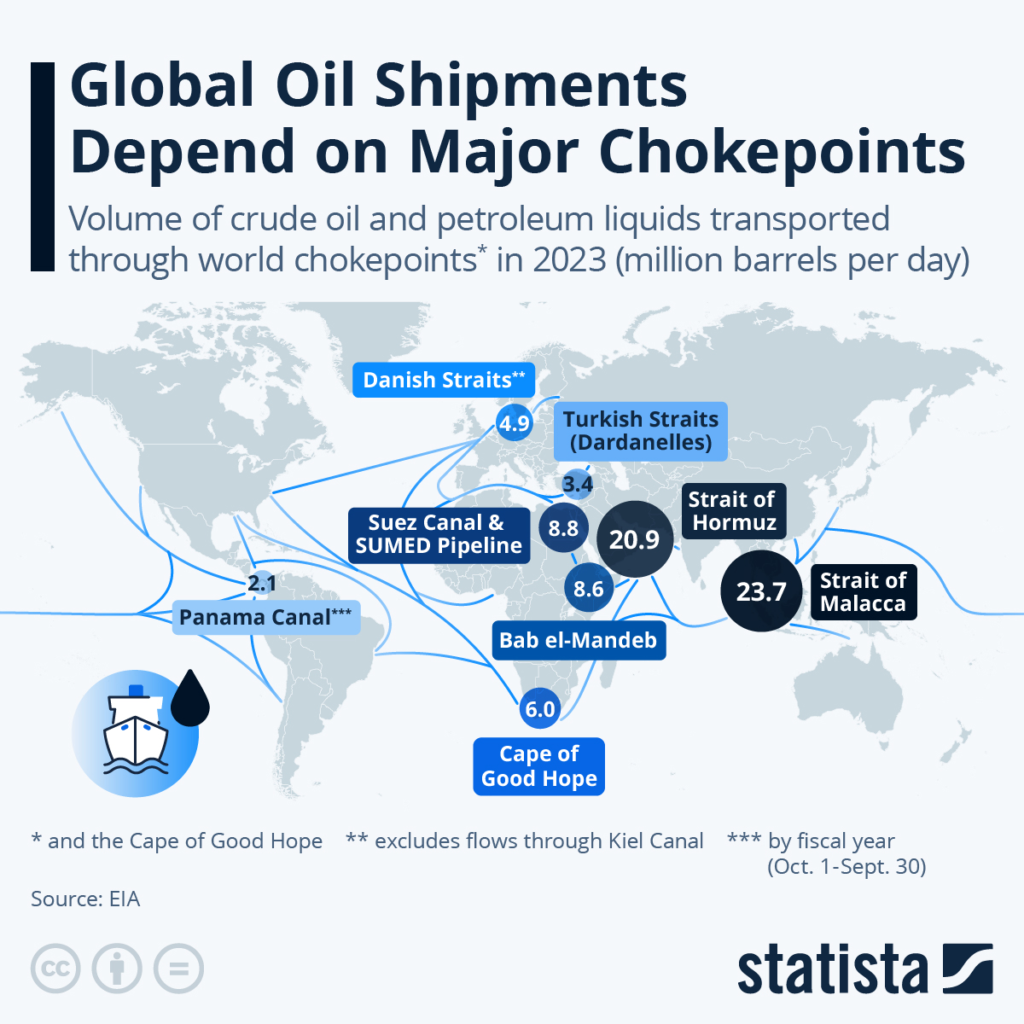
The Strait of Hormuz is one of the most important shipping routes in the world. Nearly one-fifth of global oil and liquefied natural gas (LNG) passes through this narrow waterway every day. Because of this, even small disruptions can affect fuel prices and supply across the globe.
Recently, shipping in the area has slowed down sharply due to Iranian actions, creating panic in global energy markets. Many countries are now taking emergency steps to secure fuel supplies.
Iran’s New Strategy: Turning Power into Profit
Iran has long threatened to block the strait during conflicts, but now it appears to be going a step further. Instead of just blocking access, it is exploring the idea of charging ships a fee to pass through.
This idea includes:
- Charging oil tankers millions of dollars per trip
- Creating a controlled system where ships must get approval
- Using the strait as leverage in political negotiations
Experts believe that Iran was surprised by how effective its strategy has been. What started as a defensive move has now become a powerful bargaining tool.
Possible Earnings Could Be Massive
If Iran successfully implements a toll system, it could earn huge amounts of money.
Every day, around 20 million barrels of oil pass through the strait. If each large tanker is charged about $2 million, Iran could earn hundreds of millions of dollars every month. Including LNG shipments, the total could go even higher.
This would put its earnings close to what Suez Canal generates for Egypt in a typical month.
Legal and Global Concerns
Not everyone agrees with Iran’s plan. According to international law, countries are not allowed to charge fees for passage through international waterways like the Strait of Hormuz.
Rules under the United Nations Convention on the Law of the Sea (UNCLOS) allow ships to pass freely through such straits.
Experts argue that Iran’s proposal could violate these rules and create serious global tension. The U.S. and its allies have already warned that such actions would be unacceptable and dangerous for global trade.
Early Signs of a Controlled System
Even though no official system is in place yet, there are signs that Iran may already be testing this idea.
Some reports suggest:
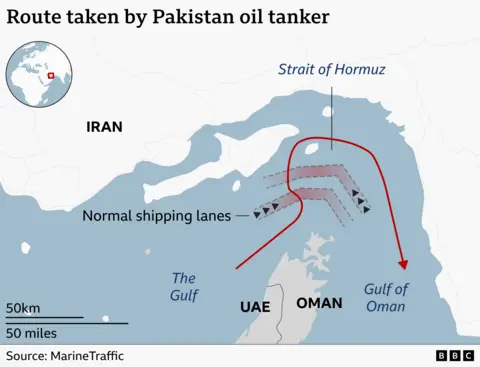
- Certain ships are using routes closer to Iran’s coastline
- A few vessels may have paid for safe passage
- Iran has started registering approved ships
There is no public confirmation from shipping companies, but industry experts say the situation is already affecting global trade, with many ships avoiding the area.
Impact on the World Economy
The biggest concern is not just about oil but about global stability. If the flow of energy is disrupted, it can lead to:
- Rising fuel prices worldwide
- Increased cost of goods and transportation
- Pressure on countries that depend heavily on imported energy
This makes the situation far more serious than a regional conflict.