Rising tensions between Iran and the United States are once again putting global trade and oil supply at risk, even as peace talks continue. The situation has created uncertainty across international markets and political circles.
Iran Warns Over Strait of Hormuz
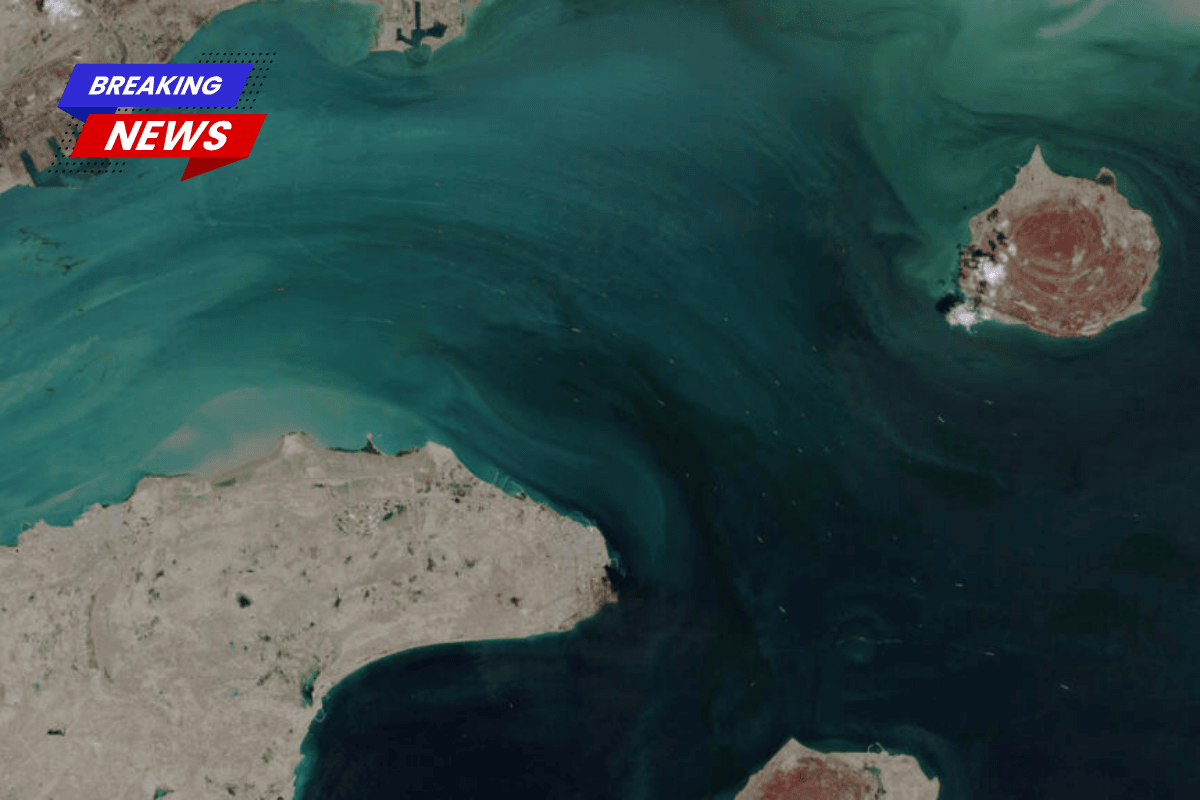
Iran has warned that it could shut down the Strait of Hormuz if the United States continues its naval blockade of Iranian ports.
This waterway is extremely important, as nearly 20% of the world’s oil and gas passes through it. Any disruption could have a major impact on global energy prices and supply chains.
US Blockade and Rising Tensions
United States forces have reportedly stopped several ships linked to Iran from moving through the region. Officials say this action is part of ongoing pressure on Tehran.
In response, Iranian leaders called the blockade a violation of the ceasefire agreement and warned of “appropriate action” if it continues.
Trump Signals Possible Peace Deal
At the same time, Donald Trump said that a broader peace deal with Iran could be “very close.”
He claimed that key issues, including Iran’s enriched uranium stockpile, were nearly resolved. However, Iranian officials denied this and said they have no plans to give up their nuclear material.
Fragile Ceasefire and Regional Impact
The tension comes shortly after a ceasefire linked to conflict in Lebanon. The truce allowed some stability in the region and led to the reopening of the Strait of Hormuz.
Countries like Pakistan have been involved in mediating talks between the two sides, trying to push for a long-term agreement.
However, the situation remains fragile, with both sides sending mixed signals.
Impact on Global Markets
The possibility of a peace deal initially boosted stock markets and lowered oil prices. Investors became hopeful that tensions would ease.
But new threats from Iran have brought back uncertainty. If the Strait of Hormuz is closed again, oil prices could rise sharply and affect economies worldwide.
Ongoing Conflict in the Region
The broader conflict also involves groups like Hezbollah and countries such as Israel.
While some progress has been made through ceasefires, fighting and political disagreements continue, making the region unstable.
Why This Situation Matters
The Strait of Hormuz is one of the most critical trade routes in the world. Any disruption can affect fuel prices, global trade, and economic stability.
At the same time, ongoing negotiations show that diplomacy still has a chance to prevent further conflict.