After a brief sense of hope following the killing of Iran’s supreme leader, Ayatollah Ali Khamenei, local Iranian-Americans in the New Orleans area are feeling anxious and uncertain as President Trump extends negotiations with Iran for two more weeks.
Disillusionment Amid Peace Talks
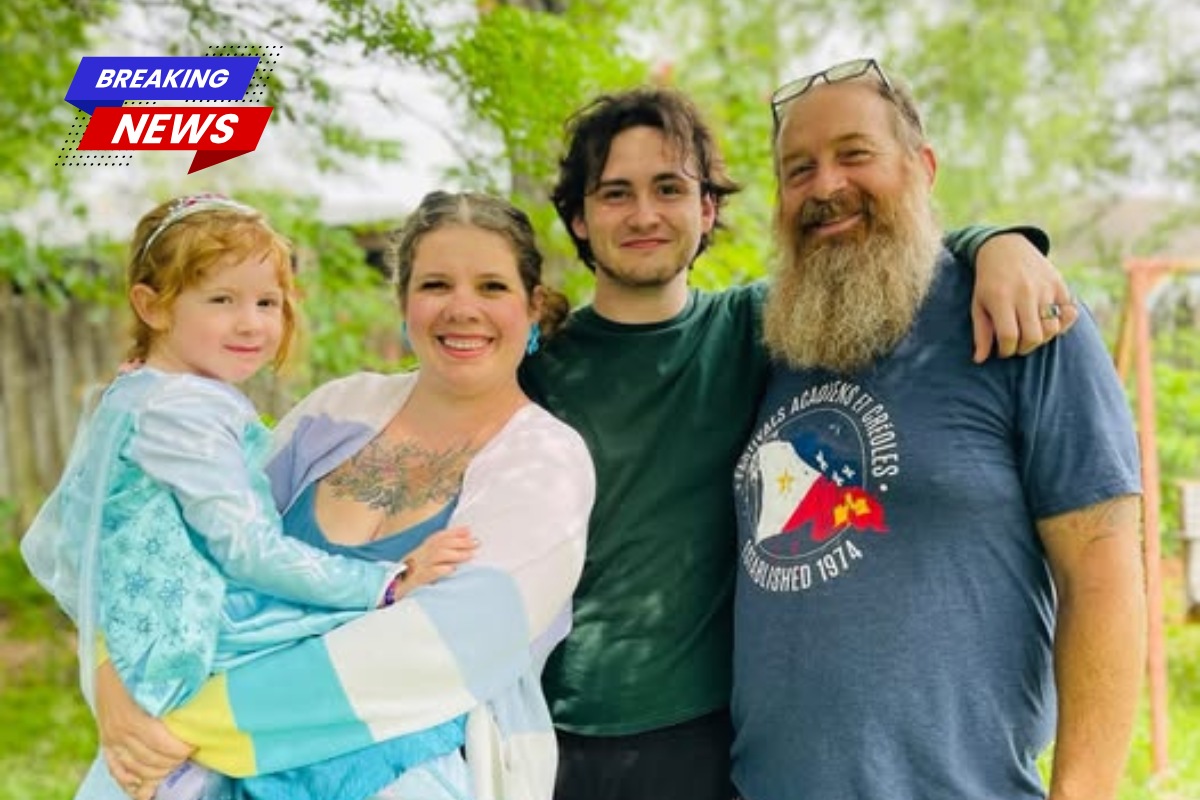
In his statement on April 7, President Trump suggested that Pakistan would serve as a key negotiator in the talks, promising that the agreement would bring harmony to the region. However, Zohreh Khaleghi and her son Ali Khaleghi, both members of the local Iranian-American community, expressed skepticism about the promises made by the Iranian regime.
Zohreh Khaleghi voiced her doubts, saying, “I don’t believe anything the Iranian regime promises,” while her son Ali added, “These are just words. There’s no certainty what will truly happen. And I, actually, I feel that brings more anxiety and fear to people, because now they have to wait two more weeks.”
Violence and Fear in Iran
The Khaleghis described their ongoing concerns about the safety of family members still in Iran. Zohreh pointed to the death of a friend’s doctor in Iran as another example of the escalating violence against innocent civilians.
The Khaleghis explained that some of their relatives moved north in hopes of avoiding the violence, and at one point, much of the capital city, Tehran, was left empty.
Ali Khaleghi recalled moments of hope when the U.S. played a role in eliminating Iran’s supreme leader, Ayatollah Ali Khamenei, who had ruled the country with a restrictive Islamic regime for decades.
During that week, there was a sense of hope, based on the tone of their voice, because there was a potential sign they will get their true freedom,” Ali said. However, he noted that the tone has shifted in recent days with President Trump’s provocative remarks.
Trump’s Remarks and the Impact on Local Iranian-Americans
The announcement from President Trump that “a whole civilization (would) die” as a result of tensions with Iran left many local Iranian-Americans feeling unsettled. Margot Roya Scott, a Persian-American, expressed deep offense at the president’s statement, likening the situation to a game of strategic moves between two evils.
“I feel like now it’s just two evils, responding back and forth with their own chess moves on the chessboard,” Scott said.
Despite this, Scott emphasized the resilience of the Iranian people and their culture, stating, “The culture and a whole civilization that’s 93 million people is stronger than your bombs. They are dancing and still making music in ruin and rubble.”
Continuing to Hope for Peace
Despite the uncertainty, local Iranian-Americans continue to hope for a free and peaceful Iran. Ali Khaleghi expressed the desire to remain a voice for those still in Iran, stating, “We need to be their voice. We feel their strength. We hear their heart. We will continue to be their voice and do what we can, just hoping that they find peace and everyone can live peacefully.”