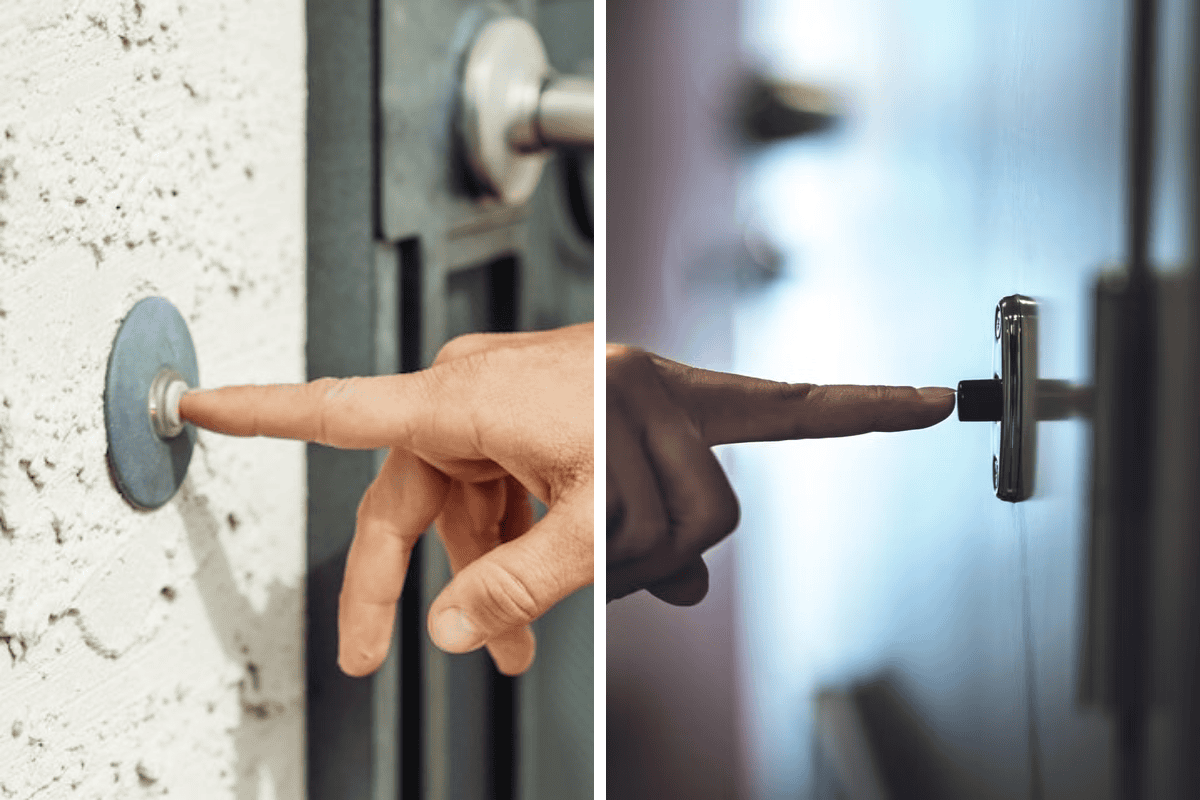
Ding dong ditch is not directly outlawed by its own statute in Alabama, but it can easily turn into a crime depending on how it is done and where. The prank itself—ringing a doorbell and then running away—is not specifically named as a misdemeanor or petty offense in Alabama’s code, so the act alone is not automatically illegal.
However, Alabama law treats unauthorized entry onto someone else’s property, noisy or repeated disruptions, and any damage to property very seriously, and those rules can quickly pull ding dong ditching into criminal territory.
When ding dong ditch becomes trespassing
The core legal risk in Alabama comes from trespass statutes. Alabama law defines “criminal trespass” in three degrees, with the focus on intentionally entering or staying on someone else’s land or inside a dwelling without permission.
If kids or teens ring a doorbell and then step onto a porch, walkway, or fence line that is clearly private and posted, a homeowner can claim that behavior amounts to criminal trespass in the third degree, especially if the person repeatedly comes back.
In practice, this means that even a “fun” prank can trigger misdemeanor charges if law enforcement concludes that someone entered or stayed on the property without authorization. First‑degree trespass, which applies when someone knowingly enters a dwelling unlawfully, is a Class A misdemeanor punishable by up to one year in jail and a fine of up to 6,000 dollars, so Alabama takes property‑intrusion offenses seriously.
Disorderly conduct and disturbing the peace
Another legal hook in Alabama is disorderly‑conduct or disturbing‑the‑peace law, which can apply when noisy, repeated, or rowdy behavior disrupts the peace of a neighborhood. If a group of pranksters ring multiple doorbells, shout, set off firecrackers, or cause a late‑night commotion, officers can treat that as disorderly conduct rather than a harmless prank.
In some cases, particularly if the behavior is repeated or especially aggressive, local prosecutors may charge participants with misdemeanor offenses, even if no property is damaged.
Because Alabama does not have a specific statute titled “ding dong ditch,” the decision to charge often falls to the officer and the local prosecutor. Some jurisdictions may issue warnings or juvenile citations, while others may treat it like any other trespass or nuisance and pursue misdemeanor charges, especially if the behavior is repeated or if homeowners complain.
Property damage and mischief
If ding dong ditching escalates to egging, TP‑ing, or knocking over plants, Alabama’s criminal‑mischief laws come into play. Under Alabama Code § 13A‑7‑23, causing damage to property—such as spray‑painting, breaking windows, or smashing mailboxes—can be charged as criminal mischief, with the level of the offense depending on the dollar value of the damage.
Even minor damage can lead to a Class B misdemeanor with potential jail time and fines, which is why many Alabama lawyers caution parents that what starts as a joke can quickly become a real criminal record for a young person.
Practical rules to avoid legal trouble
In Alabama, the safest way to avoid trouble is to treat any property—front porch, yard, driveway, or sidewalk near the house—as someone else’s space unless you have explicit permission to be there. Avoid ringing doorbells, knocking, or “prank messaging” at houses where you do not know the owners, and never damage, litter, or make loud or repeated disturbances.
Even if the prank seems harmless, it can still be reported as trespass or disorderly conduct, and a pattern of behavior can lead to more serious charges than a one‑off incident.
SOURCES:
- https://vistacriminallaw.com/doorbell-ding-dong-ditching/
- https://www.hazzardfirm.com/blog/how-does-alabama-define-and-penalize-criminal-trespass-charges/