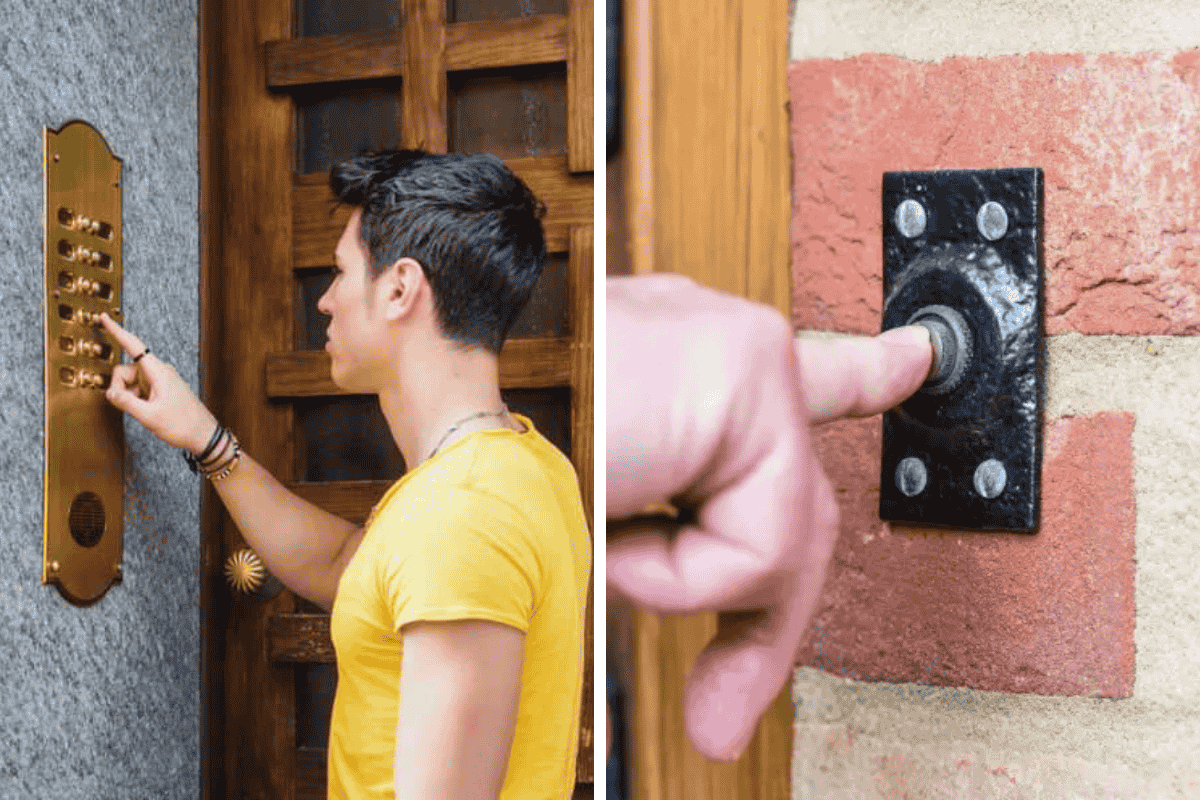
Ding dong ditch—ringing a doorbell or knocking and running away—is not explicitly illegal in Maine, but it risks charges for trespassing or disorderly conduct if it disturbs residents or causes damage. While often dismissed as a teen prank, real-world incidents show serious dangers and potential legal fallout for participants.
What Is Ding Dong Ditch?
This prank involves approaching a home’s door, sounding the bell or knocking loudly, then fleeing before the occupant answers. Popular among kids for thrills, it can happen late at night, heightening annoyance or fear. Variations like door-kicking escalate risks, as seen in viral TikTok challenges.
No Specific Maine Law
Maine statutes lack a dedicated ban on ding dong ditching; it’s not criminalized outright. Police typically issue warnings rather than arrests for isolated incidents, especially with minors. Enforcement focuses on context, like repetition or time of day.
Potential Charges
Trespassing under Title 17-A §402 occurs if you enter posted property without permission or refuse to leave when asked. Disorderly conduct (Title 17-A §501) applies for making unreasonable noise or disturbances that alarm others. Property damage, like to doors, triggers criminal mischief charges.
Key Maine Case: Harrison Shooting
In July 2024, teens in Harrison played ding dong ditch at 1 a.m.; resident Vincent Martin fired shots, wounding one in the calf. Martin faced felony assault and reckless conduct charges, held on $10,000 bail; teens got a trespass notice but no arrests. This highlights homeowner defenses under Maine’s “use of force in defense of premises” (Title 17-A §104), allowing nondeadly force against trespassers.
Homeowner Rights
Maine’s Castle Doctrine permits reasonable force to stop criminal trespass, without a duty to retreat indoors. Deadly force requires imminent threat or arson; nondeadly force fits pranks if homeowners fear intrusion. No stand-your-ground law exists publicly, but premises defense protects residents.
Police and Community Response
Officers often contact parents for education, not prosecution, in minor cases. Repeated pranks prompt cease orders or juvenile referrals. Communities post warnings on social media about risks.
Risks Beyond Law
Pranksters face injury from overreactions, traffic fleeing, or dogs. Victims suffer anxiety, especially elderly or alone; late-night acts mimic burglaries. Social media amplifies, leading to copycats and backlash.
Comparisons to Other States
Florida treats repeats as misdemeanors with jail time; some locales have doorbell-ringing bans. UK repealed similar offenses recently. Maine stays lenient absent harm.
Prevention Tips
Parents: Discuss boundaries; monitor online trends. Homeowners: Install cameras, ignore knocks, report patterns. Kids: Pick harmless fun; respect quiet hours.
Penalties Overview
| Charge | Class | Penalty |
|---|
Advice for Parents and Teens
Talk openly about consequences; model respect. In Maine, one knock-run stays a prank, but persistence invites trouble. Stay safe—pranks aren’t worth the risk.
This outlines Maine’s stance clearly. Consult local police or a lawyer for specifics.
SOURCES:
- https://www.youtube.com/watch?v=YmWzwC8G_Ig
- https://legislature.maine.gov/statutes/17-a/title17-Asec501.html