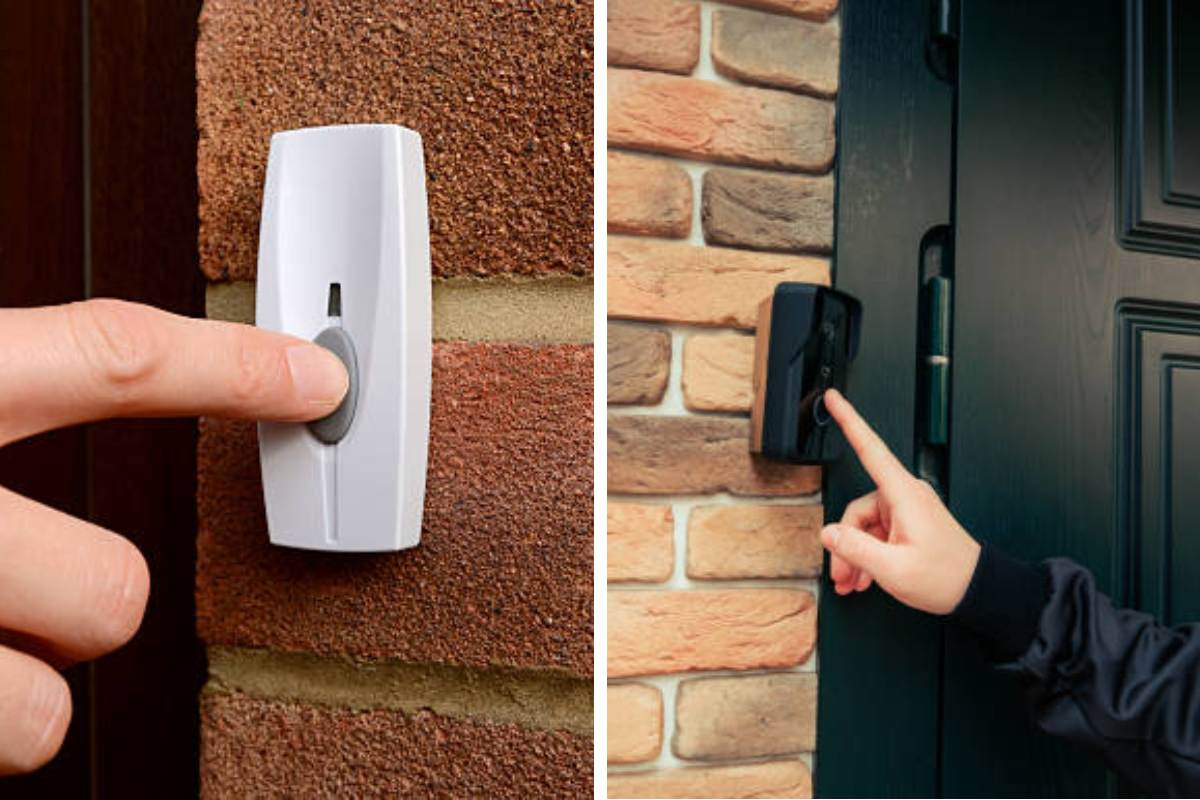
Ding dong ditching—ringing a doorbell and running away—is not explicitly illegal under Massachusetts state law, but it can lead to charges depending on circumstances like repetition, property damage, or homeowner reaction. The act often falls under disorderly conduct or trespassing statutes if it disrupts peace or enters private property without permission.
State Laws on Pranks and Conduct
Massachusetts General Laws Chapter 272, Section 53 defines disorderly conduct as engaging in fighting, tumultuous behavior, or creating unreasonable noise that alarms others, with penalties up to six months in jail and $100 fines for first offenses. A single ding dong ditch rarely qualifies, but repeated rings or late-night disturbances could trigger this, especially if neighbors complain of harassment.
Trespassing under MGL Chapter 266, Section 120 applies if you ignore “no trespassing” signs, a fence, or prior warnings to stay off the property; it’s typically a misdemeanor with fines up to $100. Police often issue warnings first, particularly for juveniles, but escalation happens with patterns or if the prank causes fear, like mimicking a break-in.
Local Ordinances and Enforcement
Many Massachusetts towns add noise or nuisance bylaws; for instance, Boston or Fall River may treat viral TikTok-inspired pranks as public disturbances, as seen in recent police alerts. Enforcement prioritizes victim complaints—homeowners can seek harassment prevention orders (c.258) after three incidents, leading to arrest for violations.
Minors face juvenile court, parental notifications, or community service over jail, but adults risk records affecting jobs or school. If property damage occurs, like trampling gardens, vandalism charges (MGL c.266 §126) bring fines up to $1,500 and restitution.
When It Crosses the Line
Context matters: A prank at 2 a.m. on an elderly resident might be seen as creating public alarm, while daytime fun among friends stays harmless. Weapons, threats, or injury elevate it to assault, with felonies possible. Police body cams and Ring footage often provide evidence, turning “harmless” into prosecutable.
Courts dismiss weak cases but uphold convictions for persistent annoyances, emphasizing community peace over youthful antics. Recent TikTok trends have prompted warnings statewide, signaling stricter scrutiny.
Practical Advice
Skip the prank—it’s rude, risks retaliation like paintball from irate owners, and rarely ends well. If caught, apologize immediately; cooperation often leads to warnings. Parents should discuss consequences, as juvenile records linger. Better thrills exist without legal hassle.
Key Takeaways
Ding dong ditching isn’t a standalone crime in Massachusetts but invites disorderly conduct or trespass charges based on impact. One-off acts draw slaps on the wrist; repetition or damage courts trouble. Respect property and peace to avoid cops at your door.
SOURCES:
- https://www.avvo.com/legal-answers/is-it-allowed-to-ding-dong-ditch–5329846.html
- https://www.guidelinelaw.com/is-ding-dong-ditching-illegal/