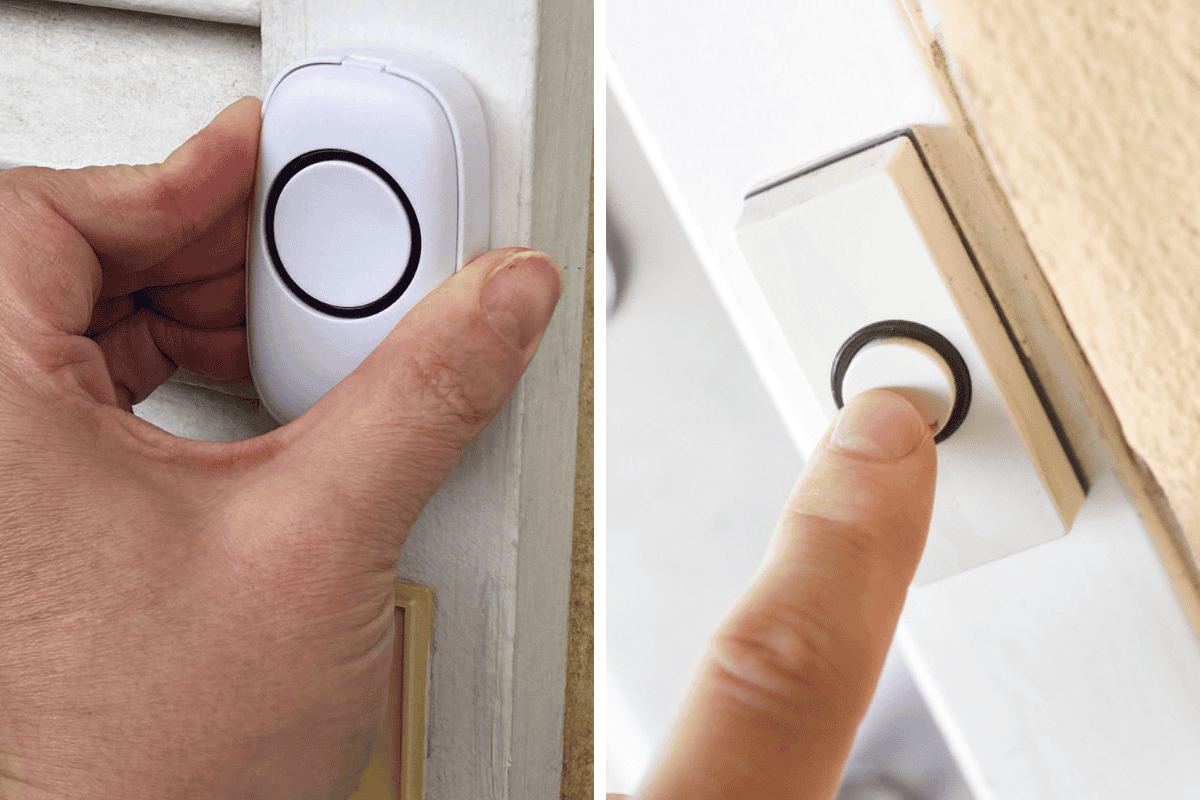
Ding dong ditching—ringing a doorbell and fleeing before answering—is not explicitly illegal as a standalone prank in Oklahoma, but it can trigger misdemeanor charges under trespassing or disturbing the peace statutes. Oklahoma courts treat it as potentially criminal mischief when it alarms residents or repeats, especially on private property without permission.
Trespassing Laws Explained
Under Oklahoma Statutes §21-1835, entering another’s yard or property without permission constitutes criminal trespass, a misdemeanor for first offenses with fines up to $250 and up to 30 days jail.
Posted “No Trespassing” signs aren’t required post-2021; implied consent ends at the doorstep. Running after ringing escalates if homeowners report fear or damage attempts, bumping penalties to $500 fines and six months jail for repeats. Front porches count as curtilage—protected like homes.
Disturbing the Peace Provisions
§21-1362 covers “disturbing the peace” via unreasonable noise or alarm, punishable by up to $100 fine or 30 days jail. Late-night dings or neighborhood sprees qualify, as they disrupt sleep or provoke reactions. Officers often issue warnings first, but persistent pranks lead to citations, especially if video evidence shows groups. Unlike harmless knocks, fleeing signals intent to harass.
Escalation and Stand Your Ground Risks
Oklahoma’s robust “Stand Your Ground” law (§21-652) lets homeowners use force if fearing imminent harm from intruders—even pranksters. Past incidents include teens shot during ditches, turning pranks deadly. Victims can press assault charges if chased, while ditchers face reckless endangerment. Police prioritize complainant safety, arresting repeaters swiftly.
Local Ordinances and Enforcement
Cities like Oklahoma City enforce via municipal codes mirroring state law—no statewide ban, but Tulsa or Norman may add nuisance fines ($50-200). Juveniles get parental notifications or diversion, but adults risk records affecting jobs. 2026 data shows rising complaints amid Ring camera ubiquity, with 15% leading to arrests. Prosecutors drop isolated cases but pursue patterns.
Exceptions and Defenses
Solicitors, delivery personnel, or neighbors with implied access avoid issues. A single daytime ring to a friend rarely charges. Defenses include lack of malice, mistake of property lines, or First Amendment (weak for anonymous flight). Body cams or witnesses help challenge overreach.
Practical Advice to Stay Safe
Skip the prank: Alternatives like apps or games avoid risks. If caught, apologize politely—escalation worsens outcomes. Parents: Monitor teens, as schools suspend for related vandalism. Homeowners: Install lights/cameras; report repeats to build cases.
Why Pranks Turn Legal Nightmares
What starts fun ends in court due to subjective fear—elderly residents or armed owners react strongly. Oklahoma’s property rights culture amplifies enforcement, unlike laxer states. National trends post-YouTube show lawsuits against viral ditchers.
SOURCES:
- https://owossoindependent.com/is-it-illegal-to-ding-dong-ditch-in-oklahoma-heres-what-the-law-says/
- https://vistacriminallaw.com/doorbell-ding-dong-ditching/